
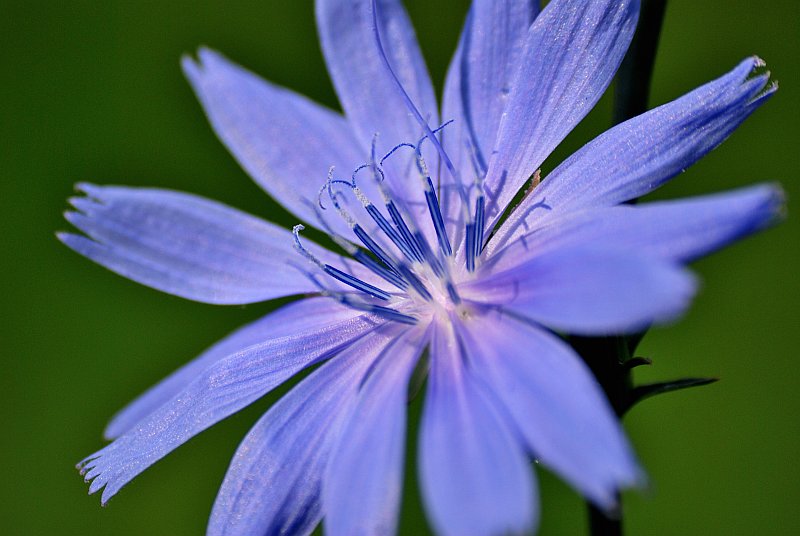
Chicory, known botanically as Cichorium intybus, is a hardy herb known for its radiant blue flowers and deeply lobed leaves. This resilient perennial thrives in fields, meadows and along roadsides all across Europe, Asia and North America. With a history reaching back to ancient civilisations, chicory has been treasured for its culinary and medicinal uses and has earned its place in both traditional and modern herbal medicine.
Chicory and its effects
- Strong support for the immune system
- Antimicrobial effects
- Antiseptic effects
- Antioxidant effects
- Detoxification of the whole body
- Protects the cells with its antioxidants
- Keeps the airways healthy
- Strongly supports digestion
- Supports the flow of bile
- Improves the work of the liver and gallbladder, supports the making of bile
- Has diuretic effects
- Cleanses the kidneys and the urinary tract
- Helps guard against kidney and urinary stones
- Keeps the stomach healthy
- Supports regular emptying of the bowel
- Restores the intestinal microflora
Chicory supports overall health
Chicory is known for its many benefits to health, especially for its qualities that care for digestion and the liver. Chicory roots contain inulin, a kind of soluble fibre that supports healthy digestion and encourages the growth of beneficial gut bacteria. Chicory is also rich in antioxidants, vitamins and minerals, which makes it a precious ally in supporting overall health.
Chicory tincture
Chicory can be enjoyed in several ways. A chicory tincture, for example, is a lovely and effective one. You can add a few drops of chicory tincture to a liquid such as water or tea. Such a tincture holds a concentrated form of the beneficial compounds of chicory, to support the health of your digestion, gentle detoxification and overall vitality. With this tincture you can care for your health simply and effectively. And a little bottle of tincture is wonderfully practical, you can easily take it with you wherever your path may lead.