
Natural beauty supported by natural ingredients has moved beyond trends and is becoming the standard more and more. Many people prefer local, handmade, natural cosmetics over ordinary mass-produced commercial products, because they are gentler to the skin and to the planet. And as shoppers pay ever more attention to what happens on their skin, they are starting to focus much more on specific natural ingredients that are not only safe but also effective. Whether you are only beginning with natural cosmetics or have loved them for a long while, it is good to know which natural substances are currently leading the way in cosmetic innovation. In this article we look at 8 of the most promising natural cosmetic ingredients that are making the headlines and appearing in the formulations of a new generation. We explore where they come from, what they do and how they fit into an intelligent 21st-century skincare routine. One last note: the order is random.
1. Bakuchiol – the natural alternative to retinol
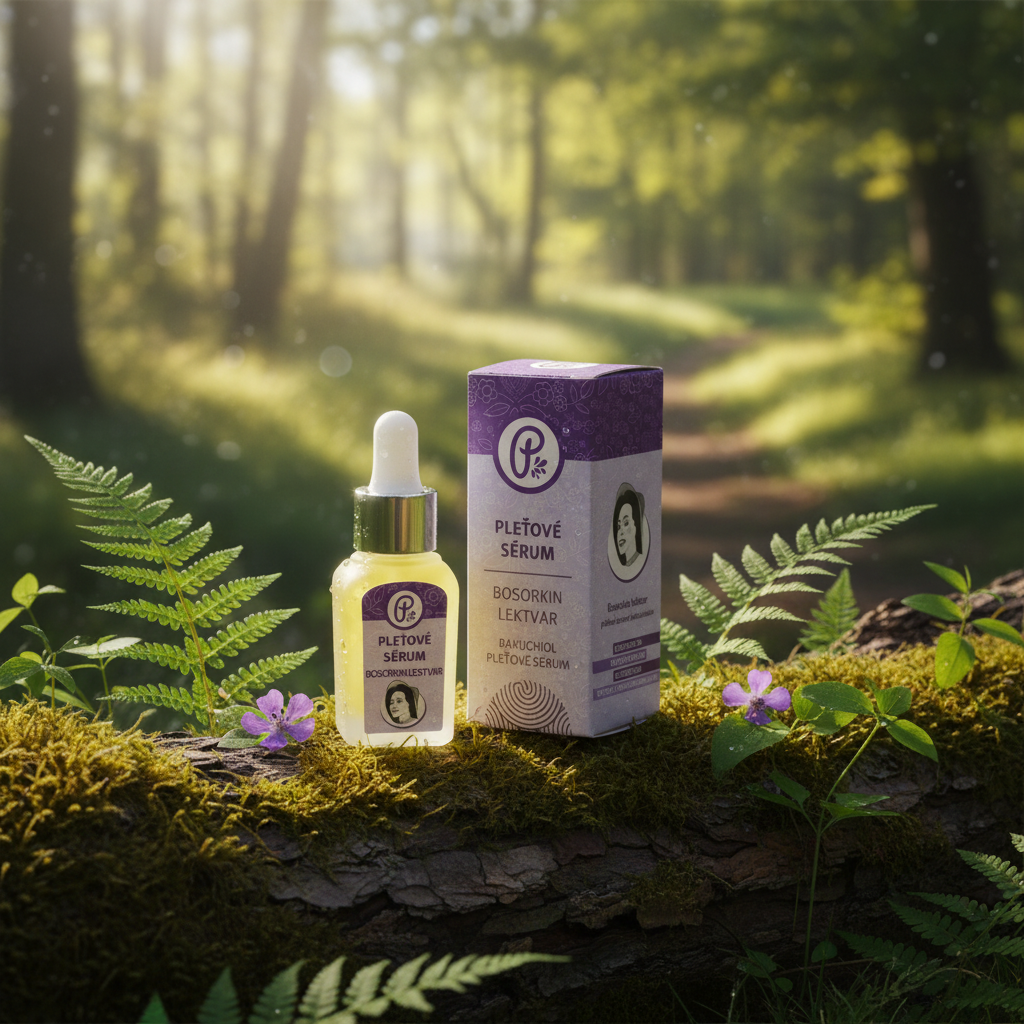
One of the most sought-after ingredients in natural cosmetics today is bakuchiol. Derived from the seeds of the plant Psoralea corylifolia, bakuchiol has drawn attention as a plant-based alternative to retinol. It offers similar anti-ageing and brightening effects, but without the irritation that often comes with synthetic vitamin A derivatives. Bakuchiol supports collagen formation, helps to refine skin texture and is well tolerated even by sensitive skin. Bakuchiol appears as an ingredient in many cosmetic products, such as this facial serum.
2. Squalane – light natural hydration
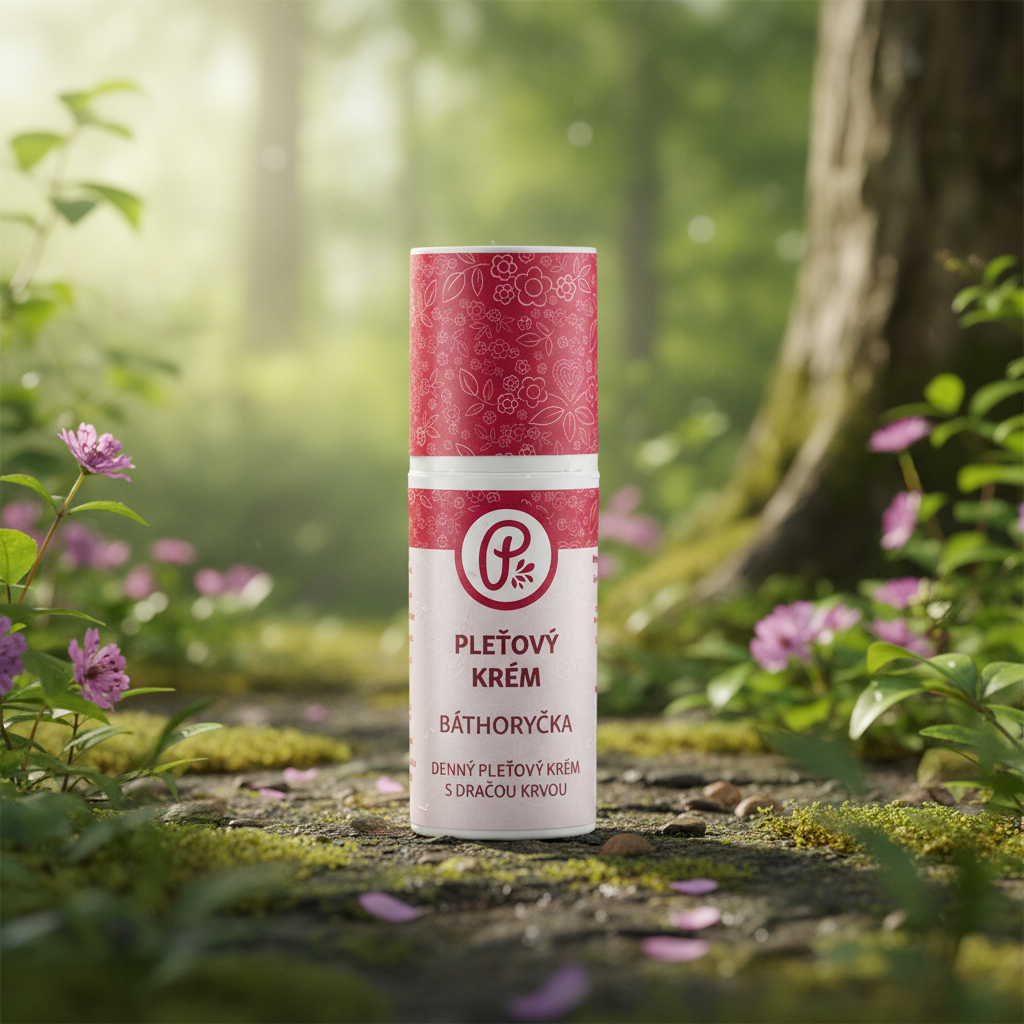
Squalane is a hydrogenated form of squalene and is usually obtained from olives or sugar cane. It mimics the skin's own sebum, which makes it ideal for restoring hydration without blocking the pores. Unlike heavier oils, squalane is light, non-greasy and absorbs quickly, which makes it suitable for all skin types including oily and acne-prone skin. Squalane is often used as an ingredient in various facial products, but thanks to its wonderful qualities it can also be used on its own.
3. Centella asiatica – an ancient herb
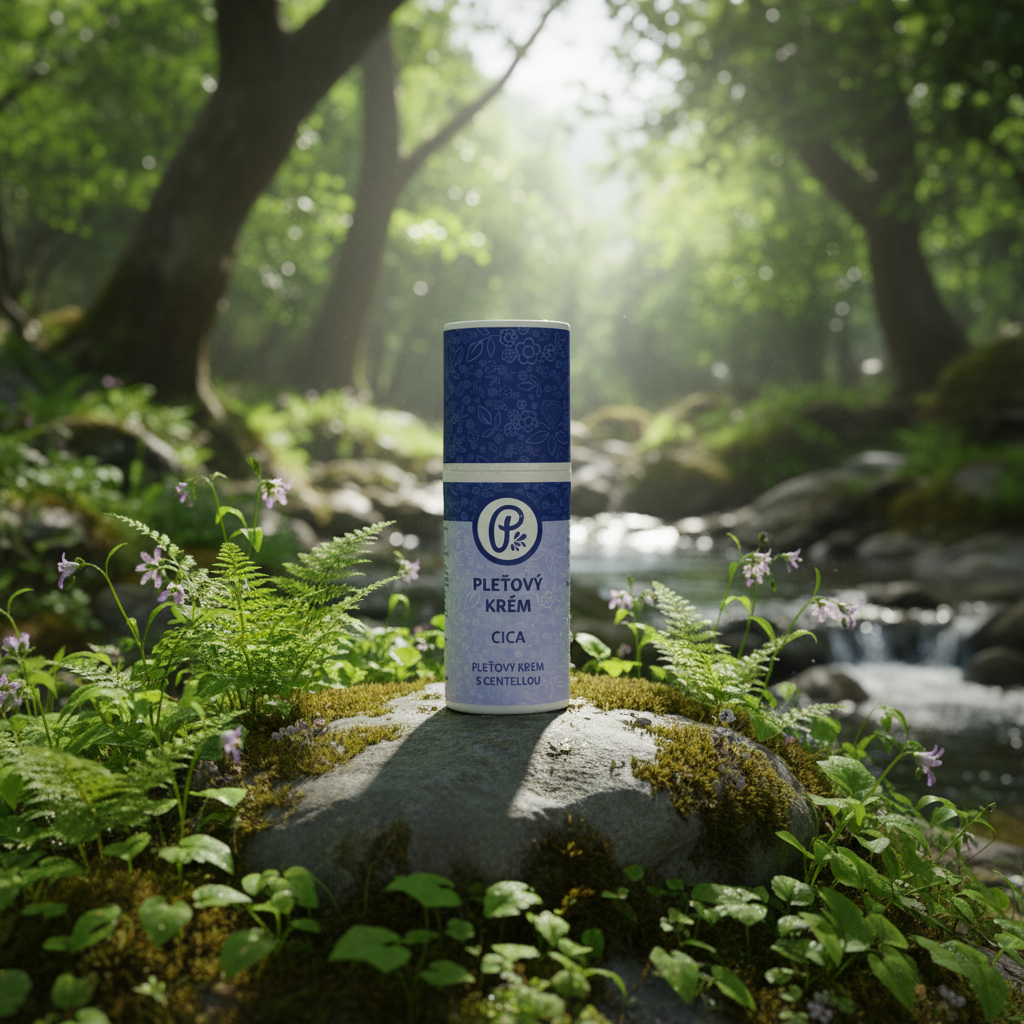
Centella asiatica, also known as gotu kola, has its roots in traditional Ayurvedic and Chinese medicine. It is rich in triterpenoids and is known for soothing the skin and supporting its visible renewal. In modern formulations it is used in facial serums, masks and creams intended to calm stressed or sensitive skin. As the name itself suggests, it is not so well known in our part of the world, yet its potential should not be overlooked.
4. Niacinamide – the all-rounder
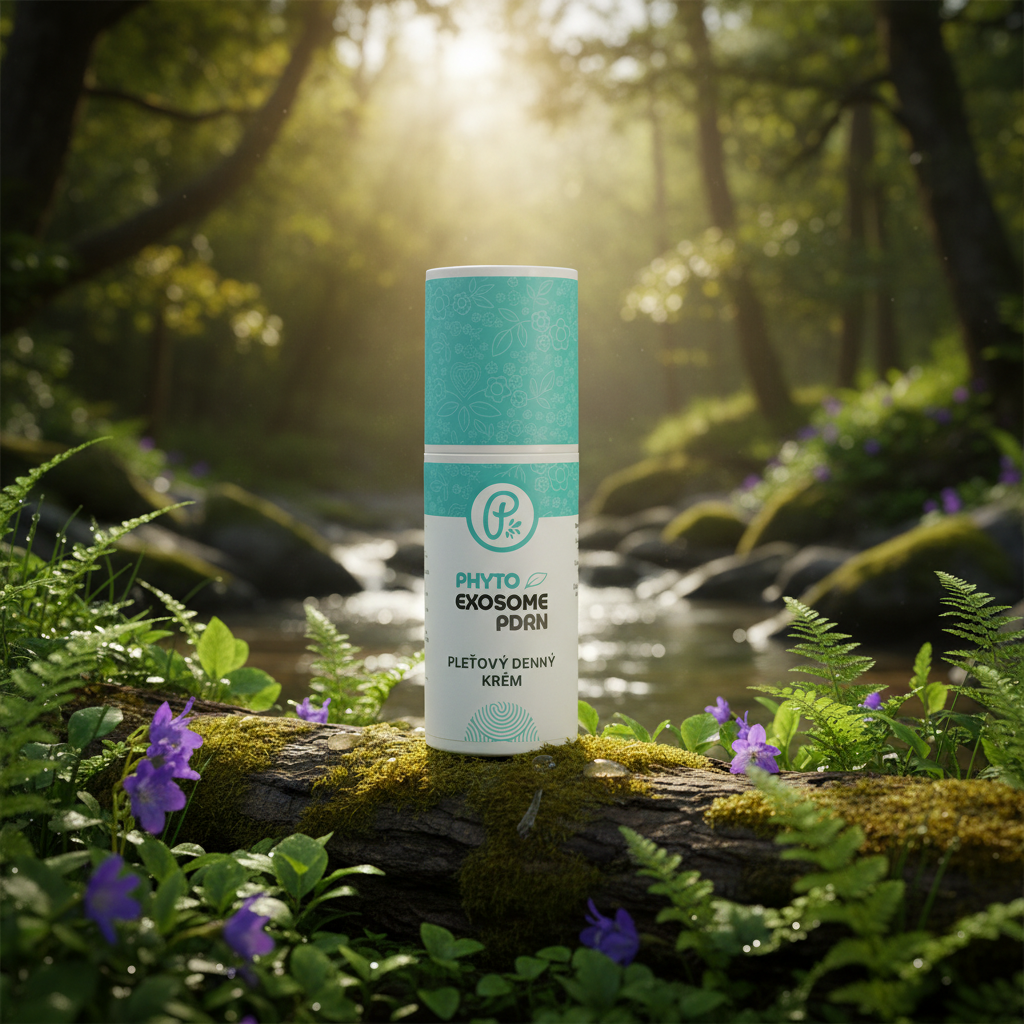
Niacinamide is technically a form of vitamin B3 found in both conventional and natural formulations. It is loved for its versatility – a visible improvement in skin tone, minimised pores and balanced sebum production. Combined with various plant extracts, it becomes a central ingredient in natural brightening products. You will find it, for example, in this day cream.
5. Liquorice root extract
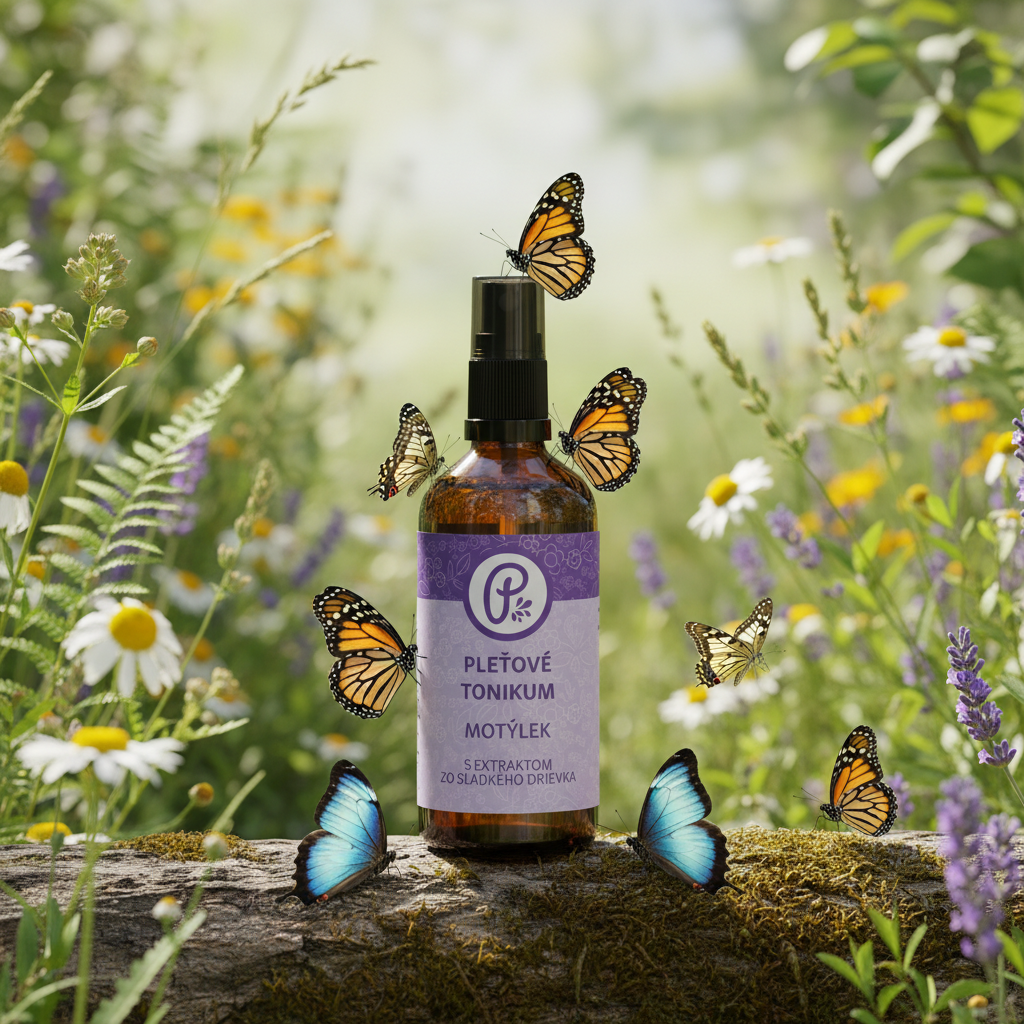
Liquorice root extract (Glycyrrhiza glabra) is often used in natural targeted treatments and brightening serums. It is rich in glabridin, a compound associated with helping to even out an uneven skin tone. It is gentle and combines well with vitamin C, chamomile and rose water in blends that bring out radiance.
6. Rosehip oil – rich in vitamins
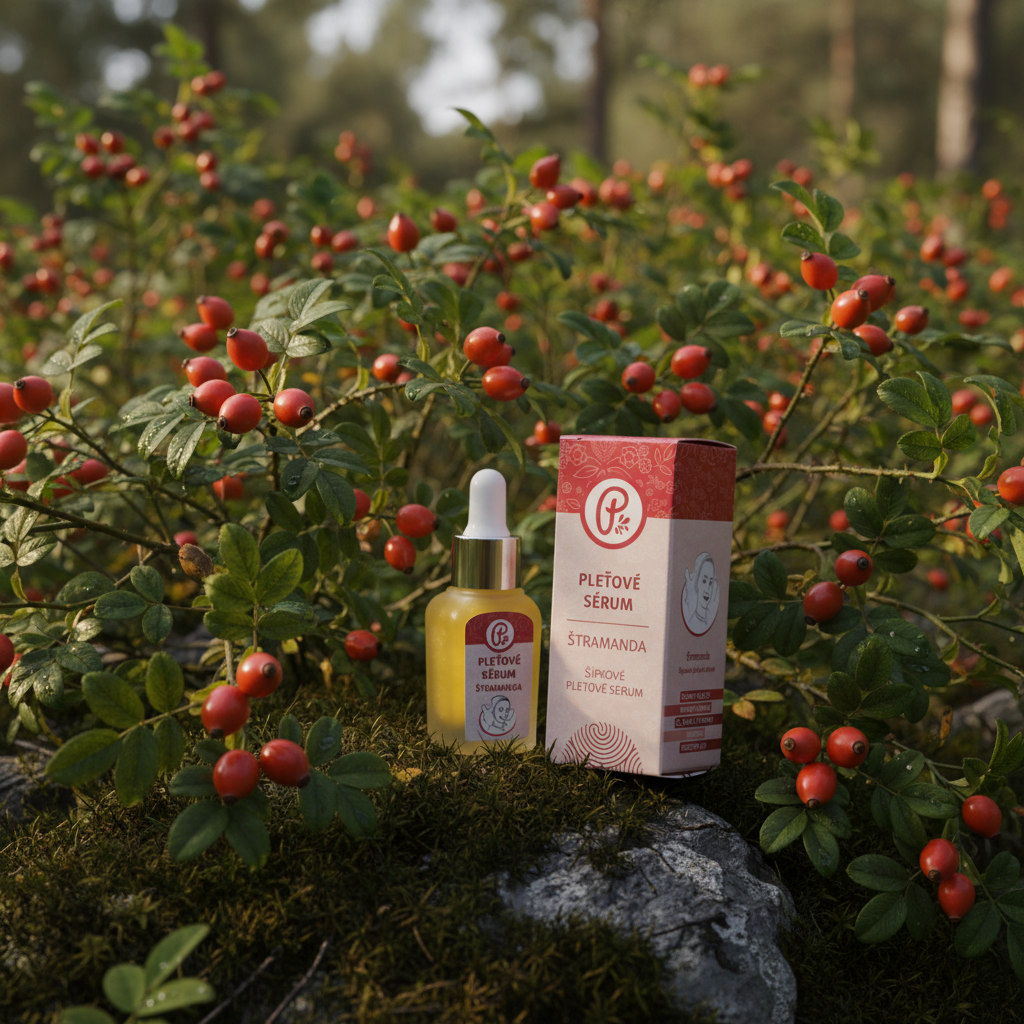
Rosehip oil (Rosa canina or Rosa moschata) remains a star of restoring skincare. It has a high content of natural vitamin A, essential fatty acids and antioxidants. In natural cosmetics it is often used in facial oils and facial serums that support hydration and long-term nourishment. Rosehip oil is the main ingredient of our ŠTRAMANDA cosmetic line.
7. Propolis – from the bees to beauty
Propolis is a resinous substance that bees collect from plant sources. It is full of antioxidants and flavonoids and has been used in folk traditions for centuries. In cosmetics it is used in soothing creams and serums intended to strengthen the skin barrier and calm the skin. Among other things, it is also added to shower gels and food supplements such as tinctures.
8. Tremella mushroom – plant-based hyaluronic acid
Tremella fuciformis is often called the snow mushroom and is considered a plant-based alternative to hyaluronic acid. This mushroom can hold up to 500 times its weight in water and has a smaller molecular weight, which makes it easier to absorb. It is an excellent source of hydration and is especially loved in gel serums and masks.
Frequently asked questions about trending natural cosmetic ingredients
How do I know whether an ingredient is truly natural?
Look at the INCI list, which gives the international names of the individual ingredients. Authentic natural ingredients are often listed with their Latin botanical names, such as Calendula officinalis extract (which is in fact extract of marigold) or Argania spinosa kernel oil (which in turn is oil from the kernels of the argan tree). Transparency from producers is key – if they offer details about composition or sustainability, that is a good sign.
Are natural ingredients always gentler?
Not necessarily. Some botanical extracts can be strong or irritating when overused. Citrus oils or cinnamon bark, for example, are natural, but they can bring on sensitivity. Always do a patch test on a small area of skin and use natural actives in the recommended concentrations.
Can natural ingredients be as effective as synthetic ones?
Yes, and many of them are. Bakuchiol, rosehip oil and squalane are just a few examples of natural ingredients that work comparably to their synthetic counterparts. The key is the composition of the particular product. A well-designed natural product can bring visible results without harsh chemicals.
Interesting facts about natural cosmetic ingredients
- Bakuchiol was used in Ayurvedic rituals long before its cosmetic fame.
- Rosehip oil was studied in Chile in the 1980s for its effects on scars and skin texture.
- Squalane was once obtained from shark liver oil – modern versions are now 100 % plant-based.
- Liquorice root has been used in traditional medicine for more than 4,000 years.
- Tremella mushrooms are an essential part of East Asian wellness tonics for beauty from within.
- Propolis has been found in ancient Egyptian tombs – it was preserved thanks to its natural antimicrobial qualities.