
Psoriasis is more than just an ordinary skin condition. It is a chronic, immune-mediated condition that can affect not only the skin, but also the joints and emotional wellbeing. According to the World Health Organization (WHO) it affects roughly 2 – 3 % of the world's population, with varying degrees of severity. Despite how widespread it is, many people still feel isolated or misunderstood. In this article we take a closer look at the background of psoriasis, what sets it off, the different types of psoriasis, the treatment options and whether and how natural cosmetics can help.
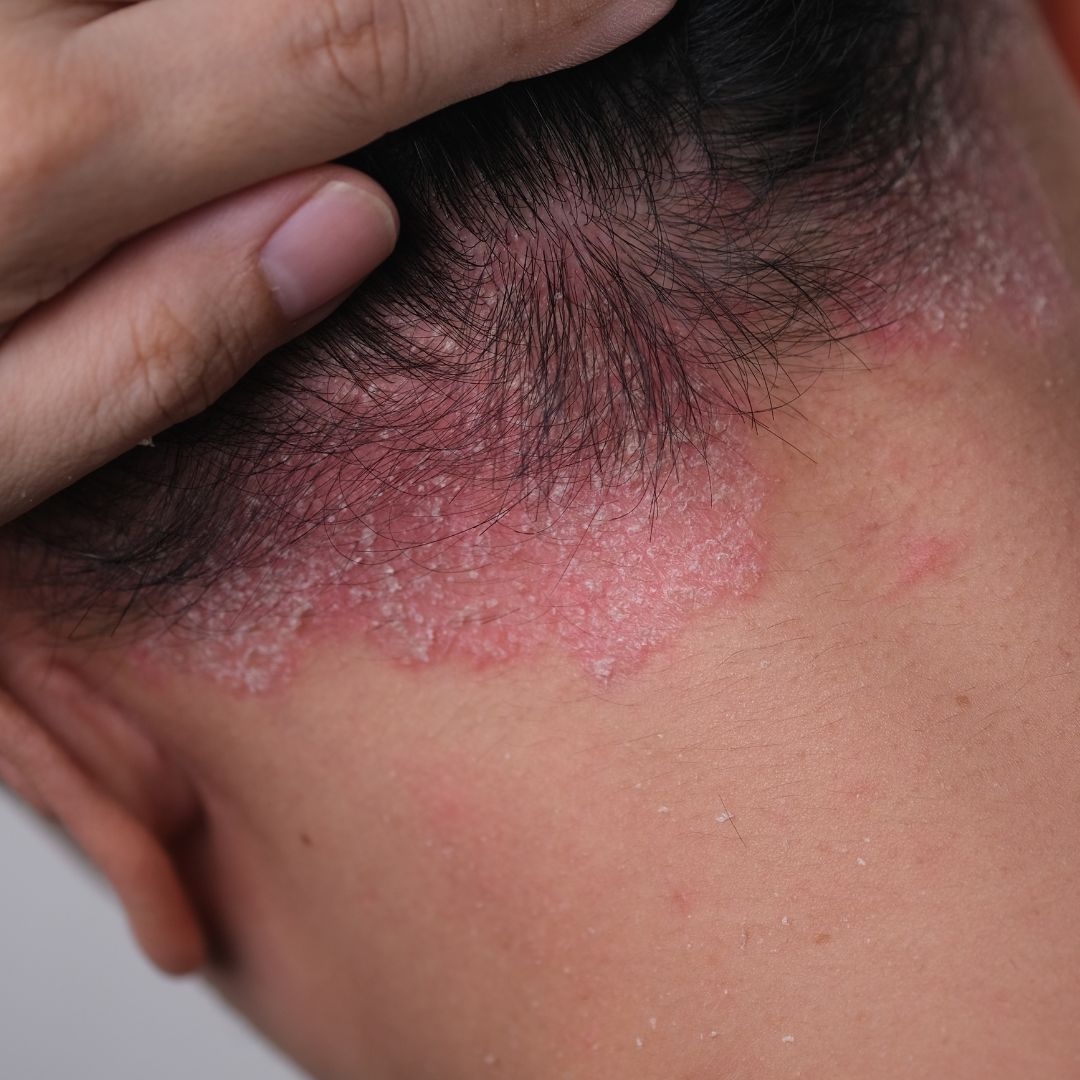
What is psoriasis?
Psoriasis is an autoimmune condition that causes the skin to renew itself faster than usual. This rapid renewal leads to thickened patches on the skin – often red, scaly, itchy and inflamed. It appears most often on the elbows, knees, scalp and lower back, but it can affect any part of the body. It is important to realise that psoriasis is not contagious. You cannot catch it from someone else and it does not reflect poor hygiene. It is a systemic matter involving both genetics and dysregulation of the immune system.
Common signs of psoriasis
Psoriasis shows itself through many symptoms. These include, for example:
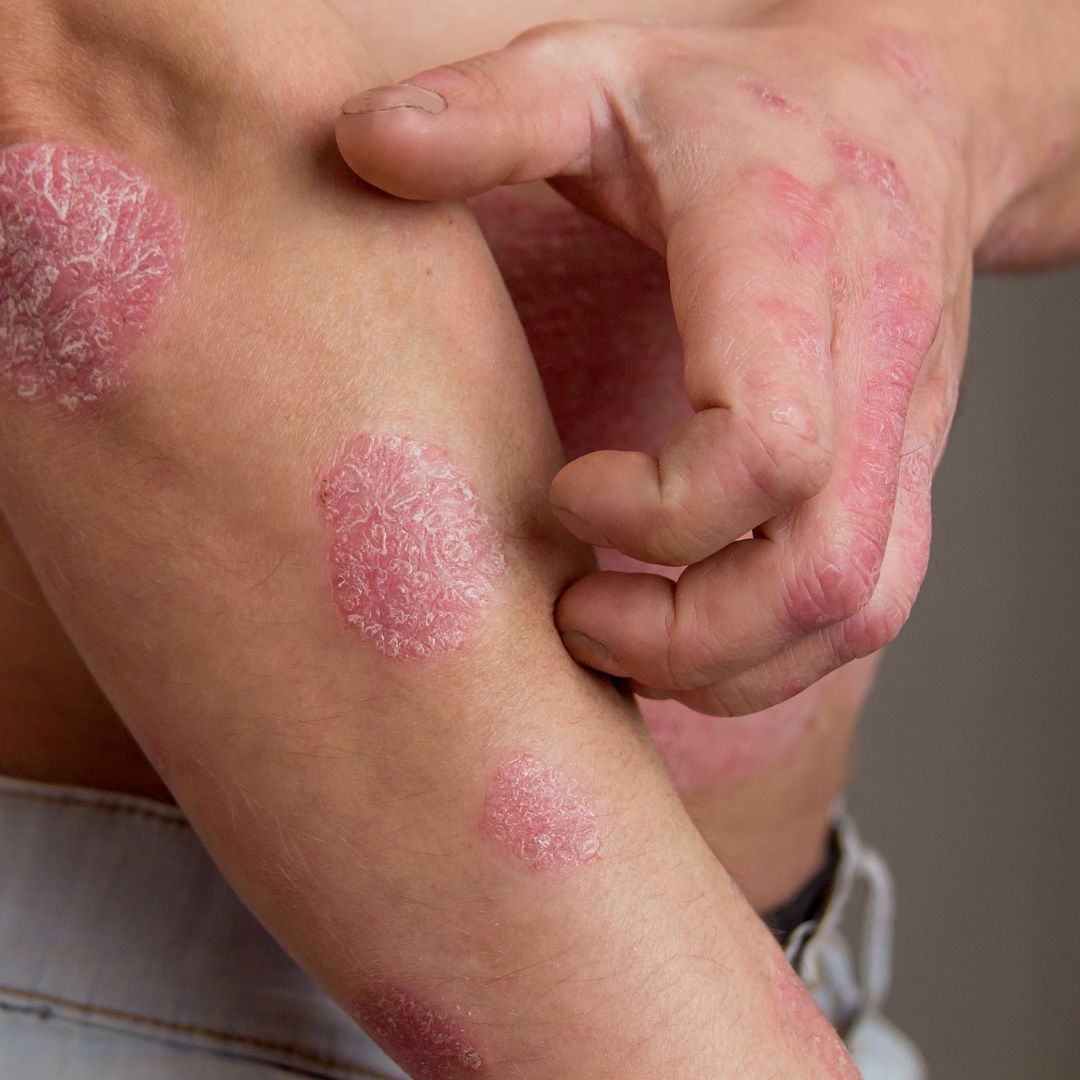
- Dry, red patches of skin covered with white scales
- Itching, burning or pain in the affected areas
- Cracked skin that may bleed
- Thickened, pitted or ridged nails
- Stiffness or pain in the joints (in cases of psoriatic arthritis)
Types of psoriasis
Not every psoriasis looks the same. Understanding the type can help when choosing treatment options:
- Plaque psoriasis (Psoriasis vulgaris) - The most common form, characterised by raised, inflamed patches covered with white scales.
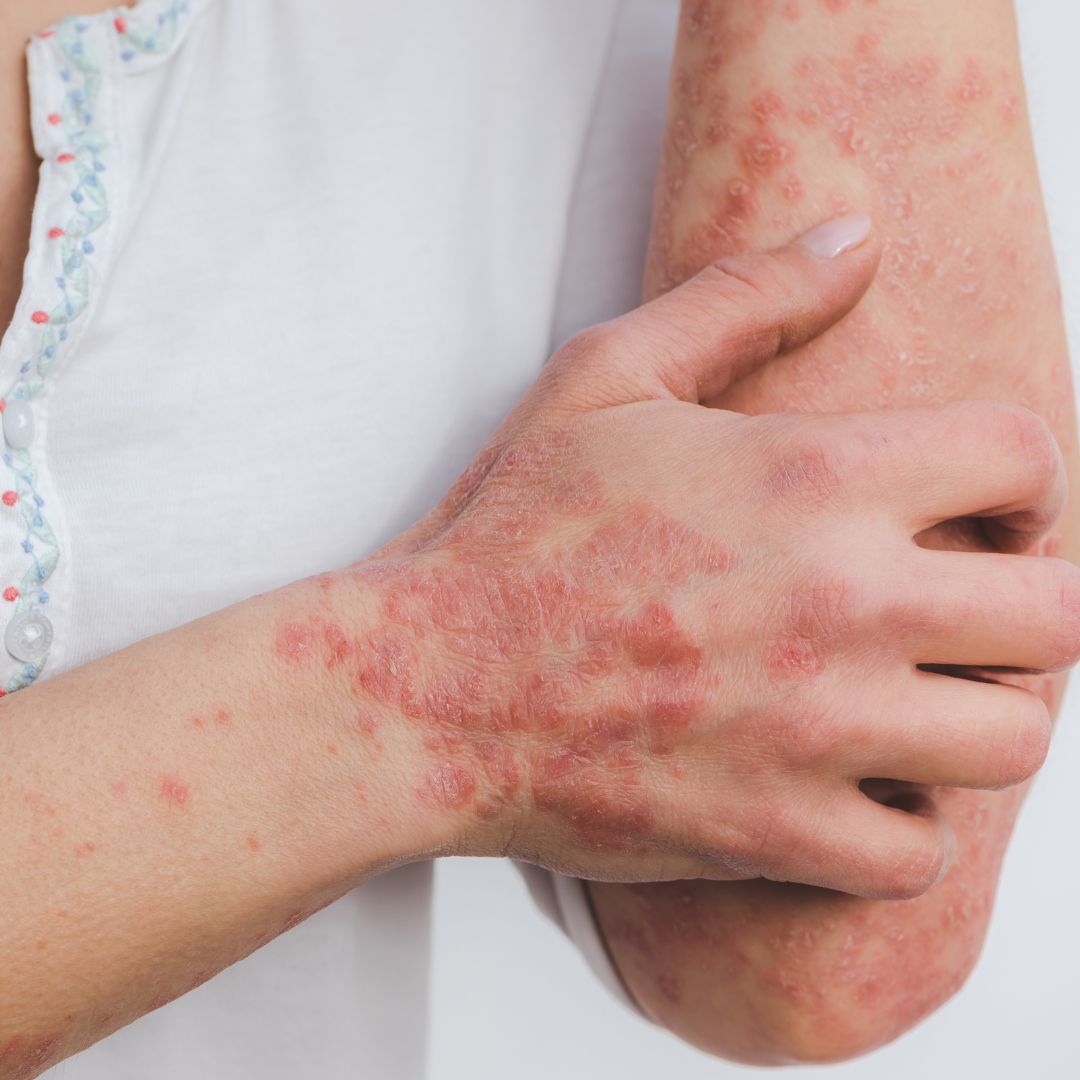
- Guttate psoriasis - Small, red droplet-shaped patches on the skin, often brought on by bacterial infections such as strep throat.
- Inverse psoriasis - Red, shiny lesions in the skin folds – such as the armpits, groin or under the breasts – often made worse by friction and sweat.
- Pustular psoriasis - Characterised by white pustules (non-infectious) surrounded by red skin. It can be localised or widespread.
- Erythrodermic psoriasis - A rare, severe form that covers the body in a red, peeling rash. It requires immediate medical attention.
What causes psoriasis?
There is no single cause. Psoriasis arises when the immune system mistakenly attacks healthy skin cells, speeding up the renewal of the skin. Genetics play a very significant role, but environmental and lifestyle triggers can influence flare-ups. The following factors are associated with psoriasis:
- Stress and anxiety
- Cold, dry weather
- Infections (e.g. strep throat)
- Certain medicines (beta-blockers, lithium)
- Injury or trauma to the skin (the Koebner phenomenon)
- Alcohol and smoking
Treatment options for psoriasis
The treatment of psoriasis is very individual. There is no universal solution, but various treatment approaches can help to ease the symptoms and lengthen periods of remission.
1. Topical treatment
These include corticosteroids, vitamin D analogues, coal tar and moisturising creams. In mild cases they are usually the first line of treatment.
2. Phototherapy
Controlled exposure to natural or artificial UV light can slow down the growth of skin cells. It is often used under medical supervision.
3. Systemic medicines
For moderate to severe psoriasis, systemic medicines (oral or injected) may be prescribed. These include biologics, which target specific parts of the immune system.
4. Lifestyle and natural support
Many people find relief through reducing stress, mindful eating, gentle skincare and certain natural topical products. Ingredients such as marigold, chamomile, shea butter or colloidal oats are said to bring relief to irritated skin. Before trying new routines, though, it is important to do a test on a small area of skin (a patch test) and to speak with a specialist – especially where the skin is inflamed.
Natural cosmetics for skin prone to psoriasis
While psoriasis calls for a comprehensive, often medically guided approach, many people with sensitive or reactive skin look for gentle balms and creams that give them everyday comfort. These products usually avoid synthetic fragrances, alcohols and harsh preservatives. Instead they contain plant ingredients known for their gentleness and kindness to the skin. Popular choices include:
1. Shea butter
Shea butter, rich in fatty acids and naturally soothing, is widely used in balms for dry, flaky skin. It creates a protective layer without blocking the pores and helps to keep moisture in – especially on the elbows, knees and hands.
2. Marigold extract
Marigold and the extract obtained from the flowers of this herb are a cornerstone of traditional herbal care. Its use in creams and oils aims to support the skin's natural renewal cycle, especially in areas touched by dryness or irritation.
3. Chamomile
Chamomile extract is known for its calming scent and its gentle effect on stressed skin. It is often added to topical products to support comfort and reduce the urge to scratch or rub sensitive areas.
4. Colloidal oats
Finely milled oats have been used in baths and skin creams for centuries. Colloidal oats create a gentle barrier on the surface of the skin that helps to keep hydration in and leaves a soft, non-greasy finish.
5. Evening primrose oil
A light oil rich in omega acids, sometimes added to body oils or ointments for its softening texture and long-lasting hydration. It is especially suited to gentle skincare.
6. Zinc oxide (non-nano)
Although non-nano zinc oxide is better known in sun creams, it is also used in balms to soothe areas prone to redness. It sits on the skin and creates a breathable barrier without penetrating too deeply.
Frequently asked questions about psoriasis
Is psoriasis the same as eczema?
No. Although both cause inflammation and itching, they differ in origin, appearance and treatment. Psoriasis is autoimmune in nature, while eczema often involves an allergic reaction and a disturbance of the skin barrier.
Can diet influence psoriasis?
There is no such thing as a “psoriasis diet”, but some people find their condition improves when they reduce their intake of alcohol, processed foods or gluten. Anti-inflammatory foods such as leafy greens, fish and berries can support overall wellbeing.
Can psoriasis disappear completely?
At present there is no known cure, but with the right approach the symptoms can go into remission for months or even years. The key is consistent treatment and minimising known triggers.
Interesting facts about psoriasis
- Psoriasis has been documented since ancient times – Greek physicians described it more than 2,000 years ago.
- It occurs more often in cooler climates and less often close to the equator.
- Stress is one of the most frequently reported triggers of flare-ups.
- Around 30 % of people with psoriasis may develop psoriatic arthritis.
- Psoriasis is associated with a higher risk of depression, which is why emotional support is just as important as physical treatment.
- The National Psoriasis Foundation declares August to be Psoriasis Awareness Month, to encourage understanding and research.