
The right hand cream for dry hands makes all the difference when the temperature drops below zero and your hands start to feel tight, rough and cracked at the knuckles. Dry, flaky skin on your hands is not only a matter of looks; it is a sign that the skin needs more nourishment and a gentler routine. Why do ordinary hand lotions fall short in frosty weather, and what does very dry skin really ask for? Read on to learn how to recognise winter dryness on your hands and why a solid hand cream with coenzyme Q10 can become your favourite winter ritual.
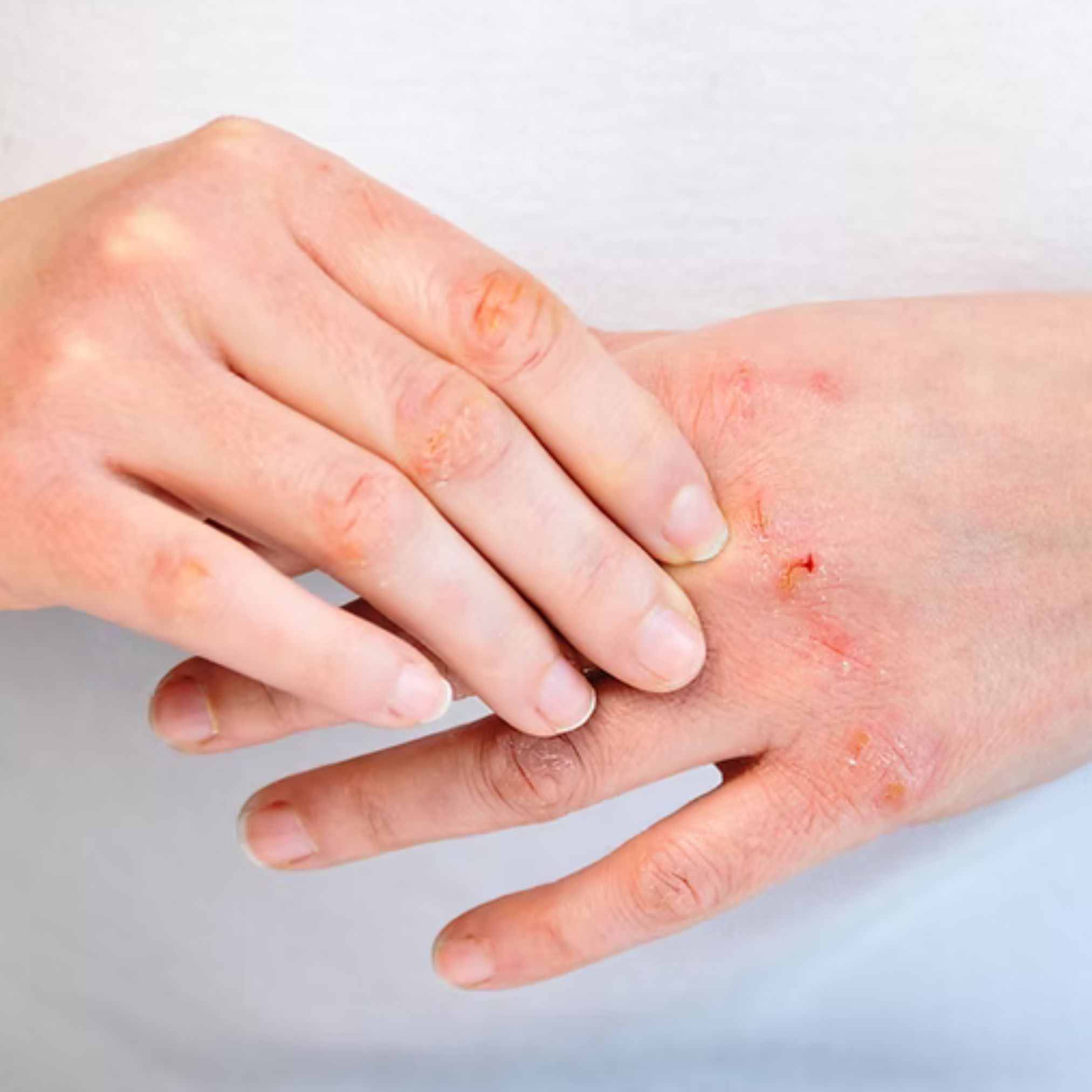
Why does winter dry out the skin on your hands?
Perhaps you wonder why your hands look so much older in December than in August. The answer lies in the skin itself. The skin on the backs of your hands is among the thinnest on the whole body and has very few oil glands. Unlike your face, which makes enough sebum of its own, your hands have little protection in harsh weather.
When the frost comes, several things happen at once:
- Less natural oil: In the cold, the body keeps warmth close to the important organs and the skin on your hands slows down. It makes less of the natural fats that hold the skin cells together.
- Dry air indoors and out: Moving from the frost into a heated office works like a sponge. Cold air holds little moisture and heated indoor air even less, so water evaporates from your skin into the surroundings.
- Fine cracks appear: When the skin loses its suppleness, it becomes fragile. Closing your hand into a fist or carrying a heavy shopping bag is enough, and a tiny crack appears on a knuckle. The sooner you give it a nourishing layer, the more comfortable your hands will feel.
How dry are your hands?
Many of our customers tell us that their hands not only feel tight but also itch and sting. It helps to know how dry your hands are, so you can choose how rich your care should be.
- Dry hands: roughness, a constant feeling of tightness and fine white flakes when you rub your hands together.
- Very dry hands: the skin looks like a fine network of lines and stays rough even after a cream.
- Cracked hands: small cracks on the knuckles and around the fingertips that open with every movement. If the cracks are deep, bleed or do not close, it is worth asking a doctor or pharmacist.
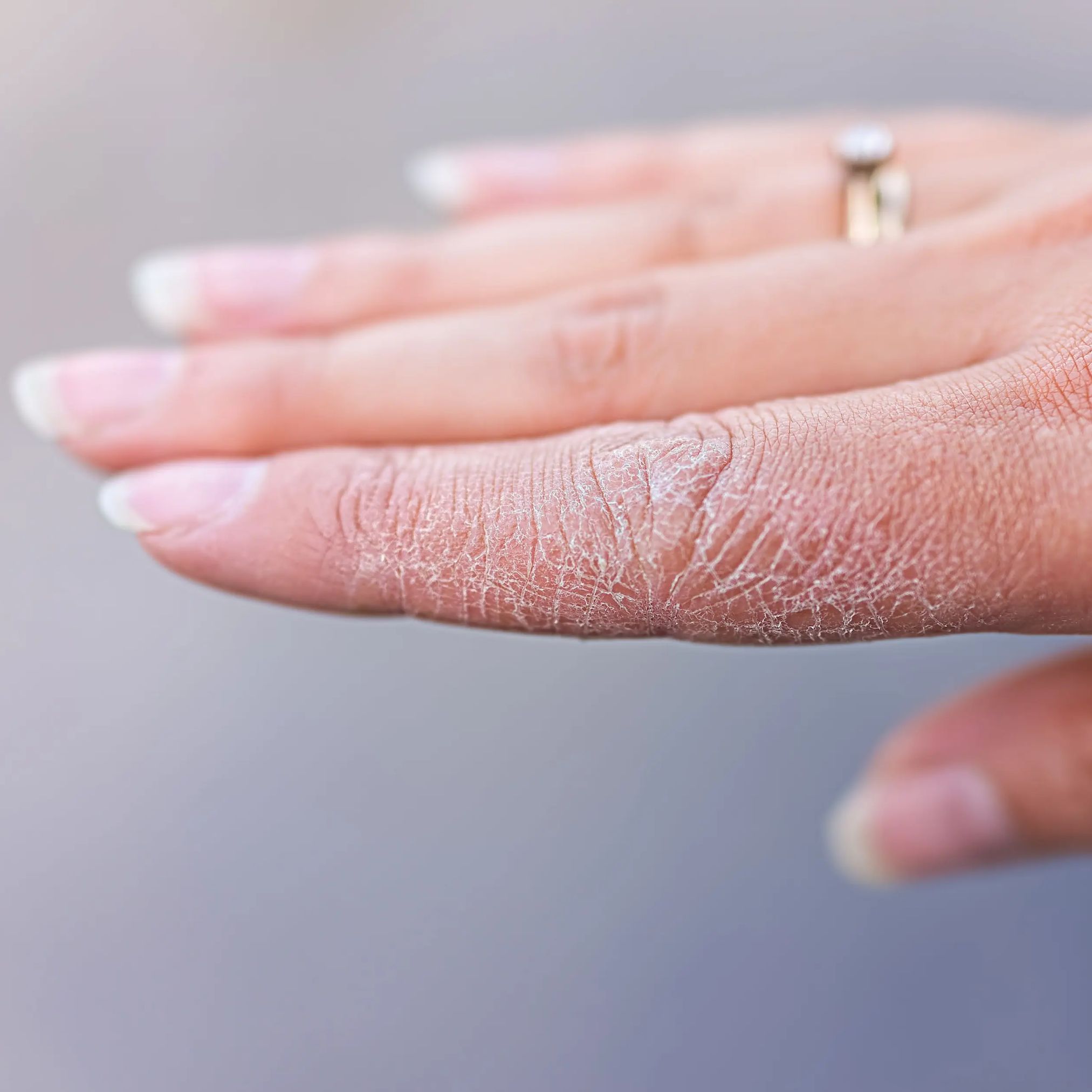
It all began with one of our customers whose hands had been very dry for a long time and everyday tasks were no fun for him. His story inspired us to make a hand cream that is richer than an ordinary cream in a tube.
How to choose a hand cream for dry hands
Many everyday hand creams are built mostly on water, often with mineral oil or paraffin. They feel pleasant at first, but in the frost they may not be enough for very dry hands.
Why water alone is not enough in winter
Water in a cream evaporates from the surface of the skin, and on very dry hands a light lotion can leave them feeling tight again soon after. So before you go out into the cold, choose a richer cream with plenty of butters and oils and let it absorb for a few minutes.
What to look for on the label
Plant butters such as shea and cocoa butter, plant oils, beeswax and vitamin E help the skin hold on to moisture and leave a soft, protective layer. A cream should feel nourishing, not only slippery.
Solid hand cream with Q10
At Panakeia we decided to try a different way and made a water-free hand cream in which every ingredient has its role. The solid regenerating hand cream with coenzyme Q10 contains no water, only plant butters and oils.
1. Coenzyme Q10
Q10 is an antioxidant that the skin knows well. In hand care it helps protect the skin from everyday stress and helps very dry hands look smoother and more cared for.
2. Plant butters and oils
Depending on the variant, we combine shea and cocoa butter, coconut oil, beeswax and cold-pressed hemp oil. Their fatty acids are close to those of the skin itself, so the cream absorbs and helps strengthen the skin's protective barrier.
3. Vitamin E
Vitamin E is an antioxidant that helps protect dry skin from the environment and leaves it soft.
Two scents, one aim: herbal or fresh?
Scent is part of the comfort of any ritual. That is why we have made two variants with the same caring base and a different mood.
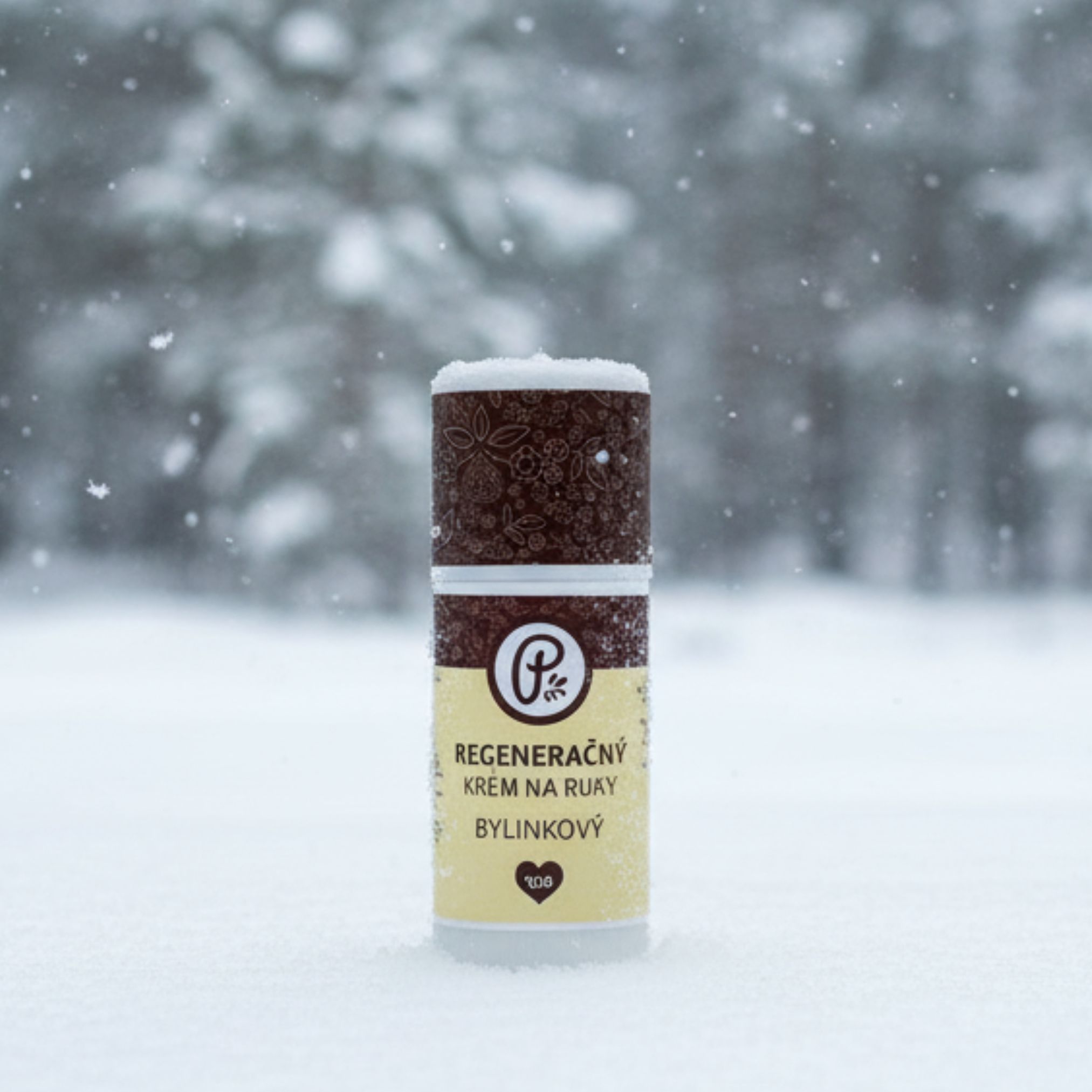
Herbal solid hand cream with Q10
Our favourite for the evening and for hands that need the most care. Narrow-leaved lavender and common sage give it a calm, herbal scent. It is the ideal choice when your hands are very dry and rough.
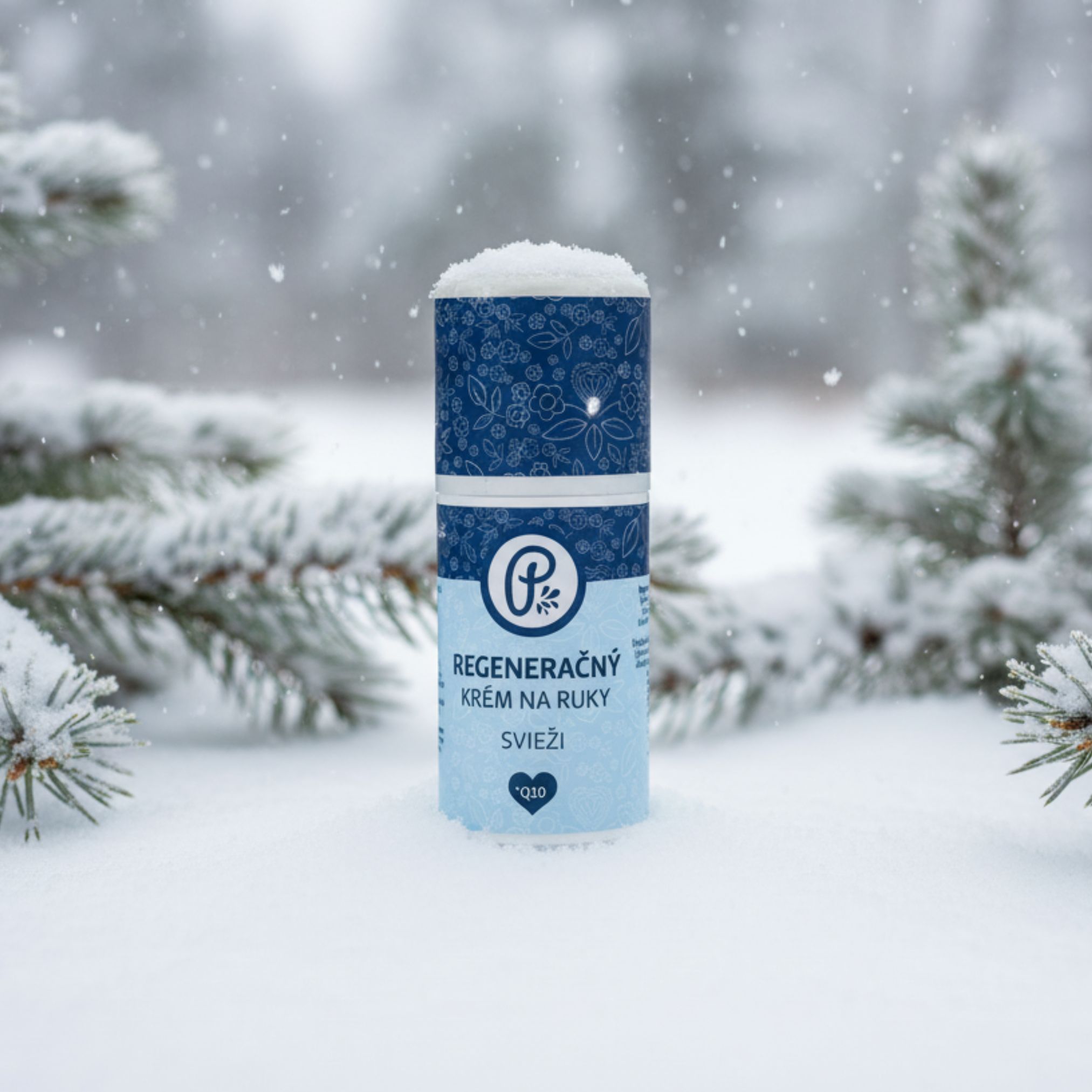
Fresh solid hand cream with Q10
Made for the daytime. It absorbs quickly and leaves your hands silky soft, with a fresh citrusy scent of Litsea cubeba that lifts your mood.
A gentle routine for dry, cracked hands
If your hands are so dry that you dread even washing the dishes, try this simple routine. Many customers have made it part of their winter evenings.
The first days: plenty of nourishment
Smooth the solid cream onto your hands after every contact with water, and apply it to slightly damp skin. Because the cream contains no water, it locks in the moisture your skin took in while washing.
The following days: keep going
Once your hands feel more comfortable, keep applying the cream often. The surface looks better quickly, but the skin needs regular care to stay soft. Try a night wrap: before bed, apply a thicker layer of the solid cream, slip on thin cotton gloves and let the butters work overnight. In the morning your hands will feel soft and cared for.
How to keep your hands soft right through to spring
Once your hands feel soft again, keep them that way. Care all year round is easier than catching up in January. Two simple tips:
Gloves are your best friend
Wear them whenever it is below about 5 °C. Wind dries the skin just as much as frost. Wash your hands in lukewarm water rather than hot, because hot water strips the skin of its natural oils.
Humid air in the bedroom
If you sleep in a room with dry air, your hands dry out at night too. A humidifier, or even a damp towel on the radiator, makes the air kinder to your skin.
Frequently asked questions
Give your hands a moment of calm
Dry, cracked hands do not have to be part of every winter. Often they come from the wrong care and the harsh environment your hands meet every day. At Panakeia we believe in honest, concentrated formulas made from plant butters and oils. Whether you choose the herbal solid cream with lavender and sage or its fresh sister, give your hands a few slow seconds after every wash and let them be soft and comfortable again.