
Labels and descriptions of cosmetic products are full of foreign, clinical or scientific-sounding words that can baffle even seasoned lovers of natural cosmetics. If you have ever paused over the word tretinoin, or wondered whether frangipani is a flower or a kind of panini, you are not alone. In this article we will decode together a few common yet confusing terms you may come across in the world of cosmetic products. We will also explain how (and whether) they fit into natural cosmetics.
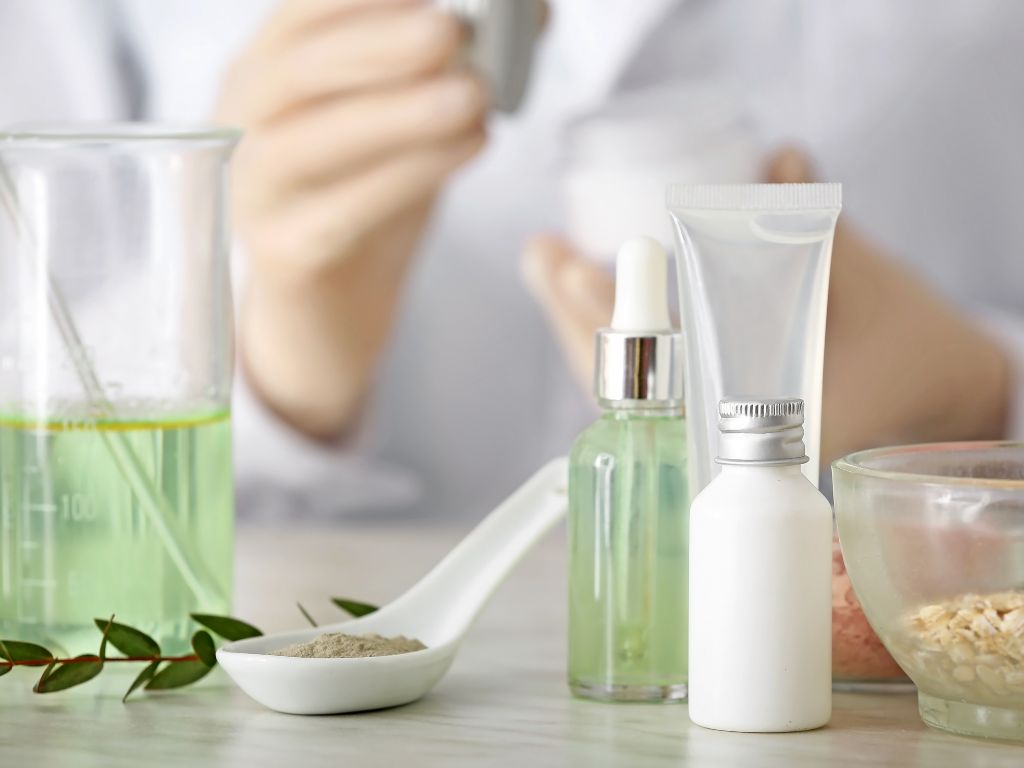
Frangipani – an exotic flower with a beautiful scent
Frangipani often appears on labels as Plumeria alba or Plumeria rubra. It is a tropical flower known for its rich, sweet fragrance. Although its name sounds confusing and may at first glance look like an Italian dish, the opposite is true. It is often used in natural perfumes and body oils. Even though the name sounds synthetic, frangipani is purely natural – an essential oil obtained from the flower. In traditional skincare it is chosen more for its aromatic and sensory qualities than for any active effect.

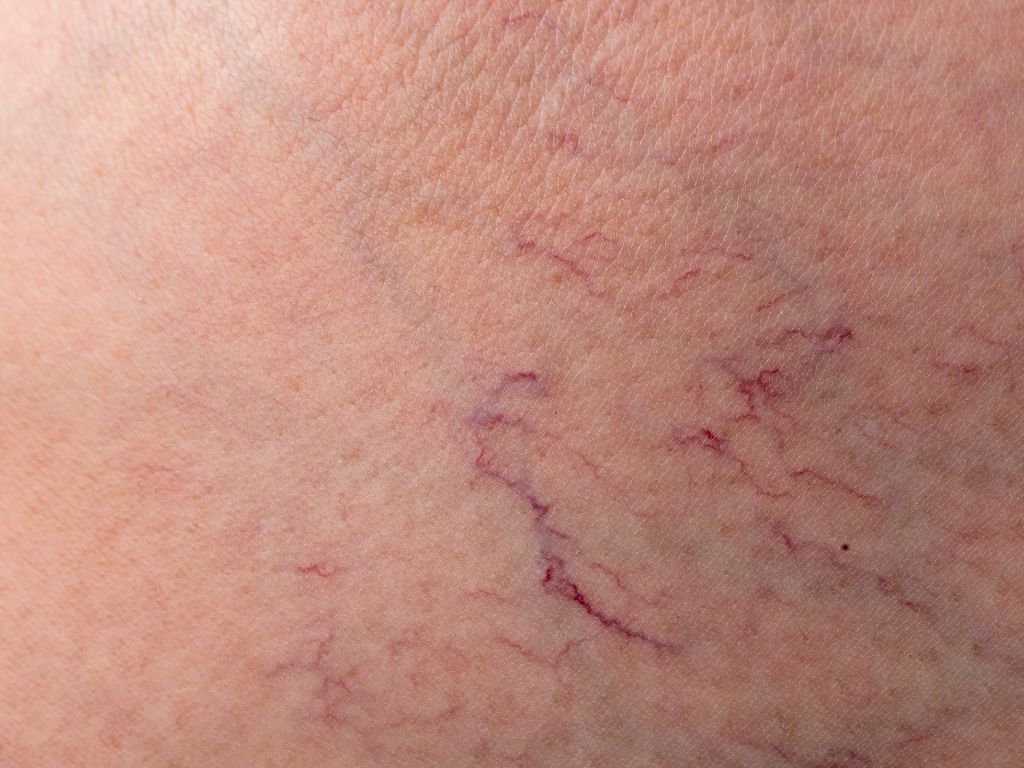
Capillaries – the tiniest vessels in the body
The word „capillary“ refers to the capillaries, the smallest blood vessels in the body. In cosmetics you will often hear expressions such as „capillary protection“, especially in products intended for sensitive skin or skin prone to redness. In natural formulas, herbal extracts such as horse chestnut or calendula are often used in time-honoured recipes designed to care for areas of the skin where visible capillaries appear.
Hydrocortisone – not used in natural cosmetics
Hydrocortisone is a corticosteroid used in pharmaceutical products to address inflammation. It is not used in natural cosmetics because of its synthetic nature and its medical classification. Natural alternatives, however, often echo its soothing qualities with plant oils or infusions – think chamomile, calendula or colloidal oats. These ingredients neither imitate nor replace hydrocortisone; they are simply used in non-medicinal, comforting formulations.

Carpal tunnel – discomfort in the wrists
This is not a cosmetic ingredient but a health issue. The term „carpal tunnel“ nevertheless sometimes appears in the descriptions of certain cosmetic products – such as massage oils or balms intended for use on the wrists and joints. It refers to discomfort in the wrists or hands that arises from overuse and pressure on the carpal tunnel. From the perspective of natural cosmetics, this term may appear in descriptions of traditional oil blends made with ginger, cloves or arnica for massage. Such products are presented for gentle warming or as aromatic support, not as a direct treatment of carpal tunnel problems.

Tretinoin – powerful, but not natural
Tretinoin is a synthetic derivative of vitamin A, often prescribed for acne or wrinkles. It is highly effective, yet also known for side effects such as dryness or sensitivity. It has no direct equivalent in natural cosmetics. The closest natural alternative would probably be bakuchiol, which offers similar but milder effects in a gentler way. When tretinoin is mentioned in discussions about natural cosmetics, it is usually as its counterpart.
Antiseptic – very clean
„Antiseptic“ describes substances that reduce the growth of microbes. In natural cosmetics this quality is often found in essential oils such as tea tree, thyme, rosemary or eucalyptus. These ingredients are not merely fragrant. They are traditionally added to facial mists, face masks or deodorants for their fresh, cleansing character. These oils are quite strong, though, and should always be used in the right dilution.
Chloasma – uneven pigmentation
Chloasma (also called melasma) refers to patches of uneven pigmentation, often caused by sun exposure or hormonal changes. Natural cosmetics do not promise clinical results or a treatment for chloasma / melasma. Many natural products do, however, contain ingredients such as liquorice root extract, rosehip oil or vitamin C to support the overall radiance and balance of the skin. Some brands may mention chloasma as a skin concern, yet natural cosmetics usually focus on long-term care rather than on aggressive, rapid correction. For that, various pharmaceuticals and medical procedures are available.
Lymph – a body fluid
The word „lymph“ refers to the whitish body fluid that, for example, transports white blood cells in the event of an infection. Lymph also appears in contexts such as lymphatic drainage massage or detoxifying body oils. In natural body care it relates more to ritual than to medicine. Products with stimulating essential oils (juniper, for instance) are sometimes described as „supporting circulation or lymphatic flow“. Not because they move lymph in a medical sense, but because they are used with massage techniques focused on relaxation and overall care.
Frequently asked questions about foreign words in cosmetics
Why are some plant names so complicated?
Many complicated terms, especially those in Latin, simply reflect the origin of the plant. Lavandula angustifolia, for example, is quite simply lavender. It is the way of INCI (International Nomenclature of Cosmetic Ingredients) – standardising plant names across different languages so they are unified and easier to communicate and follow all over the world.
Is it safe to use products with medical-sounding words?
It depends on the situation. Some expressions may be used for marketing purposes, while others refer to clinical ingredients that are not part of natural cosmetics (such as tretinoin or hydrocortisone). Always read the full wording and the ingredient list, and get to know what is really inside a cosmetic product.
Why do natural cosmetics also use long INCI names?
Even completely natural products are required by law to list their ingredients in INCI format. This helps to maintain transparency and consistency, especially with international products. Many brands also give „translated“ ingredient names on their websites or packaging so that customers can understand them better.
How can I understand cosmetic labels better?
Start with the basics. Look at the INCI names and what they mean for the products you already have at home and use. Look for open, well-explained formulations, and do not hesitate to ask manufacturers for clarification if you have questions. Transparency is a sign of trustworthiness.

Interesting facts about cosmetic terminology
- The word „frangipani“ originally comes from an Italian noble family that created a perfume in the 16th century.
- „Capillary protection“ is a common expression in Slovak natural skincare products, but it appears only rarely in English labelling.
- Some natural oils have antiseptic properties, but their effect depends largely on the right dilution and storage.
- The INCI system uses Latin and scientific terms to avoid confusion on international markets.
- Bakuchiol, the plant-based alternative to tretinoin, is often called „natural retinol“ – but it works very differently.
- Chloasma is sometimes called the „mask of pregnancy“, because it often appears during hormonal changes.