
Our nails can do far more than just look pretty under a coat of polish. Thanks to evolution, their main purpose is to protect our fingertips, yet they can also reflect our inner health. In the beauty world, nails have become a form of self-expression – today the trends are led by colourful nail polishes of every shade, artificial nails, press-on nails, gel nails and the iconic French manicure. So how do these beauty practices affect the health of our nails? And what should caring for natural nails really look like? Read on in our article.
Healthy nails and their structure
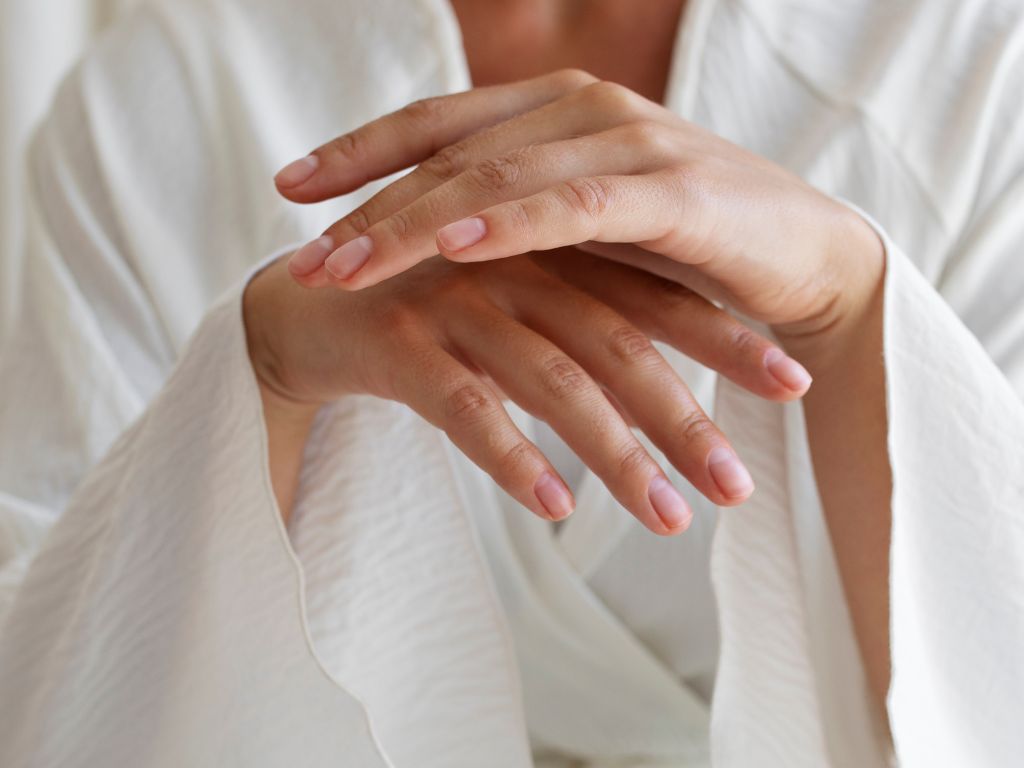
Before we dive into trends and artificial enhancements, it is worth knowing what our fingernails actually are. Our nails are made mainly of keratin (a protein also found in hair and skin) and they grow from the matrix – the area beneath the cuticle. The visible part of the nail is technically made of „dead“ keratinised cells, much like hair. This means nails do not need oxygen the way skin does, yet they still need nourishment from the body in order to grow strong and smooth. A healthy nail should be smooth, gently curved and free of spots or deep ridges. A change in colour, brittleness or changes in texture often point to underlying issues such as dehydration, a lack of vitamins or damage from beauty treatments.
Popular ways of beautifying nails
Nail polish
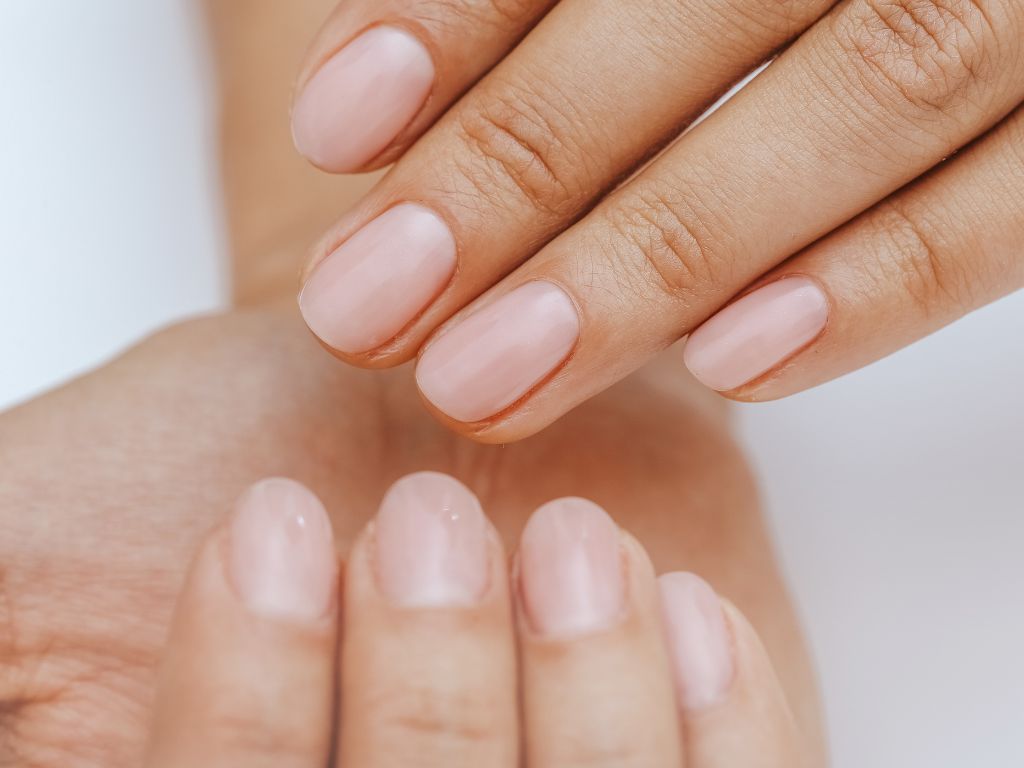
Nail polish is usually the first choice for many girls and women. Nail polishes come in every shade imaginable, so you can adapt the colour completely to your own taste. It is a simple way to make your nails pretty quickly and quite easily. Frequent use of nail polish can, however, have its downsides. This applies especially to polishes containing formaldehyde, toluene and dibutyl phthalate (DBP), which can leave the nails dry and discoloured. Constant polishing without a break can leave nails yellow, brittle and generally weakened. These days there are also polishes with nail-friendly formulas that contain no aggressive chemicals. Even so, we recommend giving your nails time to breathe between coats and reaching for natural cosmetics, such as nourishing oils or nail balms.
Artificial nails
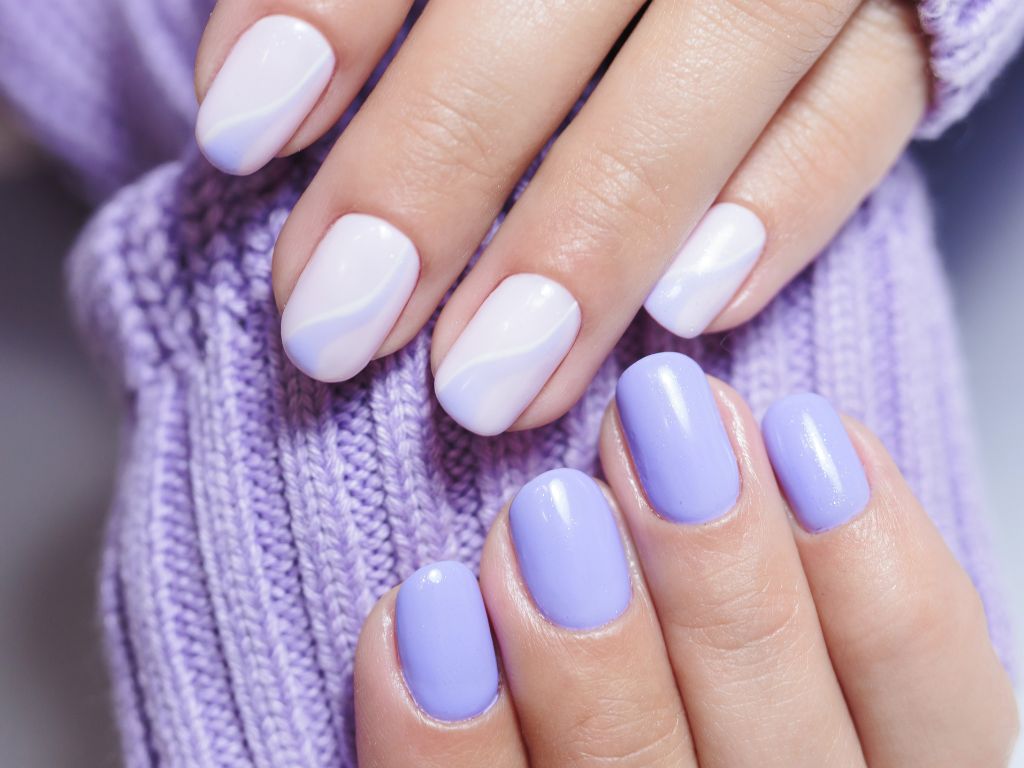
For many women, artificial nails are a beauty essential. They offer a customisable length and shape, longer wear, greater strength and above all a design tailored to each woman's own idea. Artificial nails are made quite literally to measure for every woman and every single nail. They are usually created in nail studios and salons as an extension of your natural nails. They tend to be more expensive and, for the best result, they should be applied by a professional.
Gel nails
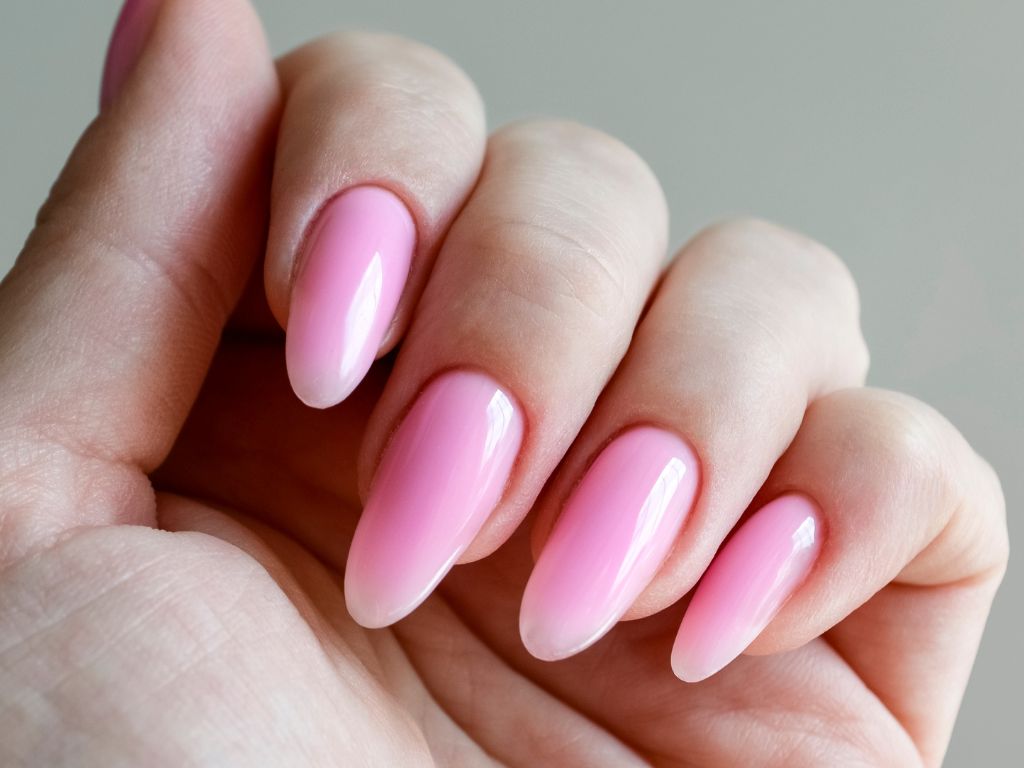
Gel nails, on the other hand, give your natural nails a glossy surface that resists chipping. With a UV lamp at home you can do gel nails yourself. The application is not very different from a standard nail polish, yet gel nails usually last better and longer than a classic polish. Both artificial and gel nails can, however, lead to longer-term problems. The application and removal process often involves rough buffing, exposure to UV lamps or strong solvents such as acetone, and pressure on the natural nail plate. Over time this can thin the natural nail, make it brittle or even encourage fungal infections if moisture becomes trapped underneath. From a health point of view, these techniques are best used in moderation and removed with particular care – ideally by a professional who knows how to avoid excessive damage to the cuticle.
French manicure
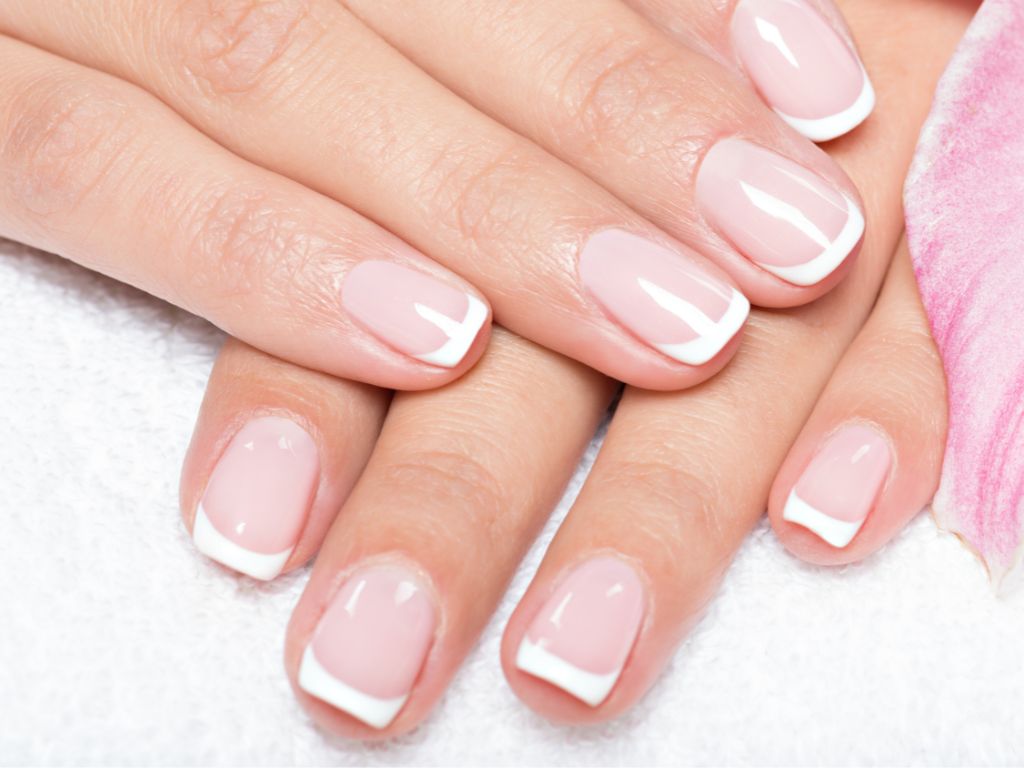
The French manicure is one of those timeless nail trends that remains popular to this day. It uses a pale pink or nude base with white tips to create a clean, natural effect. Even here, though, it is worth staying attentive. Done regularly, even a gentle manicure can dry out the nail plate and the surrounding skin – especially if the cuticles are pushed back or trimmed too harshly. A natural version of the French manicure can use mineral-based nail polish and a nail buffer to create a soft shine without any polish at all. That way you keep the look with less chemical exposure.
When do your nails need a break?
If you notice splitting, peeling or a chalky texture after removing polish or artificial nails, take it as a gentle signal. These signs suggest the nail is dehydrated or overworked. Give your nails a week or two of rest and in the meantime:
- Apply a nourishing nail oil daily
- Keep nails trimmed and filed to avoid breakage
- Do not expose your hands to aggressive chemicals without gloves (be careful with cleaning products, for example)
- Consider a supplement such as biotin or collagen if your diet is not varied enough
Tips for caring for natural nails
Caring for your real nails does not mean giving up every beauty ritual – it simply means paying attention to certain ingredients and to how often you use them. Here are a few tips for keeping your nails strong and beautiful:
- Use a gentle, acetone-free nail polish remover
- Moisturise your hands and cuticles daily with plant butters or oils
- Gently push your cuticles back – do not cut them
- Whenever possible, choose a breathable or water-permeable nail polish
- You can buff your nails to a natural shine instead of constantly applying colour
Frequently asked questions about nail health
Why do my nails break so easily?
It may be caused by a lack of hydration, a lack of protein or overuse of nail products. Natural oils and keratin are essential for nail strength, and regular exposure to polish removers or cleaning products can strip nails of these much-needed elements.
How often should I give my nails a break from polish?
Every few weeks, take at least 5–7 days off from polish or gel. Use this time to apply a serum or a natural nail balm to help restore strength and flexibility.
Can nails „breathe“ under polish?
Technically, nails do not breathe, because they are made of dead keratin. They still benefit, however, from the moisture and oxygen supplied through the nail bed. Frequent polishing can trap dryness and prevent healthy oils from reaching the surface. That is exactly why breaks matter so much.
Are white spots on nails a sign of calcium deficiency?
This is a common myth. White spots are usually the result of a minor trauma to the nail matrix, or they are sometimes linked to a zinc deficiency – not calcium.
What kind of diet suits healthier nails?
Focus on foods rich in biotin, zinc, omega-3 fatty acids, protein and silica. Eggs, nuts, seeds, leafy greens and fish are excellent sources. Proper hydration is also key to maintaining flexibility and preventing brittleness.
6 interesting facts about nails
- Nails grow faster on your dominant hand and during the summer months.
- The average nail grows about 3 mm per month – roughly the thickness of two coins.
- Nails are essentially different hair – both are "dead" and both are made of keratin.
- The health of your nails can reveal inner imbalances, from iron deficiency to thyroid disorders.
- The oldest known manicure tools date back more than 5,000 years to ancient Babylonia.
- Onychophagia is the habit of biting your nails and it affects up to 30% of people at some point in their lives.