
At some point in life almost everyone notices dark, uneven patches on their skin. Whether they appear suddenly after a summer holiday or come on slowly, pigmentation spots, or hyperpigmentation, are a fairly common skin concern. Although in most cases they are harmless, they can affect self-confidence and the clarity of your complexion. Would you like the good news? There are several ways to soften them and reduce how visible they are. And all of it with safe, well-proven natural methods.
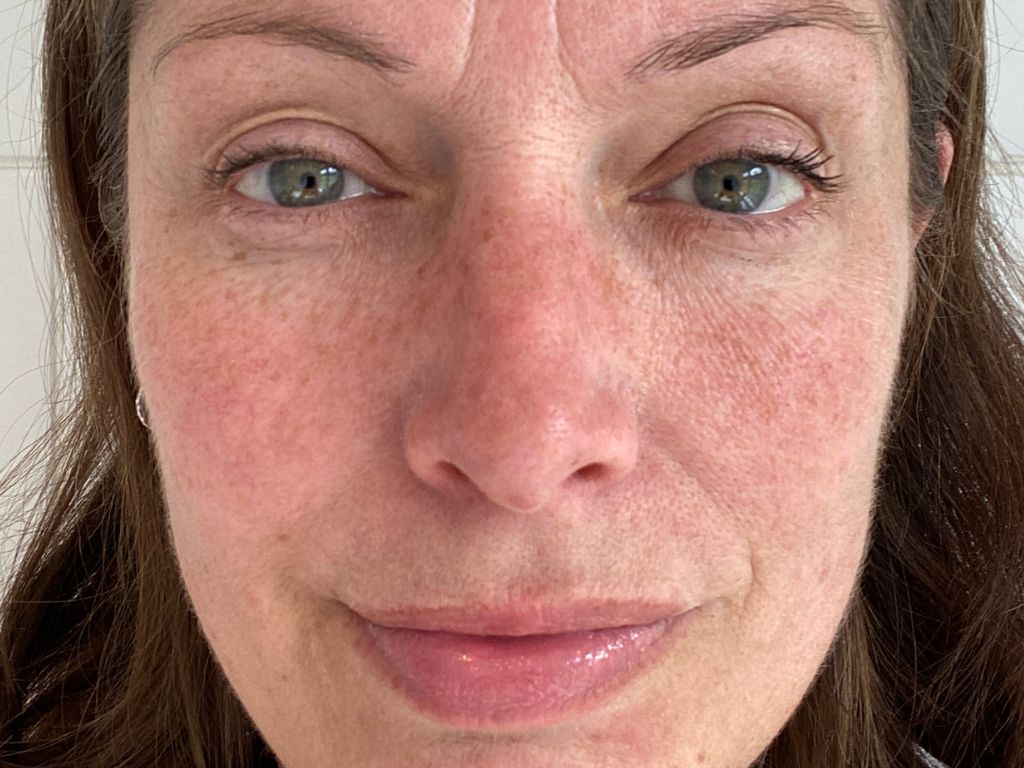
What are pigmentation spots and why do they form?
Pigmentation spots are areas of skin that darken as a result of excess production of melanin – the natural pigment that gives our skin its colour. This process is usually set off by external or internal factors and is mostly a protective response. Melanin is produced by specialised cells called melanocytes, and when these are overstimulated they create clusters of darker pigment. There are several types of pigmentation spots:
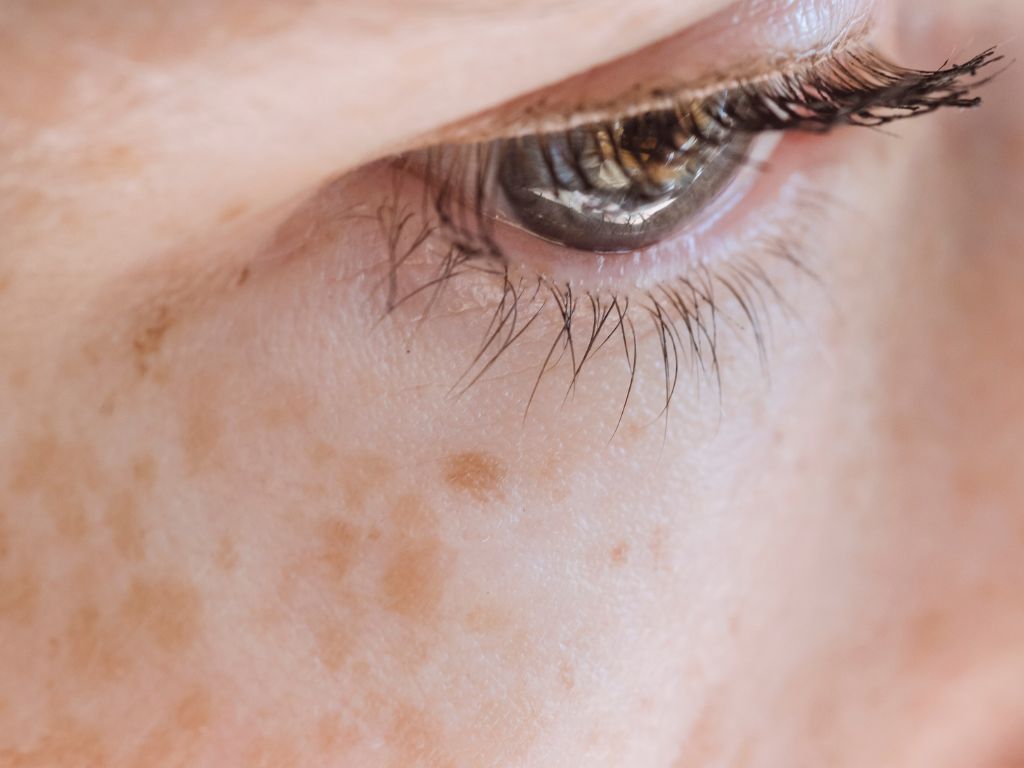
- Sun spots (solar lentigines): Caused by long-term sun exposure, they often appear on the face, hands, arms and décolleté.
- Melasma: Often brought on hormonally and common during pregnancy or while taking contraception. It usually appears as symmetrical patches on the cheeks, forehead and upper lip.
- Post-inflammatory hyperpigmentation (PIH): Develops after inflammation of the skin, such as acne, eczema or an injury.
- Freckles (ephelides): Small, light brown spots that often appear in people with fair skin. These are largely genetic, but they darken with sun exposure.
The most common causes of hyperpigmentation
The causes of an uneven skin tone can vary. Some people are more prone to pigmentation concerns genetically, while for others pigmentation spots appear over time through lifestyle or the environment. The main causes of pigmentation spots include:
- Exposure to UV radiation (sunlight) is culprit number one. Even brief sunbathing without protection can bring on new spots or deepen existing ones. That is why pigmentation concerns often get worse during the summer months. This is also a much-discussed topic at that time of year. The basic recommendation is always to use a sun cream with a sufficient SPF filter when you are in the sun.
- Hormonal shifts are also a frequent trigger, especially in women. Changes during pregnancy, menopause or while taking contraception can stimulate melanin production, which leads to melasma.
- Inflammation from acne, cuts or skin conditions can leave pigmentation spots behind long after the skin has settled. This is especially common in darker skin tones, which have more active melanocytes.
- Some medicines and cosmetic procedures can make the skin more sensitive to light, which can lead to changes in pigmentation. In that case it is important to protect yourself well.
Natural answers to pigmentation spots
Although there are chemical approaches to hyperpigmentation (such as hydroquinone or chemical peels), many people prefer gentler, natural alternatives that are kinder to the skin and do not disturb the skin barrier. Below we list some of the most effective products:
Facial serum with vitamin C
Vitamin C is a powerful antioxidant that helps to brighten the skin, hold back melanin production and protect against environmental stressors. With consistent use it can help to soften sun spots and even out the skin tone. For the best absorption, look for facial serums with stabilised forms of vitamin C, such as our facial serum with vitamin C.
Bakuchiol
Bakuchiol is a gentle, natural alternative to retinol. It supports cell renewal and addresses discolouration without causing dryness or irritation. It is ideal for people with sensitive skin. Many natural cosmetics products today contain bakuchiol as one of their main active ingredients.
Liquorice root extract
This herbal extract is known for its ability to soothe inflammation and hold back tyrosinase – an enzyme involved in melanin production. It is often part of brightening creams and targeted correctors. It is another natural ingredient well worth trying.
Exfoliating acids (AHA/BHA)
Gentle exfoliants such as glycolic acid (AHA) or salicylic acid (BHA) help to remove dead skin cells and allow newer, more evenly toned skin to come to the surface. These ingredients also support better absorption of the facial serums and creams that follow.
Natural oils
Rosehip oil, sea buckthorn and marigold are loved in natural cosmetics for their restoring qualities. They are rich in vitamins and essential fatty acids that help to bring back the skin's tone and texture over time. Many natural products rely on these ingredients, and if you see them in the composition, it is a hint that they are probably worth trying.
Frequently asked questions about pigmentation spots
Can pigmentation spots fade on their own?
Some smaller spots - especially marks left after acne - can fade naturally over time as the skin renews itself. Spots caused by the sun or hormonal spots, however, often need targeted care before they visibly improve.
Are pigmentation spots permanent?
Not necessarily. With consistent skincare and sun protection, many forms of hyperpigmentation can fade considerably. Some deep melasma patches, though, may need ongoing care.
Does sun cream help prevent pigmentation spots?
Yes, daily use of a sun cream with a suitable SPF is the most important step both in preventing pigmentation and in caring for it. Protection matters most during summer days, but it should not be forgotten on sunny days outside summer either. Without enough sun protection, even the very best facial serums and creams will have a limited effect.
Can diet or food supplements help with hyperpigmentation?
A balanced diet rich in antioxidants (such as vitamins C and E and zinc) supports skin health from within. Although no supplement can replace topical care, it can help to reduce the oxidative stress that contributes to an uneven skin tone.
Is hyperpigmentation more common in some skin tones?
Darker skin tones have more active melanocytes, which makes them more prone to pigmentation after an injury or inflammation. Gentle care and suitable sun protection are therefore especially important.
How to keep pigmentation spots from coming back
Consistency is key. Even after existing spots have faded, the skin remains prone to pigmenting again. Especially if you skip sun protection. In most cases a protection factor of at least SPF 30 is suitable, applied regularly, together with continuing to use brightening ingredients to keep the complexion even. Also avoid picking at spots or scrubbing and exfoliating too roughly, as that can lead to irritation and set off PIH (post-inflammatory hyperpigmentation).
6 interesting facts about pigmentation spots
- The term “melasma” comes from the Greek word “melas”, which means black or dark.
- Many cultures have traditional remedies for pigmentation, such as turmeric paste in India or rice water in East Asia.
- Melanin is in fact a natural defence mechanism protecting the skin from UV radiation.
- Pigmentation related to pregnancy is often called the “mask of pregnancy” and usually fades after the birth.
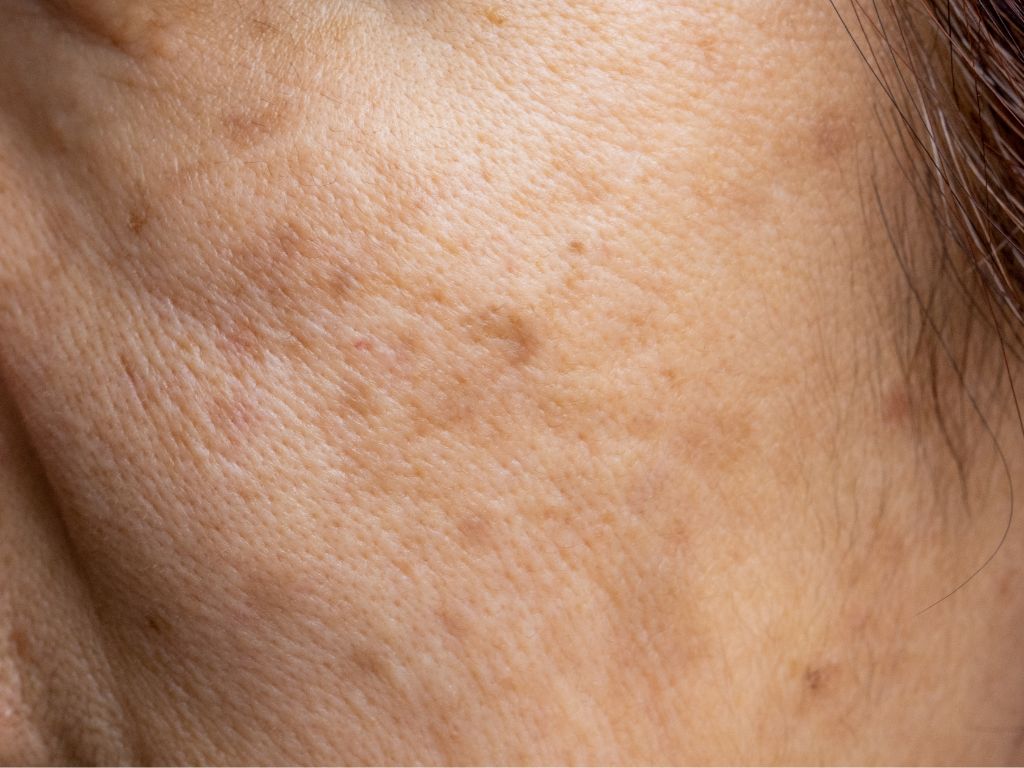
- Pigmentation spots are not only a concern on the face - they also appear on the neck, hands, arms and back.