
A face mask for the sake of skin care is a concept that dates back thousands of years. Many ancient civilisations, the Egyptians, Romans and Chinese among them, used various natural ingredients to create masks that nourished and beautified the skin. The famous Cleopatra, for instance, who was known for her radiant complexion, is said to have used clay masks to cleanse her skin. Over the centuries the formulation and application of facial masks has evolved, yet the basic idea has stayed the same - to improve the health and appearance of the skin through targeted care.
Face masks - the types
.jpg)
Face masks come in various forms, each designed to address specific skin concerns. Understanding the different types of face mask can help you choose the best one for your skin type and needs. Below we list some of the popular types of face mask.
Clay face masks
Clay facial masks are known for their ability to absorb excess sebum and impurities from the skin. They are especially lovely for oily skin and for blemish-prone skin. Clay masks usually contain ingredients such as kaolin, bentonite or French green clay, which help detoxify the skin, tighten pores and calm irritation. A cleansing clay face mask is well suited to deeply cleansing and revitalising your complexion.
Sheet face masks
Sheet face masks are thin sheets soaked in a concentrated serum, and they give intense hydration and nourishment. These are facial masks made from materials such as cotton, fibre or hydrogel. They are easy to apply and are ideal for every skin type. They provide an immediate boost of moisture and are especially effective for dehydrated or dry skin.
Hydrogel facial masks
Hydrogel face masks have a light, cooling texture that soothes and hydrates the skin. They are especially lovely for sensitive and irritated skin. Hydrogel masks often contain ingredients such as aloe vera, cucumber extract and hyaluronic acid, which give a refreshing and calming effect.
Exfoliating facial masks
Exfoliating face masks are made to remove dead skin cells and support smoother, more radiant skin. They usually contain ingredients such as alpha-hydroxy acids (AHA), beta-hydroxy acids (BHA) or enzymes, which gently dissolve the bonds between dead cells. These masks are wonderful for improving the texture and tone of the skin.
Peel-off face masks
Peel-off facial masks are applied as a liquid or gel and then left to dry, forming a film that peels away. As it peels, impurities are effectively lifted from the surface of the skin. These masks are effective at loosening pores and removing blackheads. Using them can be fun, too. If you belong to the younger generation, you have probably seen more than one amusing video of a peel-off face mask being removed. These face masks leave the skin clean and smooth.
Face masks - the benefits
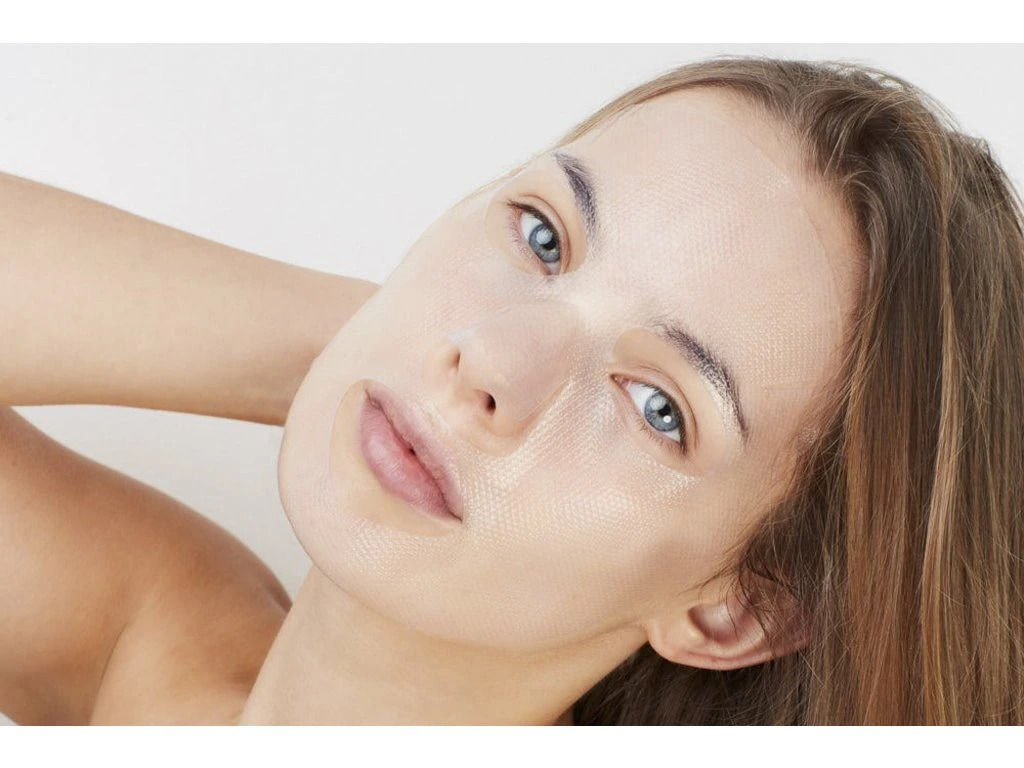
Facial masks offer a number of benefits, which makes them an important part of a skin care routine. Whether you need hydration, cleansing, exfoliation or a rejuvenated look, there is a facial mask designed to suit your needs. Below we list some of the main benefits of facial masks.
Deep cleansing of the skin and intense hydration
One of the main benefits of using facial masks is their ability to cleanse the skin deeply. Face masks, and especially those made from clay or charcoal, draw impurities, toxins and excess sebum out of the pores, leaving the skin clean and fresh. Regular use of facial masks can help keep breakouts at bay and keep the complexion clear. Hydrogel facial masks and some other types, in turn, give the skin an intense dose of hydration. They help lock in moisture and replenish the skin's natural barrier, which is essential for keeping skin supple and healthy. Hydrating masks are especially welcome during the colder months or after time spent in the sun, when skin tends to be drier.
Targeted care and relaxation
Facial masks are designed to focus on specific skin concerns, such as blemishes, dry skin and the like. By using a facial mask that addresses your particular concern, you can achieve even lovelier results. An exfoliating mask, for example, will help brighten and smooth the skin, while a soothing hydrogel mask will help reduce redness and calm irritation. Applying a facial mask is lovely for your skin and also for your overall wellbeing. Taking time just for yourself to put on a face mask can be a relaxing moment in which you rest beautifully and let go of stress. At the same time, the very experience of applying the mask, letting it work and then closing this little ritual can give you a unique feeling of calm and renewal.
PANAKEIA face masks
At PANAKEIA we devote ourselves to making natural cosmetics that bring real results. Our facial masks are made from high-quality natural ingredients that nourish, protect and bring out the natural beauty of your skin. From our range we have chosen these facial masks for you:
Hydrating hydrogel eye mask
 (1).jpg)
Our hydrating hydrogel eye mask is specially designed to firm, hydrate and smooth the delicate skin around the eyes. This mask is packed with clinically tested active substances that refresh and renew the eye area and offer exceptional hydrating effects. It also has soothing properties and helps soften the look of puffiness, dark circles and lines. With regular use this mask strengthens the skin and gives a youthful, revitalised look.
Hydrating hydrogel Anti-Age facial mask
The Hydrating hydrogel Anti-Age facial mask from PANAKEIA is an effective mask that supports a youthful, natural look to your skin. This face mask acts like a hydrating bath for your face, helping to soften fine lines while also holding back the appearance of new ones. The active ingredients give deep hydration and nourishment, which makes this mask an excellent choice for anyone who would like to keep their skin smooth and youthful.
Frequently asked questions about face masks
How often should a face mask be used?
How often you use a face mask depends on your skin type and on the type of mask you are using. For most people, using a facial mask 1-2 times a week is enough. Hydrating masks, however, can be used more often, especially if your skin is dry or dehydrated.
Can I use a facial mask if I have sensitive skin?
Yes, there are facial masks created especially for sensitive skin. Look for masks with soothing ingredients such as aloe vera, chamomile or oats, which are gentle and calming. Before using a new mask, always do a patch test to make sure it doesn't cause irritation.
Face mask before or after moisturising?
Facial masks should generally be applied after cleansing and before moisturising. This allows the mask to penetrate deep into the skin and give it all its benefits. It does depend on the type of mask, though, so always follow the manufacturer's instructions for the particular face mask you are using.
What is the best type of facial mask for oily skin?
For oily skin, clay masks are especially effective, because they absorb excess sebum and reduce shine. Look for masks containing kaolin or bentonite clay, which help keep oil production in balance and keep breakouts at bay.
Can I combine different facial masks?
Yes, you can use several face masks to address different skin concerns. This technique, known as multi-masking, involves applying different masks to different areas of your face. You could, for example, use a clay mask on the T-zone (forehead, nose, chin) and a hydrating mask on the cheeks.
Little curiosities about facial masks
- The use of facial masks reaches all the way back to ancient Egypt, where Cleopatra was known for using a clay mask to cleanse her skin. At PANAKEIA we have named one of our creams after her too – the Kleopatra face cream.
- Sheet masks come from South Korea and, thanks to how convenient and effective they are, they have become a worldwide skin care trend.
- Gold facial masks are beloved in luxury spas for anti-ageing care. Cleopatra is said to have used them as well — by all accounts she was a true skin care devotee.
- In ancient Rome, face masks were made from a mixture of ingredients such as barley flour and butter, and were traditionally used on wounds and scars.