
Acne is a fairly common inflammatory skin condition that appears when the ducts of the sebaceous glands (pores) become blocked with sebum and dead skin cells, which leads to inflammation. It often shows up as whiteheads, blackheads or simply breakouts and pimples, and it can appear mainly on the face, forehead, chest, upper back and shoulders. While acne is most common among teenagers, it can touch people of all ages at different stages of life.
The most common causes of acne
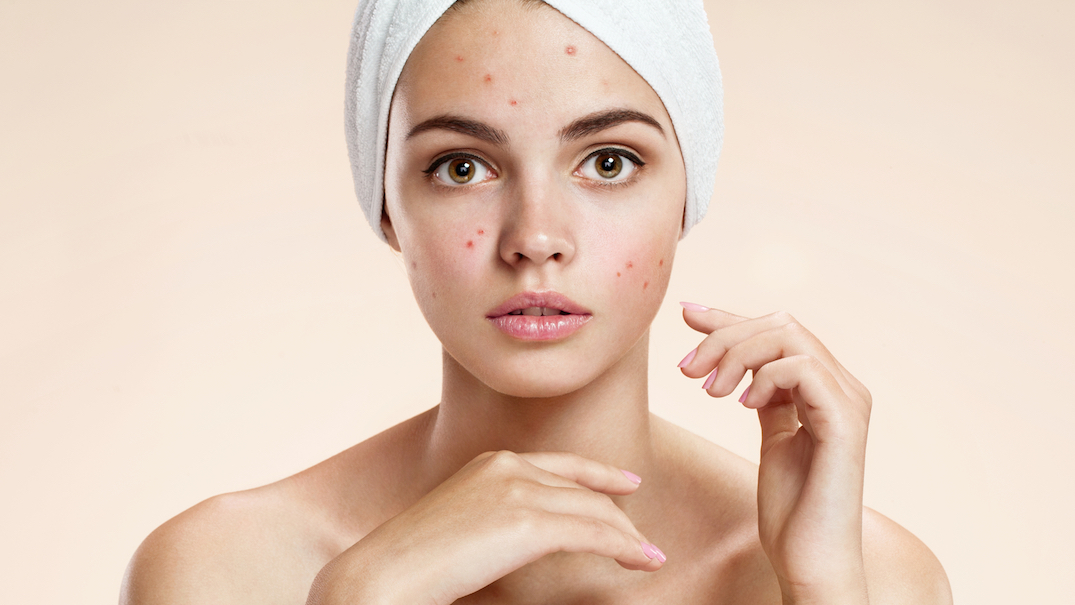
Hormonal changes as a cause of acne
Hormonal changes during puberty are the most common cause of acne. Androgens are hormones that rise during puberty and cause the sebaceous glands to enlarge and produce more sebum. This excess sebum often blocks the pores, which in turn leads to acne. For many teenagers this is a very stressful time of life and one that should not be taken lightly, as it can lower healthy self-confidence and in some cases even bring on emotional difficulties.
Genetics have a marked influence on acne
Genetics can play a significant role in the appearance of acne. If your parents had acne, it is more likely that you will meet it too. Genetic factors can influence the size and activity of your sebaceous glands and the way your skin responds to hormonal changes. It is not a rule, but the chance is greater than for someone whose parents did not have acne.
Diet and lifestyle also have an effect on acne
Diet and lifestyle can also contribute to acne getting worse. Foods high in refined sugars and dairy products are associated with acne worsening. In the same way, stress, lack of sleep and poor skincare habits can make acne worse still. That is why it is important to eat well, drink enough fluids and give yourself a long enough night's sleep.
Environmental factors and breakouts
Environmental factors such as air pollution or humidity can increase the likelihood of acne (breakouts) appearing. These factors can make the skin produce more sebum, which then leads to blocked pores and breakouts. In this case it tends to be about shorter periods of time, such as a summer or other holiday in a new environment, when the body is responding to that change.
Who is most troubled by acne?
As already mentioned in this article, acne is most often associated with teenagers and young adults, but it can touch people at any age. It is estimated that 85% of people between the ages of 12 and 24 have at least milder acne. Yet adults too – women to a greater extent, but men as well – can experience breakouts as a result of hormonal fluctuations, stress and other factors.
Women are more prone to acne
Women are more likely to experience acne in adulthood than men, especially during times of hormonal change such as menstruation, pregnancy and menopause. Hormonal treatments such as contraceptive pills can also influence the state of acne. In general, everyone with oily skin is also more prone to acne.
How to care for skin with acne
How to get rid of acne is a frequent question among people troubled by these unwelcome breakouts. Let us say right at the start that what works for one person need not work for another. Each of us is unique and may need a different approach. Here at PANAKEIA we are advocates of natural care for acne-prone skin. Caring for acne with natural cosmetics can be effective and gentle to the skin at the same time. Below we introduce a few natural cosmetics products intended for skin prone to acne, which nourish and protect the skin at the same time.
Ďubáčik acne serum
A bioactive serum for acne, breakouts, pimples and various skin imperfections. It is the very best in our range for caring for any unwelcome visitor on the skin. It contains several active ingredients such as chamomile extract, basil essential oil, thyme, turmeric extract and others.
Aloe Vera – organic juice
Aloe vera is known for its soothing and restoring qualities. It helps to reduce the inflammation and redness associated with acne. For a gentle, hydrating treat, try the organic Aloe vera juice. It also contributes to cell renewal and contains a whole spectrum of vitamins, which makes it a wonderful companion in caring for acne-prone skin.
Natural cosmetics for acne-prone skin
.jpg)
The foundation of caring for acne is frequent and thorough cleansing that frees the skin of excess sebum. In our range you will find:
- Cleansing balm - SENSITIVE, organic cleansing balm: a multifunctional balm for cleansing the skin.
- Deep cleansing balm and mask 2in1 - Acne-prone skin: a deep cleansing balm for acne-prone skin.
- KOPANYČÁRSKE NEBO – organic luxury facial balm: a luxurious choice for cleansing your skin at the very highest level.
- DIAMANT - toner for problematic skin: refreshment and hydration for skin prone to acne.
Acne: frequently asked questions
What is the main cause of acne?
The main cause of acne is pores becoming blocked with oil, dead skin cells and bacteria. Hormonal changes and genetics are often behind the appearance of acne.
Can diet influence acne?
Yes, diet can influence acne. For example, foods high in sugars are associated with acne worsening. A balanced diet rich in fruit, vegetables and other wholesome ingredients can help improve the state of acne.
Does acne only trouble teenagers?
No, acne can touch anyone at any age. Although it is most common in adolescence as a result of hormonal changes, adults can experience breakouts too, especially women, who more often go through hormonal fluctuations.
Can stress cause acne?
Yes, stress can contribute to acne appearing. Stress triggers the release of certain hormones that can increase sebum production and lead to blocked pores, which results in breakouts.
What are the best natural ingredients for acne-prone skin?
Some of the best natural ingredients for acne-prone skin include aloe vera, tea tree oil, salicylic acid (from willow bark) and green tea extract. These ingredients have antimicrobial, anti-inflammatory and soothing qualities that can help clear acne and prevent future breakouts.
Nothing is helping my acne, what should I do?
If the usual products and recommendations, or natural cosmetics, are not helping your acne, it is time to see a dermatologist who can help you. These days there are also more radical approaches to acne that may be suitable in some cases. One example is treatment with tablets.
What is the difference between acne and breakouts?
Breakouts are the everyday word for acne. They are therefore synonyms and refer to the same thing.
Interesting facts about acne
Did you know these things about acne?
- Acne is the most common skin condition in the United States, affecting up to 50 million Americans each year.
- The word “acne” comes from the Greek word “akme”, which means “point” or “spot”.
- The ancient Egyptians used sulphur to care for acne more than 3,000 years ago, and this practice is still used today.
- Around 85% of people between the ages of 12 and 24 have some form of acne.
- Acne is not only a human matter; even cats and dogs can have acne, especially on the chin.
- Changes in diet can take up to 12 weeks before they show on acne, so patience is key when adjusting your eating habits.