
Eczema, also known as atopic dermatitis, is a chronic skin condition that causes inflammation, redness, dryness and itching. It affects millions of people around the world and can appear at any age, although it often begins in childhood. Eczema is not contagious, yet it can have a significant impact on quality of life – mainly because of the discomfort, the itching and the visible signs. In this article from PANAKEIA we tell you more about eczema and the gentle ways of caring for it.
Eczema – origin and causes
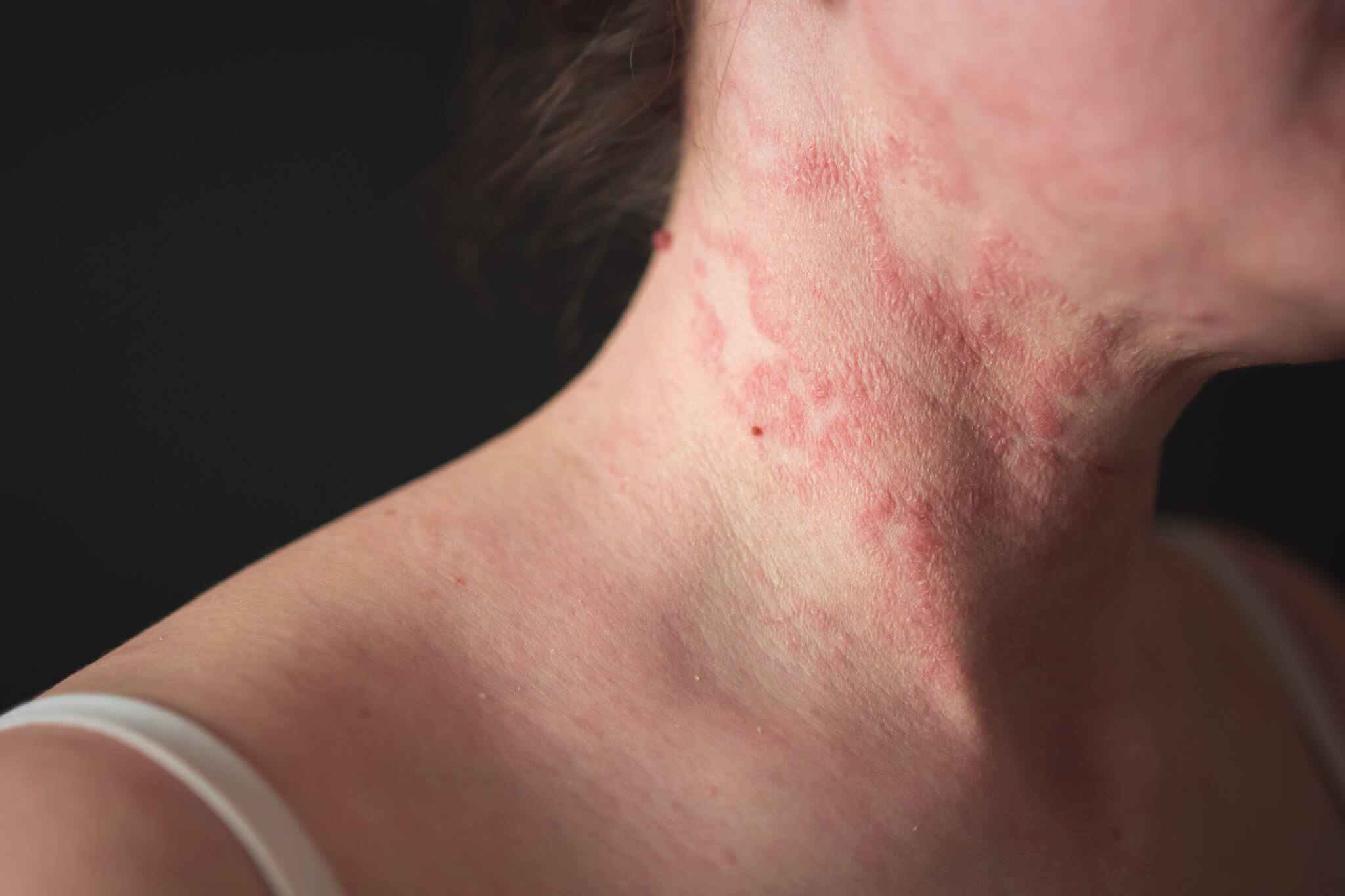
Genetics often stands behind eczema
Eczema often runs in families, which points to a genetic origin. People with a family history of eczema, asthma or hay fever are more likely to develop eczema themselves. This genetic predisposition affects the skin's ability to hold on to moisture, which leads to dry skin and irritation. Eczema is also linked to an overactive immune system. In people with eczema, the immune system overreacts to certain triggers, which causes inflammation of the skin. This inflammation leads to the classic symptoms of itching and redness. The exact cause of eczema is not fully understood, but it is thought to be a combination of genetic and environmental factors.
Environmental triggers of eczema and stress
Various environmental factors can trigger or worsen the symptoms of eczema. Triggers can include allergens such as pollen, pet dander and dust mites, as well as irritants such as soaps, detergents and others. Marked changes in the weather can also play a part, especially during cold and dry months. Stress is another significant trigger of eczema. Emotional stress can make the immune system more reactive, which in turn leads to worse inflammation. Eczema can also be influenced by hormonal changes, particularly in women during pregnancy, menstruation or menopause.
Who is most at risk of eczema?
Eczema can affect anyone, but it appears most often in certain age and other groups. Below we set out the groups most at risk of eczema.
Babies and children often live with eczema
Eczema is particularly common in infants and small children, with many cases developing before the age of five. In some cases children grow out of eczema as they get older, while in others the symptoms can continue into adulthood. Eczema often appears on the face, the scalp and, in babies especially, in the skin folds.
Eczema in adulthood
Although eczema is more common in children, adults can live with it too. Eczema in adulthood is not unusual and can sometimes be more severe than in childhood. In adults with eczema, the areas most at risk are the hands, the face and other parts of the body exposed to irritants.
Allergies and eczema
As mentioned above, people with allergies, asthma or hay fever are more likely to develop eczema. This is known as the "atopic triad", where one condition increases the likelihood of the others. Avoiding allergic triggers, such as pollen or certain foods, can lower the risk of eczema getting worse.
Natural care for eczema
Although there is currently no cure for eczema, natural care can help manage the symptoms and bring relief from itching and irritation. There are several effective natural ingredients that can help calm and protect skin prone to eczema.
Moisturisers and oats
Keeping the skin hydrated is key to living well with eczema. Look for moisturising preparations free of harsh chemicals and fragrances, and give preference to natural, non-irritating ingredients. Colloidal oats, for instance, are well known for their soothing, calming qualities. Natural cosmetics with oats bring relief from itching and help restore the skin's moisture barrier, reducing dryness and irritation. Worth a mention here is our natural oat oil.
Aloe vera and eczema
Aloe vera has been used for centuries to care for irritated skin, including skin prone to eczema. Its cooling and soothing qualities make it lovely for calming red, itchy skin. Our organic aloe vera juice helps calm red, irritated skin and hydrate dry skin.
Frequently asked questions about eczema
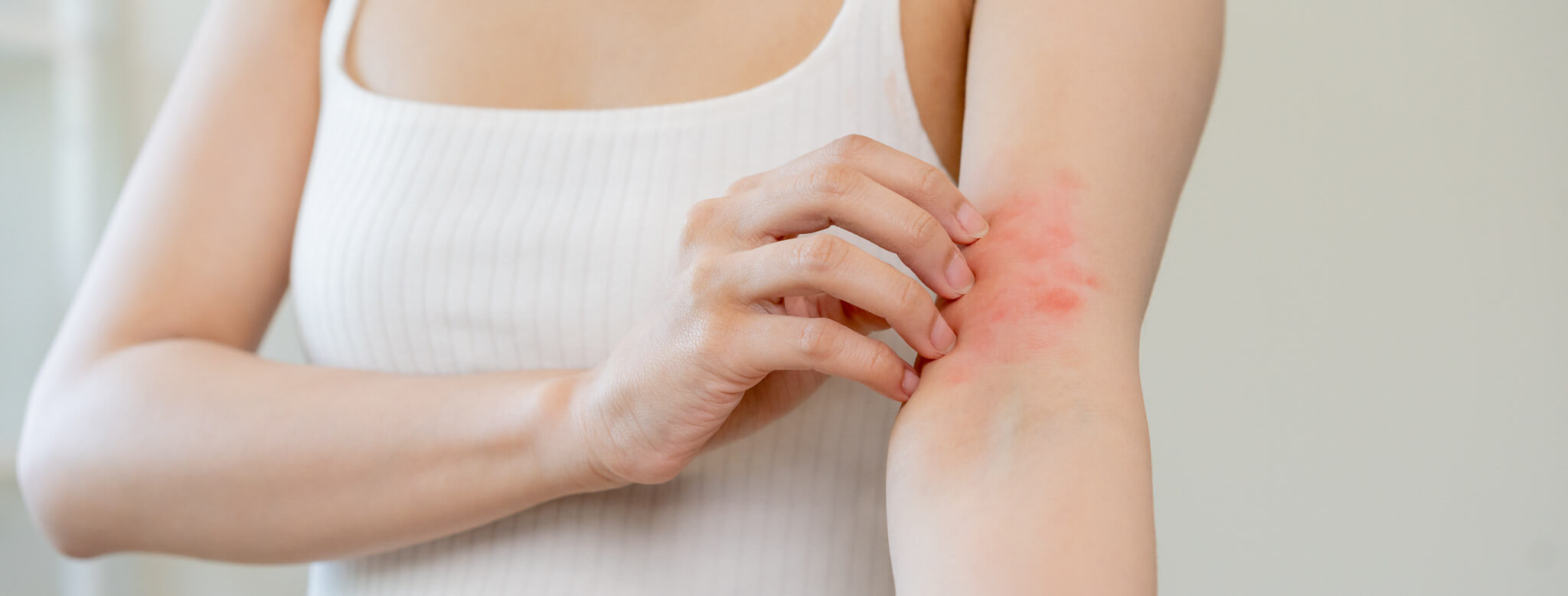
Can diet influence eczema?
Yes, diet can influence eczema. Certain foods, such as dairy products, gluten and processed foods, can be a trigger. Healthy eating that includes fruit, vegetables and omega-3 fatty acids can help ease the symptoms in some people.
Is eczema contagious?
No, eczema is not contagious. It cannot be passed from one person to another through skin contact. Eczema is an internal skin condition influenced by genetics, the immune system and environmental factors.
How can I prevent eczema?
To lower the risk of eczema, it helps to avoid known triggers such as harsh soaps or allergens. Regular moisturising and keeping stress at bay can also help lower this risk.
Can stress cause eczema?
Yes, stress can trigger or worsen the symptoms of eczema. When the body is under stress it releases hormones that can lead to inflammation, making eczema more likely to appear or to worsen.
Which natural ingredients help care for skin with eczema?
Some of the loveliest natural ingredients for skin prone to eczema include colloidal oats, aloe vera, chamomile and shea butter. These ingredients help calm inflammation, hydrate dry skin and ease itching.
Interesting facts about eczema
- Eczema affects roughly 10–20% of children worldwide, though many of them naturally grow out of it in adolescence.
- The word "eczema" comes from the Greek word "ekzein", meaning "to boil over", because of the red, inflamed look of the condition.
- Some forms of eczema, such as contact dermatitis, are triggered by an allergic reaction to specific substances such as nickel or fragrance materials.
- Your pets can live with eczema too. Dogs and cats can experience itchy or inflamed skin much as people do.
- October is national eczema awareness month, dedicated to raising awareness of this condition and sharing tips for care.
- One of the most common triggers of eczema is dust mites. It is therefore important to keep your home clean and free of allergens.