
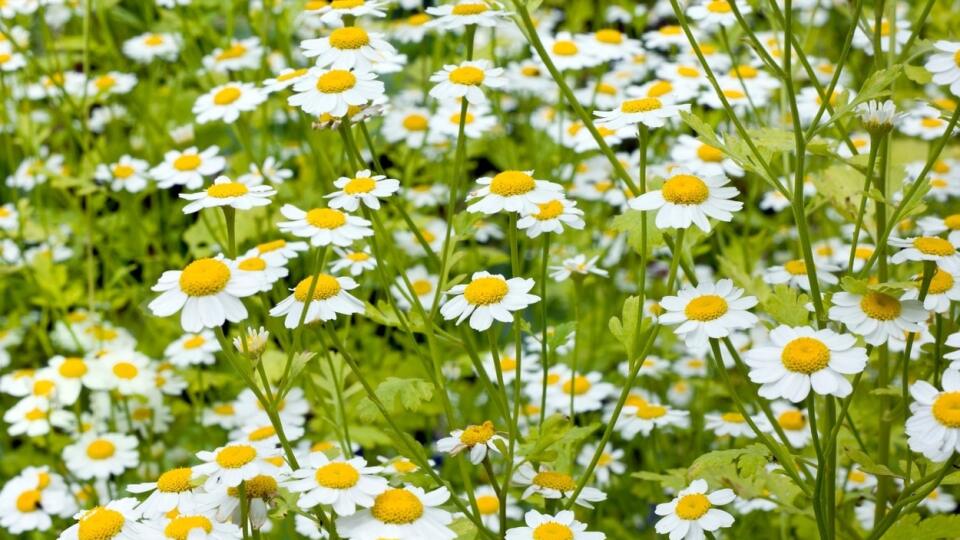
Feverfew, or Tanacetum parthenium, is a traditional herb with a rich history in herbal medicine, treasured for its benefits to health, its gentle effectiveness and its many uses.
Feverfew and its effects
- a notably strong helper with headaches and migraine
- supports the body's defences, helps guard against flu and colds
- antibiotic and antiseptic effects
- supports digestion, eases inflammation and pain in the stomach
- supports regular bowel movements and cleanses the digestive tract
- helps guard against cardiovascular illnesses
- gently widens the blood vessels and improves the flow through them
- brings blood to the extremities, for cold feet and hands
- eases menstrual pains, joint pains and other kinds of discomfort
- suitable for rheumatism and gout
- balances hormone levels during menstruation and menopause
- supports recovery after childbirth
Feverfew for headaches
One of the loveliest effects of feverfew is the comfort it brings to the head. Traditionally it is associated with easing occasional headaches and with a returning sense of lightness, which makes it a natural companion for discomfort of this kind. Beyond that, feverfew is also recognised for its potential to support the overall wellbeing of the body. It carries qualities that may contribute to a balanced, harmonious state and to a feeling of all-round health.
Feverfew tincture
Feverfew has also been explored for its anti-inflammatory properties. Some traditional practices include feverfew for its perceived ability to help with occasional inflammation and to support a healthy inflammatory response in the body. You can weave feverfew into your daily rhythm in various forms, including feverfew tinctures. A tincture is a strong concentrate that ensures a generous dose of the herb. Its long-standing reputation and its many effects make feverfew a sought-after ingredient in the world of herbal remedies.