
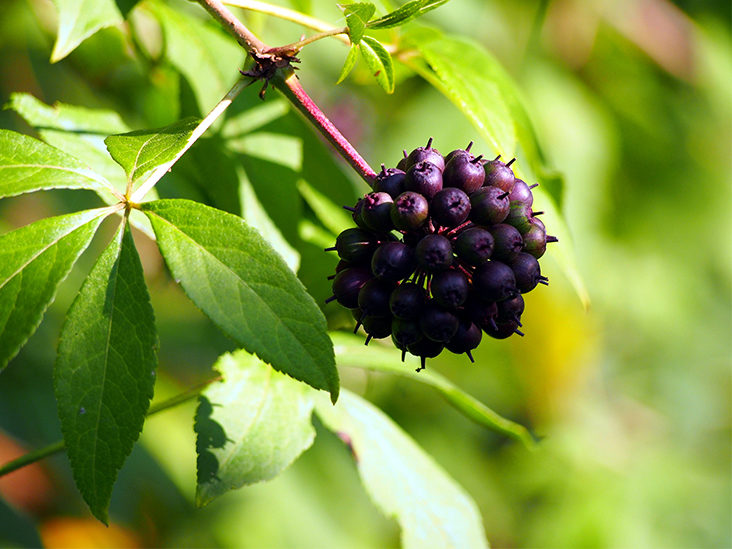
Eleutherococcus senticosus, also known as Siberian ginseng, is a remarkable plant adaptogen from the forests of north-east Asia, especially Siberia. Despite its name it is not a true member of the ginseng family, yet it shares similar adaptogenic qualities that have captivated the world of traditional medicine. Held in esteem for centuries in Siberian and Chinese herbal practice, Siberian ginseng is celebrated for the way it is said to support the body's resilience and overall vitality.
Siberian ginseng and its traditional uses
In traditional herbal practice, Siberian ginseng is spoken of in connection with a number of things, among them these:
- it is traditionally used to support the body's general resilience
- it is traditionally reached for during times of rapid physical and mental exhaustion
- it is said to help the body adapt to greater mental demands and to find its way back to itself after stressful periods
- it is traditionally described as mobilising the body's own adaptive and compensatory processes
- it is spoken of as a support for the immune system
- it is traditionally linked with protein formation and with healthy levels of haemoglobin
- it is traditionally mentioned in connection with cholesterol levels in the blood
- it is said to support the workings of the central nervous system
- it is traditionally associated with the senses - most of all sight and hearing
- in folk tradition it was also reached for during periods of convalescence and demanding recovery
- it is traditionally spoken of in connection with the circulation in the heart muscle and the brain
- it is traditionally mentioned in connection with the suppleness of the blood vessels
- it is traditionally associated with blood sugar levels
- herbalists traditionally mention it in connection with low blood pressure
The main benefits of Siberian ginseng
Siberian ginseng owes its reputation as a precious herbal ally to its strong adaptogenic qualities. These unique qualities are said to allow the body to adapt and respond better to stressful influences, supporting a sense of balance and wellbeing. Another of the main benefits attributed to Eleutherococcus is the way it is said to lift energy levels and ease feelings of tiredness. Regular use of this adaptogen is traditionally believed to support endurance and physical performance and to soften the sense of fatigue. For anyone facing demanding situations or wishing to support their sporting performance, this kind of ginseng may offer a natural source of steady energy.
Support for immunity and for clarity of mind with Siberian ginseng
Siberian ginseng is also known for its immune-supporting qualities. By supporting the immune system, this herb is traditionally said to help the body defend itself and maintain its wellbeing. As a natural ally for immunity, Eleutherococcus may be especially welcome during seasonal changes or when you are facing environmental challenges. Beyond the physical, Eleutherococcus is also known for its gentle effect on cognitive function. Regular use of this adaptogen is traditionally believed to support concentration, mental clarity and overall brain health, which makes it an appealing choice for anyone who wishes to care for their mental sharpness.
Tinctures of Siberian ginseng
Siberian ginseng (Eleutherococcus senticosus) is available in various forms, such as tinctures, supplements, teas or capsules. The ideal way of taking it may differ from person to person, so it is worth finding the form that suits you best. A Siberian ginseng tincture is a much-loved form that is easy to take and affordable at the same time. As with every herbal supplement, it is wise to follow the recommended dosage and to consult a professional, especially if you have any underlying health difficulties or are taking medication.