
What is valerian?
Valerian, known botanically as Valeriana officinalis, is a perennial flowering plant native to Europe and Asia. Since ancient times it has been used in herbal medicine as a natural companion in moments of unease, sleeplessness and stress. Valerian root contains active compounds that are traditionally said to support relaxation and a better quality of sleep. Never heard of valerian before? You are not alone. Many people do not know it, which is exactly why we have prepared this article, so you can learn more about this lovely herb.
The origins and traditional use of valerian
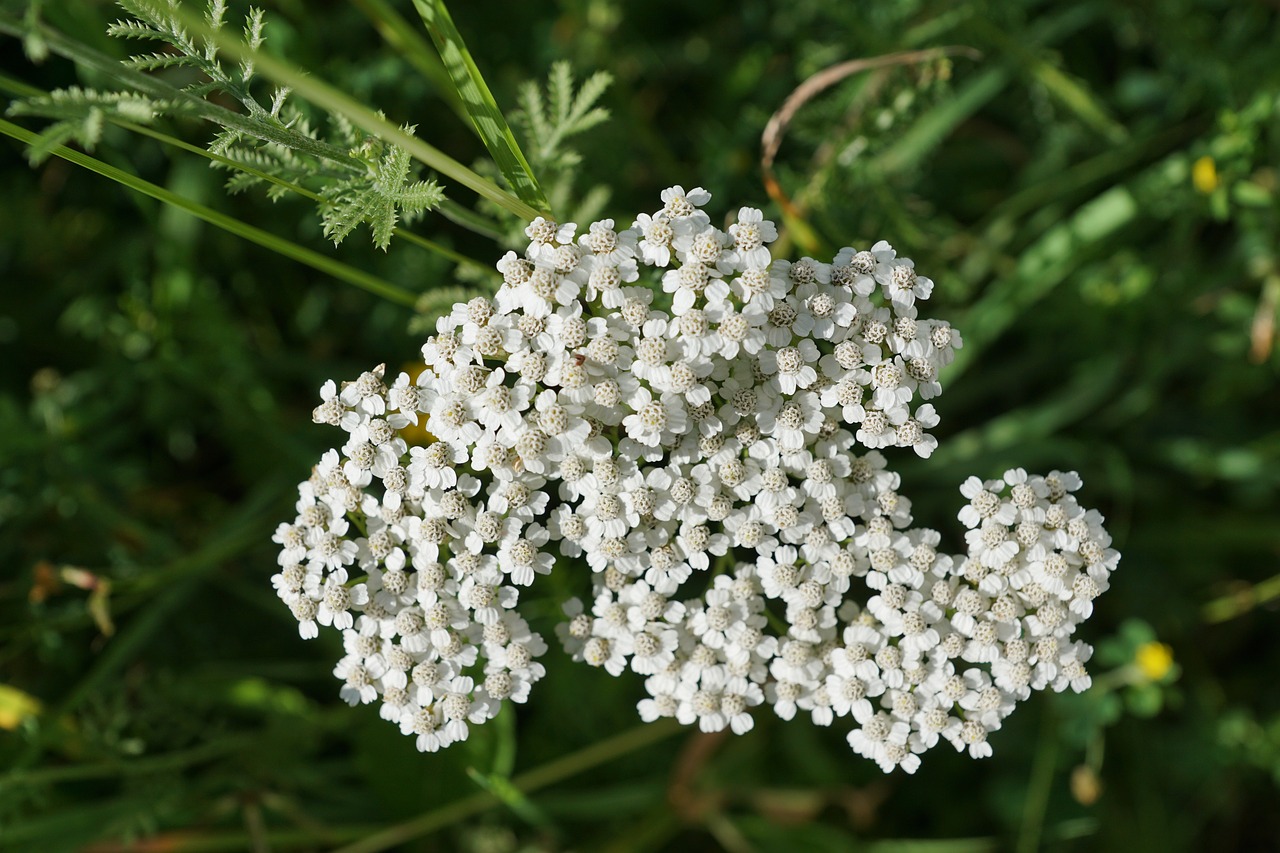
Valerian was already used in antiquity by the Greeks and the Romans, who knew of its calming qualities. Over time it became a much-loved natural alternative to synthetic sedatives. It does not, of course, replace strong sedatives or similar medicines, yet it has qualities that support rest and letting go. This is one of the reasons it is among the most widely used herbal supplements for relaxation and sleep. In Slovakia every herbalist knows valerian and prepares various herbal products from it. Valerian tinctures are particularly popular and belong to the category of tinctures for better sleep. It is often the valerian root that is used to make these products.
The traditional qualities of valerian root
- Supports relaxation: Valerian root is traditionally said to ease stress and unease by supporting levels of the amino acid GABA in the brain.
- Supports the quality of sleep: Valerian is widely used in times of sleeplessness and restlessness.
- Eases unease: The calming effect of valerian makes it a lovely choice for those living with stress.
- Supports the nervous system: Valerian root may help in times of nervous tension and mild changes in mood.
- Eases menstrual cramps: Some studies suggest that valerian may soften menstrual discomfort.
How to take valerian - tinctures versus capsules
1. Tinctures are absorbed more quickly
Tinctures are absorbed more quickly than capsules, because they bypass the digestive process. Taken sublingually (under the tongue) or mixed with water, a valerian tincture reaches the bloodstream swiftly and offers quick effects.
2. What tinctures and capsules contain
Our valerian tincture is made from pure herbal extracts with no needless fillers or synthetic additives. It contains alcohol as a solvent, which helps extract and preserve the active compounds for the fullest effect. Some people may prefer alcohol-free variants; this method, though, ensures a highly concentrated and quickly acting formula. Unlike tinctures, many valerian capsules contain binders, preservatives or lower concentrations of active substances, which may reduce their effect.
3. Simplicity of dosing
While capsules are handy for travelling, tinctures offer flexible dosing. Some people may find larger capsules harder to swallow. It is therefore always good to take capsules with plenty of liquid, ideally water.
4. Effectiveness
Since tinctures are concentrated liquid extracts, they often offer stronger and more immediate effects compared with valerian capsules. Valerian capsules, though, serve their purpose beautifully too.
How valerian tincture is made
Making valerian tincture follows the traditional method of herbal extraction, to ensure the highest potency and purity. Fresh or dried valerian roots are steeped in a quality alcohol solution, which helps extract and preserve the beneficial compounds. This maceration process can take several weeks, allowing the active ingredients to infuse fully into the liquid. The final product, the tincture, is carefully filtered and tested for quality, so that every drop brings the highest purity and the fullest effect.
How valerian capsules are made
Valerian capsules usually go through a more industrial process. The roots are dried and milled into a powder, which is then pressed into tablets or enclosed in gelatine or vegetarian capsules. Some commercial valerian capsules may contain additives such as binders, fillers or preservatives to improve shelf life and stability. This manufacturing process can sometimes reduce the potency of the active ingredients, especially compared with tinctures.
How to take valerian tincture
.jpg)
Taking valerian tincture is very simple. Just add a few drops to water, tea or directly under the tongue. If you have sleep in mind, a good time to take it is before bed. The tincture can also be used during the day, to ease stress and unease.
Frequently asked questions about valerian
1. Is valerian safe for everyday use?
Yes, valerian is generally safe for everyday use. With long-term use, though, it is best to consult your doctor.
2. Can I take valerian tincture alongside other medicines?
Valerian may interact with certain medicines, including sedatives and antidepressants. If you are taking any medication, it is wise to consult your doctor before using valerian tincture.
3. Does valerian cause drowsiness?
Yes, valerian has sedative effects, which is why it is recommended to take it before bed or in a restful setting.
Interesting facts about valerian
- Valerian root has been used for relaxation for more than 2000 years.
- During the Second World War valerian was used in England to ease the stress caused by air raids.
- Valerian is often used in herbal blends with chamomile (German chamomile), passionflower or lemon balm to support relaxation.
- Unlike pharmaceutical sleep aids, valerian does not cause morning grogginess.
- Valerian plants attract cats, much like catnip does.