
What is dry skin?
Dry skin, known medically as xerosis, appears when the skin lacks enough moisture and natural oils. It can leave the skin feeling rough, tight, flaky or even irritated. Dry skin touches people of every age and both sexes, and it can have many different causes. Among the common ones are genetics, environmental influences or a skincare routine that does not quite suit you. The lovely news is that dry skin is something that can be improved. A personalised routine with thoughtfully chosen cosmetic products is the cornerstone here - a gentle place to begin.
What causes dry skin
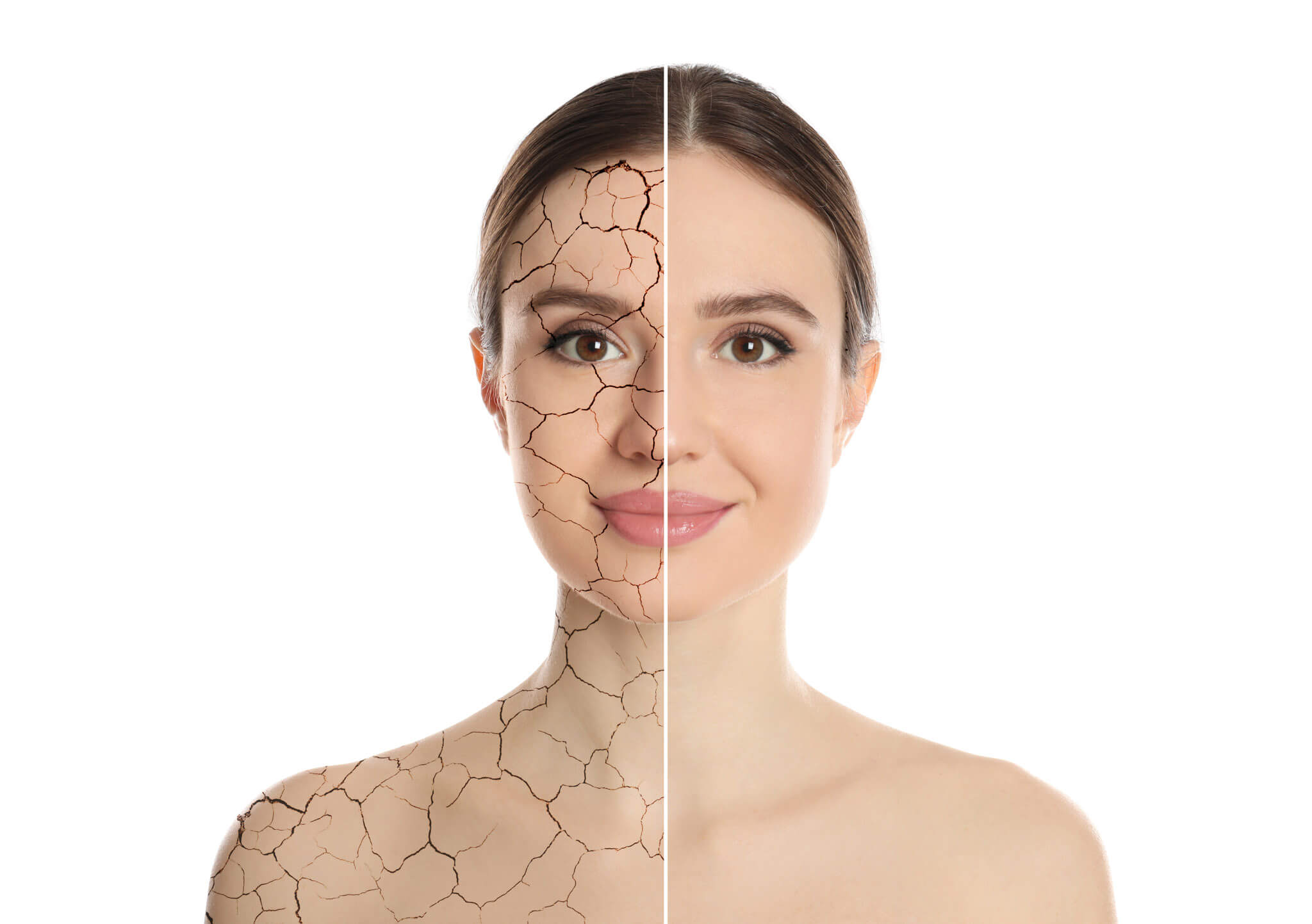
Understanding what lies behind dry skin can help with both prevention and care. Some of the most common causes include:
- Weather: Cold, dry air during the winter months can draw moisture out of the skin.
- Hot showers: Long exposure to hot water washes away the skin's own natural oils.
- Harsh soaps: Many commercial soaps contain strong detergents that can leave the skin dry.
- Dehydration: Not drinking enough water can lead to dryness from within.
- Skin conditions: Conditions such as eczema and psoriasis often bring pronounced dryness.
How to care for dry skin
1. Enough fluids throughout the day
Keeping the body hydrated is essential for keeping moisture in the skin. Drinking at least 8 glasses of water a day can help improve the skin's hydration from the inside. Enough fluids deserve a natural place in every day - not only for the skin, but for many other reasons too.
2. Hydration for dry skin
Choosing and using a quality moisturising cream or hydrating serum is also key. Look for ingredients such as:
- Shea butter: Offers deep hydration and nourishes the skin.
- Hyaluronic acid: Helps hold moisture in and plumps the skin.
- Aloe Vera: Soothes and hydrates irritated skin.
- Coconut oil: Works as a natural emollient that seals moisture in.
3. Steering clear of irritating products
Reach for gentle natural cosmetics free of perfume and parabens, so the skin is not irritated any further. It is kind to avoid harsh exfoliants, as they can strip the skin of its essential oils. Choosing the right cosmetic products is a key step towards happier skin.
4. Using a humidifier
Adding a humidifier to your home can help keep a pleasant level of moisture in the air and prevent the skin from drying out, especially in winter.
Why natural cosmetics matter for dry skin
Natural cosmetics play an essential role in keeping the skin healthy and hydrated. Unlike conventional skincare products, which may contain synthetic additives, natural cosmetics rely on plant-based ingredients, essential oils and natural extracts that offer deep nourishment without irritation. Ingredients such as chamomile (German chamomile), jojoba oil and calendula are known for their soothing and restoring qualities, which makes them ideal for dry and sensitive skin types. Choosing natural cosmetics also means steering clear of harsh chemicals such as parabens, sulphates and artificial fragrances, which can dehydrate and irritate the skin even more. By welcoming natural cosmetics into your routine you can improve your skin's moisture balance while caring for its long-term health and protection. The PANAKEIA range of natural cosmetics is built from carefully chosen ingredients that offer first-class hydration and renewal and help you reach soft, radiant skin. We offer natural skincare solutions designed especially for dry skin, which help restore moisture and balance.
Dry skin and other skin types

Understanding the differences between dry skin and other skin types can help you put together the right skincare routine.
- Dry skin versus oily skin: Oily skin produces excess sebum, while dry skin lacks its natural oils.
- Dry skin versus combination skin: Combination skin has both oily and dry areas, while dry skin is short of moisture throughout.
- Dry skin versus sensitive skin: Sensitive skin reacts easily to irritants, while dry skin is mainly about holding on to moisture.
Frequently asked questions
1. Can diet influence dry skin?
Yes. A diet rich in omega-3 fatty acids, healthy fats and vitamins (A, C, E) helps keep the skin hydrated.
2. How often should I use a moisturiser?
At least twice a day is often recommended - once in the morning and once in the evening.
3. Can dry skin cause wrinkles?
Yes, dehydrated skin can lead to premature fine lines and wrinkles.
Fun facts about dry skin
- Drinking a lot of coffee can contribute to dehydration and make dry skin feel worse.
- Honey is a natural humectant and can be used as a face mask for dry skin.
- The skin is the body's largest organ and asks for proper hydration every day.
- Aloe Vera has been used as a natural cosmetic ingredient for thousands of years.
- Using a silk pillowcase can prevent excessive moisture loss from the skin overnight.
- Cold weather can reduce the skin's hydration by up to 25 %.