
Our unique Slovak countryside offers many beautiful corners, mountain ranges, views, lakes and meadows. You have surely paused more than once on a walk or a hike over a meadow scattered with all sorts of colours. But has it occurred to you that many of the colourful plants you see aren't just ordinary meadow flowers, but herbs with all kinds of lovely effects? Our pastures and meadows are home to a wide array of native herbs that have been used for generations in herbalism and natural cosmetics. These plants are not only part of local folklore — nowadays they are finding a second wind and returning to the world of gentle natural cosmetics.
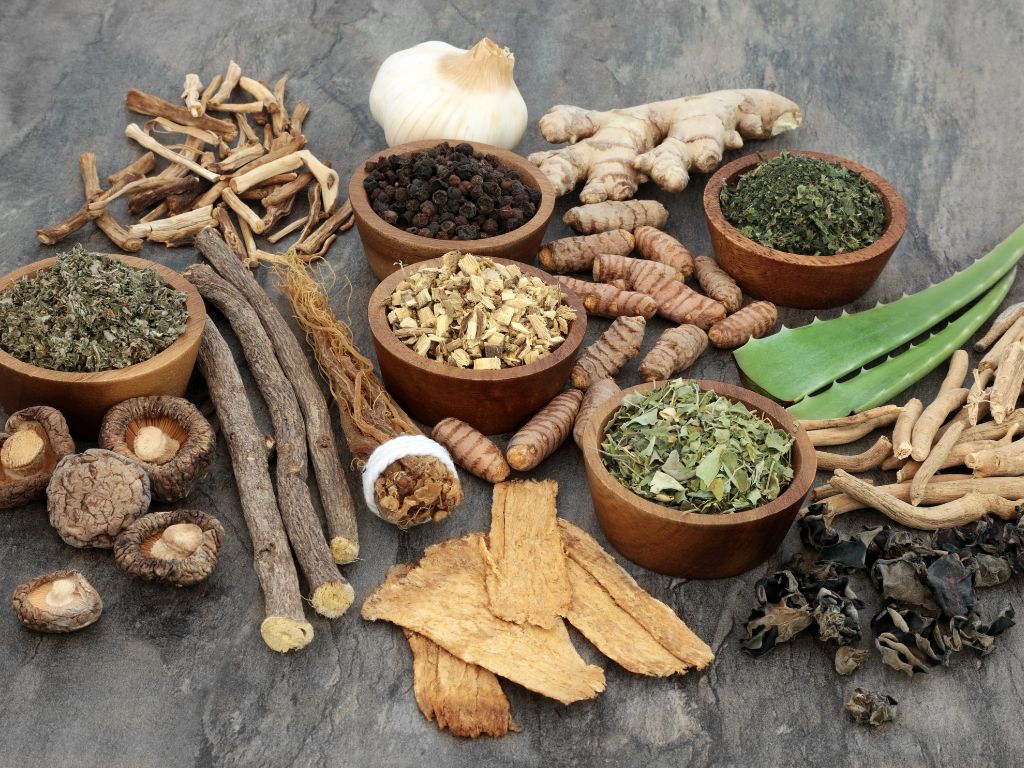
Herbs you can gather in Slovakia
In this article we'll explore the most iconic and most useful Slovak herbs used in natural cosmetics. From fields of wild nettle to meadows with calendula and elder, these plants offer a unique connection with the landscape, with tradition and with beauty.
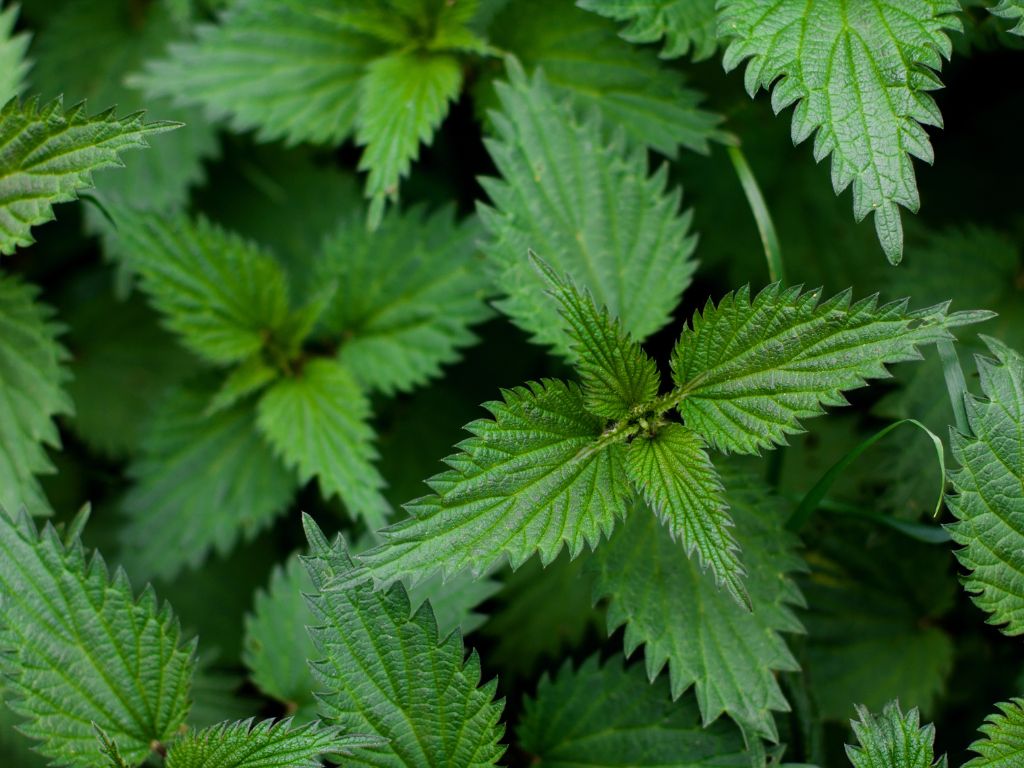
Stinging nettle - Urtica dioica
Stinging nettle, which often grows along forest edges, roads and paths, is one of the most common wild-growing herbs in Slovakia. Although it stings to the touch and has earned respect for that too, it is very much respected in cosmetics. Nettle is often used in hair tonics and shampoos, especially in recipes focused on the balance and vitality of the scalp. It is rich in chlorophyll, minerals and plant compounds that suit ecological formulations well. Our grandmothers used to make all sorts of hair preparations from nettle themselves, and some carry on doing so to this day despite the shampoos and other products available. Nettle tea is also very beloved thanks to its lovely effects on our body.
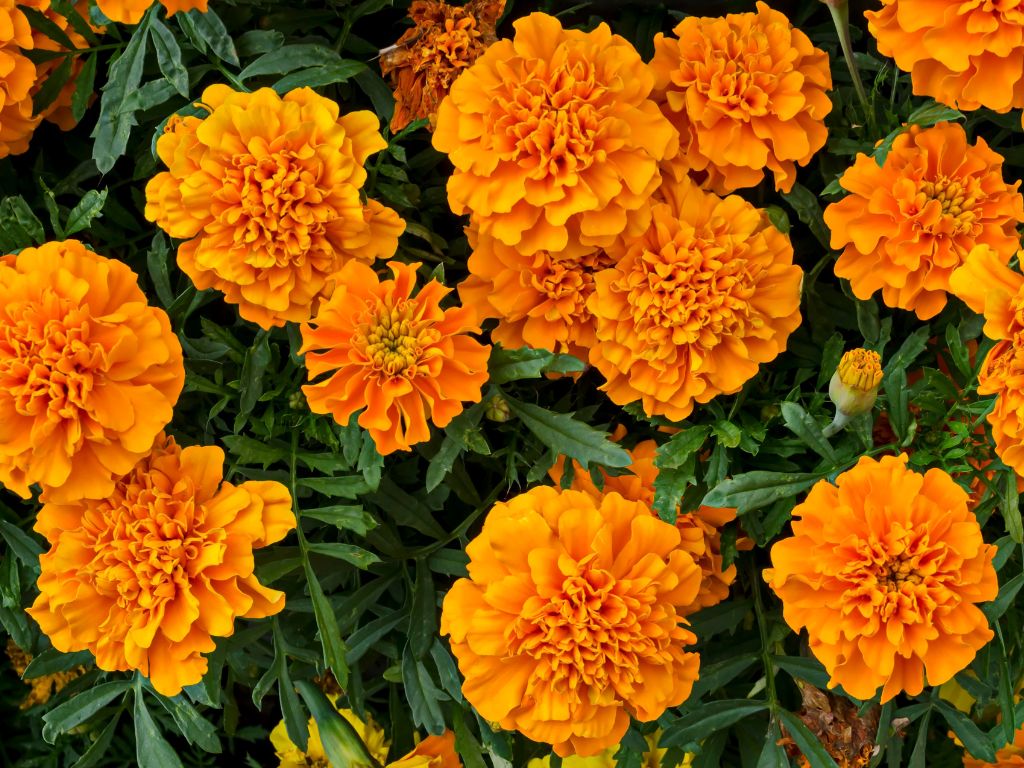
Calendula - Calendula officinalis
Calendula has long been a fixture in Slovak gardens and on wild meadows. The golden-orange flowers are gathered by hand and dried naturally. In natural cosmetics calendula is prized for its soothing nature, which makes it ideal for balms, facial oils and body creams. Calendula petals are also used to infuse oils or water-based preparations. Calendula rightly belongs among the most sought-after herbs in Slovakia and, among other things, tinctures are made from it too.
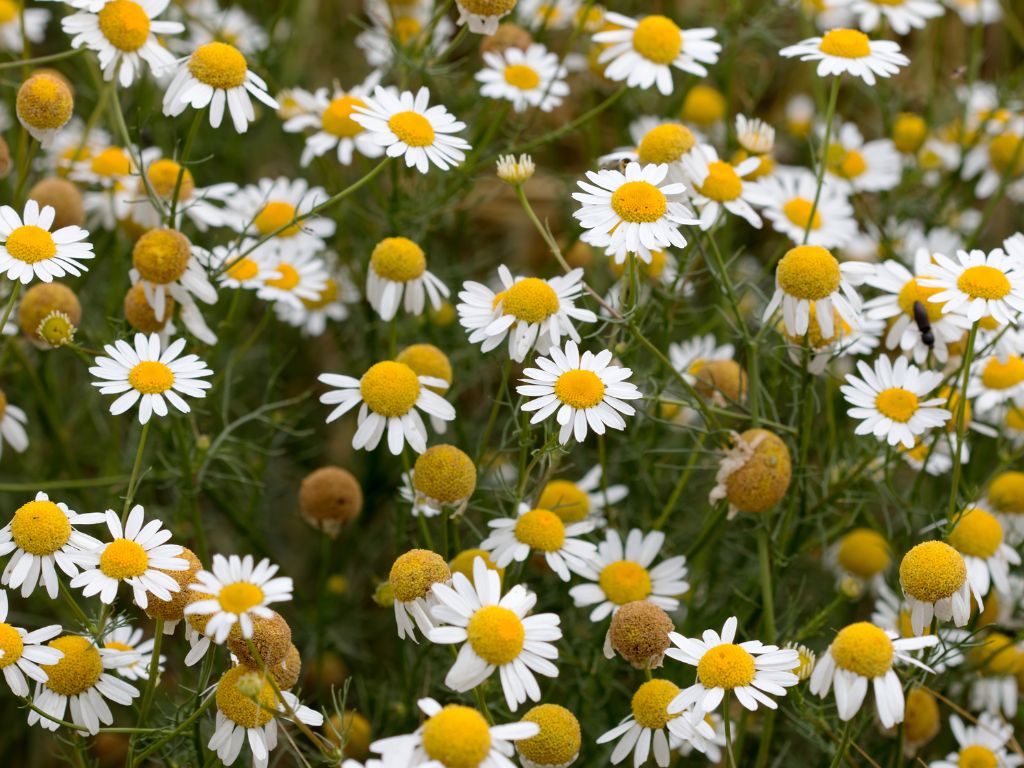
Chamomile - Matricaria chamomilla
Chamomile is another well-known herb on our list. It is beloved for its gentle, herbal scent and its calming reputation. Often found in sunny fields and by roadsides, its small white flowers are dried and used in facial mists, toners and facial serums. In Slovak tradition, chamomile tea and baths have long been associated with beauty and rest. Besides that, chamomile is also traditionally used when the airways feel blocked. Specifically, chamomile is left to infuse in a pot of hot water and, while the water is still hot, a person covers their head with a towel over the pot and inhales through the nose. This inhaling is said to ease blocked sinuses and clear them. It is another custom from our ancestors that has stood the test of time.
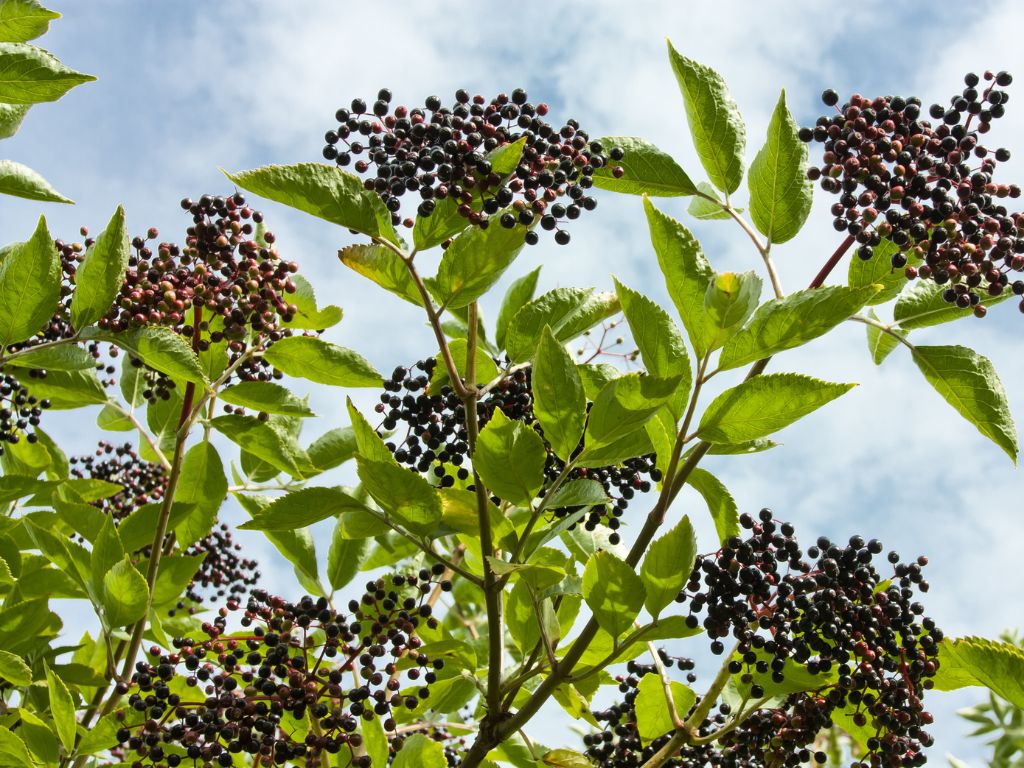
Elder - Sambucus nigra
Elder blooms in late spring and creates white clusters of flowers that stand out in many Slovak hedgerows, by streams or on meadows. Elder is traditionally used in teas and syrups, but also in some facial cosmetics. Its flower water is commonly used as a gentle toner, especially for dry or mature skin. Elder is a beloved flavour that is also commercially available in the form of the syrups already mentioned, or lemonades.
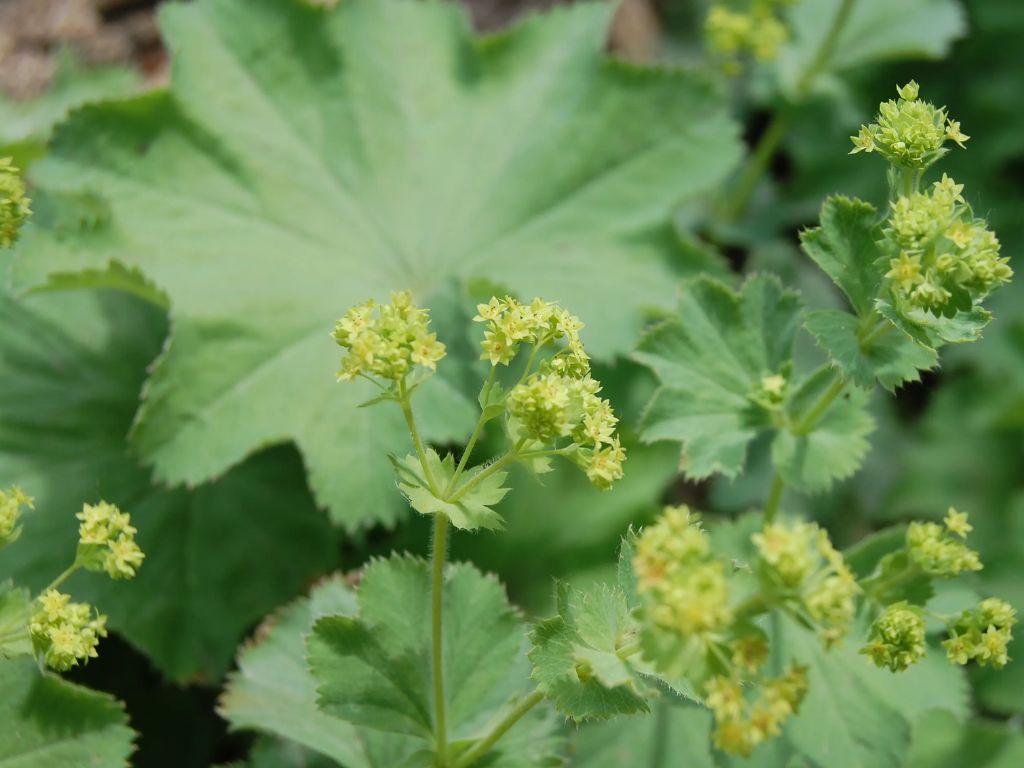
Lady's mantle - Alchemilla vulgaris
Lady's mantle thrives in the mountain regions of Slovakia. Its leaves catch the dew, and the softly scalloped edges of the leaves together with the green-yellow flowers always give it away. Although it is less known outside Central Europe, in Slovakia it has a strong place in the herbal tradition. It is often associated with care for women's health, or rather with women's concerns. Lady's mantle tincture is one of the most beloved tinctures for women.
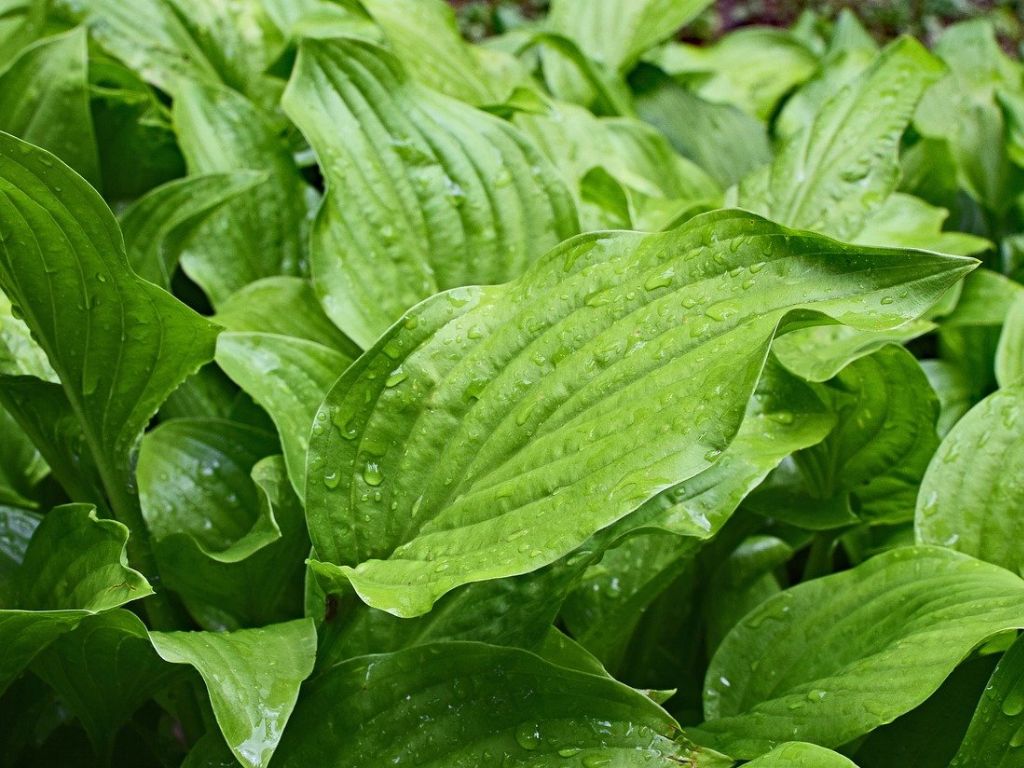
Ribwort plantain - Plantago lanceolata
Often overlooked, ribwort plantain grows almost everywhere in Slovakia - between paving stones, on footpaths and in meadows. Its leaves are used fresh or dried, and it is known for its role in traditional ointments and balms. In modern skin care it is added to soothing formulations, for example to creams for hands or for skin that has been through a lot. A tincture is also made from it, which is traditionally used with coughs.
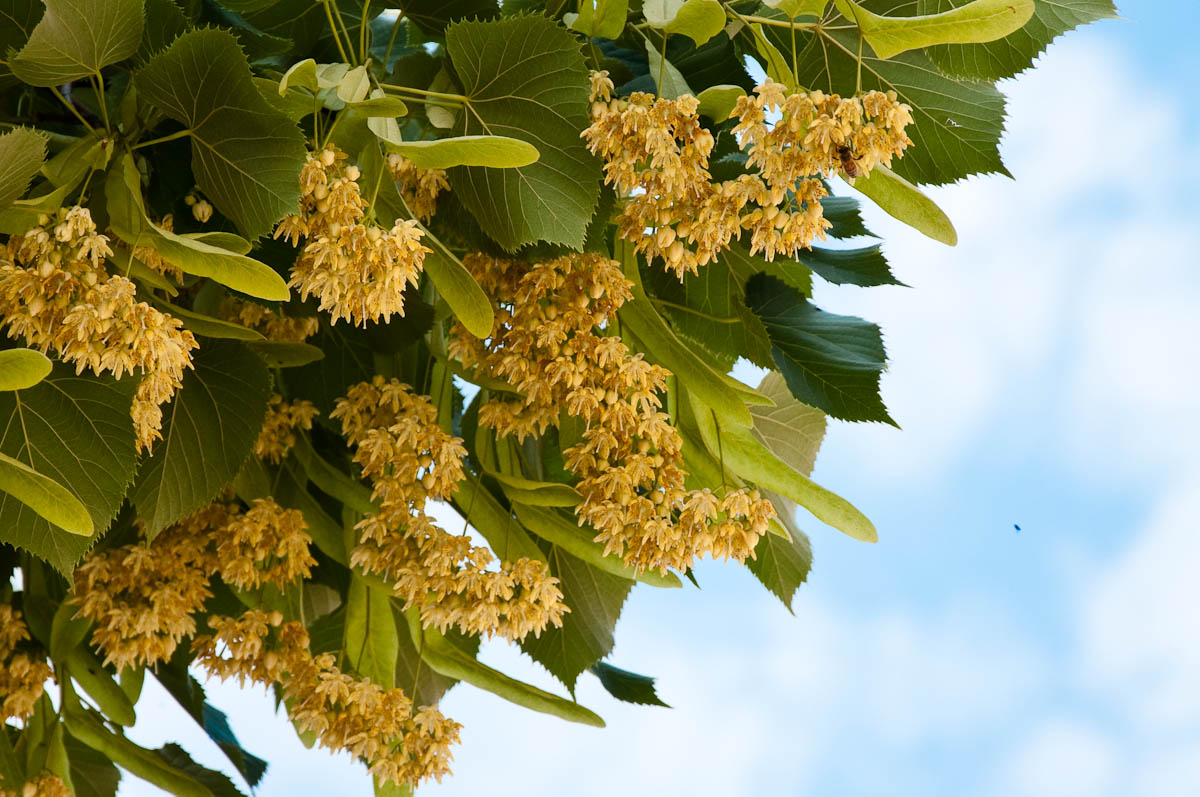
Small-leaved lime - Tilia cordata
Lime trees are also found all over Slovakia. The lime has been considered a symbol of the Slavs from time immemorial. At the beginning of summer its fragrant yellow flowers are gathered and dried. Lime is often used in facial mists, toners and facial serums. It is especially beloved in cosmetic products focused on comfort and hydration.
Frequently asked questions about herbs in Slovakia
Are wild-growing herbs better than cultivated ones?
Wild-growing herbs are often stronger because of environmental stress, but they need to be gathered responsibly. Some of them can grow in hard-to-reach terrain, or in national parks where gathering them is forbidden. Cultivated herbs, on the other hand, allow for consistency and sustainability. In Slovak natural cosmetic products both approaches are valued, especially when they support our natural ecosystems.
Can I gather herbs myself?
Yes, but very carefully. Get to know well the herbs you would like to gather, avoid protected areas and never overdo the gathering. It is important to respect natural cycles and to gather only what you can use, and in limited amounts. If you aren't sure whether what you are gathering really is what you want, ask more experienced herbalists. If gathering isn't for you, you can buy herbs from local organic growers or certified herb suppliers.
Why are these herbs used in natural cosmetics?
Many Slovak herbs are rich in antioxidants, natural compounds or aromatic oils. These are in harmony with modern clean beauty values - minimal processing, recognisable ingredients and a close connection with nature. These herbs often play a long-standing role in our local skin care traditions.
Are traditional herbal preparations still used nowadays?
Of course they are. Infusions, tinctures, teas and oils remain the heart of many artisan natural cosmetics brands. Natural cosmetics contain no harsh ingredients and, on some level, we all want to "return to nature". That also explains the current success of natural cosmetics on the market.
How can I start using Slovak herbs in my routine?
Start small. Add a flower water to your daily skin care, choose a facial serum containing our herbs, or pick a toner or a day cream. Consistency matters more than complexity - let the plants speak for themselves.
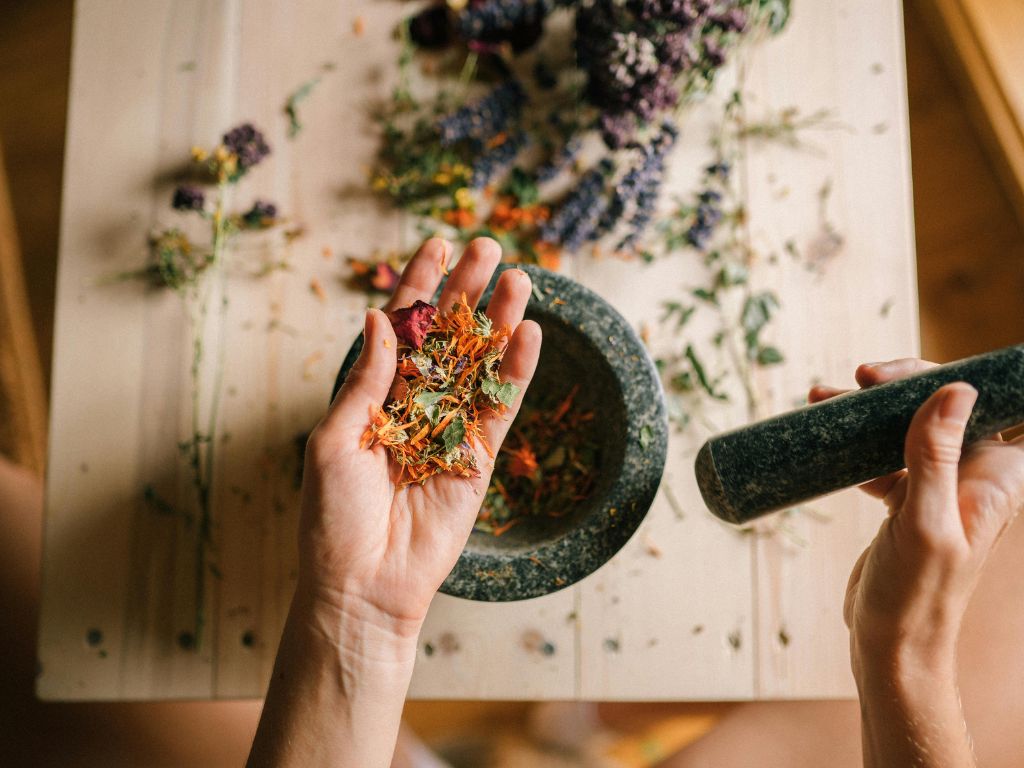
Little curiosities about Slovak herbs
- Nettle is one of the first spring greens to appear in the Slovak countryside - it was traditionally added to soups or teas.
- Chamomile used to be placed under pillows in Slovakia to support deep and peaceful sleep.
- Lime trees are protected in some Slovak villages and are often planted in town centres as symbols of unity.
- Lady's mantle gathers dew into its leaves every morning.
- Calendula petals were historically used to add a golden colour to homemade soaps and creams.
- St John's wort oil turns red as it infuses - a transformation that fascinated herbalists long before chemistry could explain it.