
In the world of natural cosmetics, and hair care in particular, rosemary water has quietly won everyone's attention. What was once a modest kitchen herb is today a much-loved hair tonic, used to refresh the scalp, bring back shine and support the overall health of your hair. But does it live up to expectations? How much of what is said about it is actually true? Let's look together at what makes rosemary water a lovely addition to your natural hair routine – how it works, how to use it and what you can expect over time.
What is rosemary water?
Rosemary water is usually a hydrosol or a herbal infusion made from the leaves of the Rosmarinus officinalis plant. In natural cosmetics it often appears in tonics, sprays or rinses for both skin and hair. Rosemary water is unique thanks to its naturally occurring aromatic compounds – such as cineole, camphor and rosmarinic acid – which give it its invigorating scent and refreshing feel.
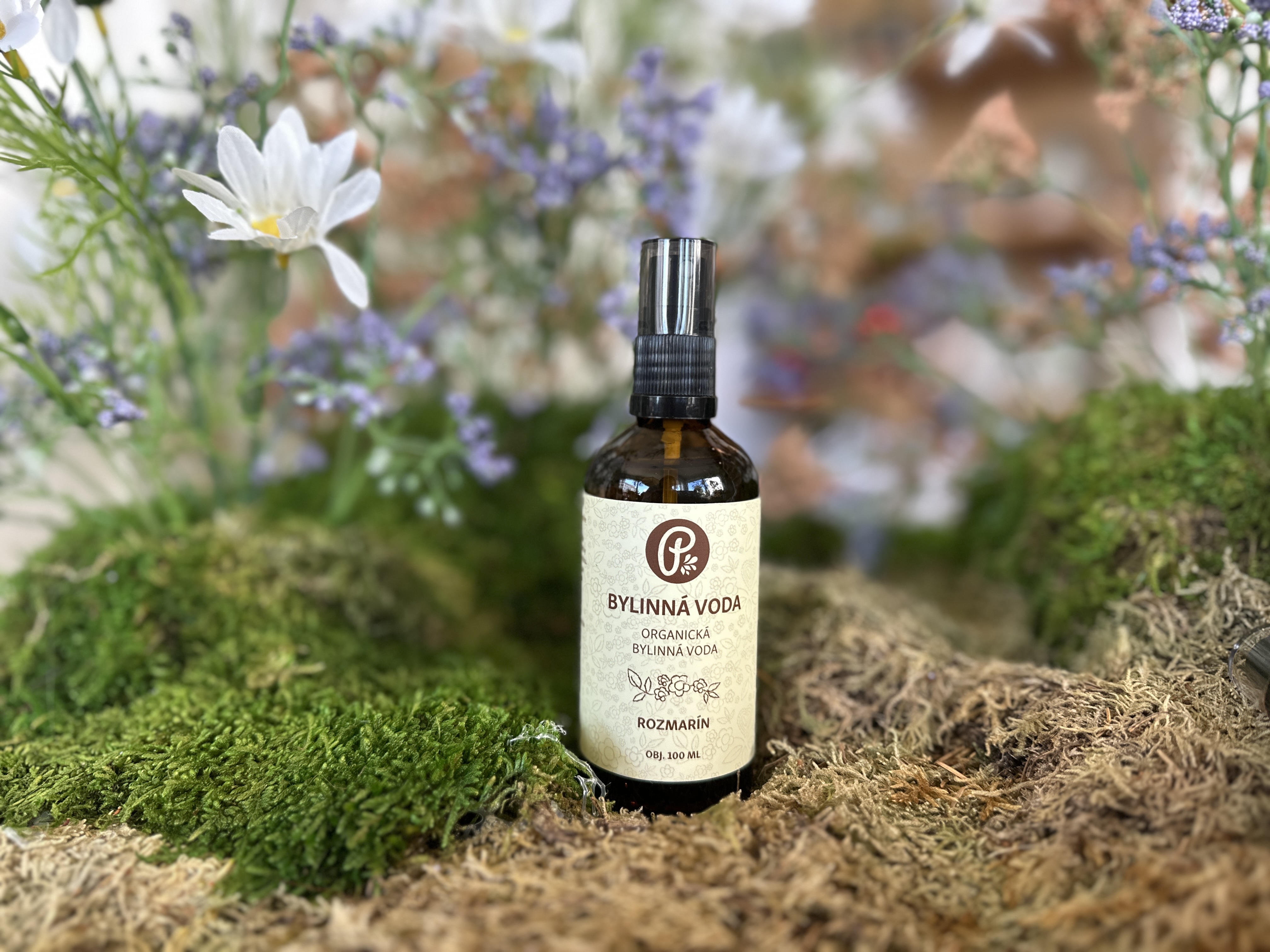
Why is rosemary water used on hair?
Interest in rosemary water for hair has grown beautifully, partly thanks to its long presence in Mediterranean traditions. People have been using rosemary rinses for generations, often reaching for them to cleanse the scalp, ease a build-up of flakes or bring a little strength back to tired roots. Although research into rosemary water is still limited compared with pharmaceutical solutions, its potential is hard to deny. It is chosen above all by those looking for a gentle, plant-based ritual for daily or weekly hair care. The refreshing scent and light texture make rosemary water a favourite part of a hair routine, especially when it is kept in a spray bottle for easy use.
How to use rosemary water on hair
The most common method is a leave-in mist or a scalp rinse. You can apply rosemary water to clean, damp hair or to a dry scalp – either after washing, or on the days in between. Some people massage it in with their fingertips to encourage absorption and awaken the scalp. The possibilities are wonderfully wide.
Rosemary water for hair is used as:
- A daily scalp spray for moisture and freshness
- A final rinse after shampooing
- An overnight hair mist (if you are using alcohol-free versions)
- A base for blending with other natural tonics, such as aloe vera or peppermint hydrosol
It is best to avoid applying rosemary water just before heat styling, because it is a water-based product and, if it is not allowed to dry first, it can cause steam damage.
The benefits of rosemary water in natural hair care
Although everyone's hair responds differently, rosemary water is most treasured for its sensory and balancing qualities. Many people describe a refreshed scalp after using it, less visible build-up over time, a clean and light feeling between washes, and the simple pleasure of its aroma. Unlike heavy oils or dense masks, rosemary water is light and absorbs quickly. It does not weigh hair down or leave greasy roots, which makes it lovely for all hair types, especially fine hair or an oily scalp. Natural hair care can contain a whole range of plant ingredients, including rosemary, nettle, lavender or basil.

Frequently asked questions about rosemary water for hair
Can rosemary water speed up hair growth?
This is the most frequent question – and the answer is nuanced. Rosemary has been studied in essential oil form for its possible role in stimulating hair follicles, but rosemary water (a diluted hydrosol) is far gentler. While it may help create a lovely environment for the scalp, it is not a miracle product. Patience and consistency matter most.
Is rosemary water safe for all hair types?
Generally, yes. Most people tolerate it well and it can be used on curly, straight, coloured or natural hair. As with any new ingredient, it is a good idea to do a patch test on a small area of skin – especially if you have very sensitive skin or known plant allergies.
Can I make rosemary water at home?
Yes, although commercial versions often use controlled distillation processes to preserve the natural compounds. A simple home version involves simmering fresh rosemary in water, letting it cool and straining it before use. Keep it in the fridge to stay fresh and use it within a week.
When to expect results
Do not expect miracles overnight. Natural hair care is about consistency, not instant fixes. With regular use (several times a week), many people notice a healthier scalp, better texture and easier styling within a few weeks. Rosemary water works best as part of a balanced routine that includes gentle shampooing, a nourishing diet, hydration and as little heat or harsh styling on the scalp as possible.

Interesting facts about rosemary water and hair
- The ancient Greeks considered rosemary sacred and used it in temples and in hair rituals.
- During the Middle Ages rosemary was a symbol of faithfulness – brides often wore it in their hair.
- Rosemary water has a naturally low pH, which makes it compatible with the acidic environment of the scalp.
- The plant's strong aroma is also known for naturally masking unwanted hair or scalp odours.
- A well-made rosemary hydrosol is clear to pale yellow and has a softly herbal scent – not overly minty or sharp.