
Russian cosmetics – why use them?
You have surely noticed products of Russian origin while “surfing” the internet or shopping in little organic stores. For some they are nothing new, yet there are many people who have never come across them. They are mostly preparations of a natural character, and I believe of very fine quality. Just look at how vast Russia is, what enormous natural riches it holds, and how those riches hide not only herbs long valued in tradition, but also all sorts of springs, stones, mushrooms and other gifts of nature.
Many people, whether with age or after various injuries, experience discomfort in their joints and muscles, and there is truly a wide choice of preparations of Russian origin traditionally reached for at such times.. Just as effective are the shampoos and other body-care preparations for skin that needs a little extra attention, and the creams and infusions of herbs, tried over many years and much experience, traditionally used in the care of blemish-prone skin – and we could go on naming a whole range of everyday concerns.
Among the most common complaints of the joints and muscles are aching joints, knees and shoulders, or worn cartilage.
Why are herbal Russian creams traditionally reached for at such times?
Traditional Russian medicine had several approaches to care. First I would point out the best known of them – care with herbs or mushrooms. The preparations were made as teas, decoctions, compresses, baths, by steeping or macerating in alcohol or oil, and from these they then also made herbal creams and balms. And here lies the heart of why we are drawing your attention to Russian cosmetics in particular. Some of the herbs are well known in Slovakia too for their soothing and comforting reputation (coltsfoot, nettle, dandelion, ribwort, comfrey), while others are found only in Russia. Because traditional Russian medicine embraces the idea of family healing, handed down since time immemorial in their culture, we too decided to bring Russian preparations into our range for their long-standing place in tradition. The products have certainly not disappointed us, we have wonderful feedback from customers, and with regular use they are said to bring comfort and ease. Russian herbalists have always seen nature as a great healer and herbal plants as fine helpers in caring for the whole body. Traditional Russian medicine has a long history and holds the nation's many years of experience in methods and means of care, passed down from generation to generation. The plants were easy to come by and yet they were approached with respect – each one has its time of gathering, its way of drying and of keeping
Let us look together at a few of the best-known herbs that Russian herbal creams contain. The most familiar one here at home is common comfrey. It is unique in the way tradition has valued it for bones and joints. Where joints are concerned, few plants have such a place in folk tradition as common comfrey, which is why it is used in a number of herbal creams. Comfrey became known above all for the way tradition turned to it for the skin; it was also reached for with sprains and aching ankles, and during recovery. Comfrey's lovely reputation is linked to its high content of allantoin, which is known not only for its cleansing and soothing character, but is also said to have a unique ability to encourage the formation of new, healthy cells in any tissue. Where joints are concerned, comfrey is traditionally used to soothe and calm, and above all it is said to support the processes of renewal in the cartilage.
Most of us could probably use that for some part of the body, don't you think?
You can order Russian cosmetics in our e-shop
Typical ingredients in Russian cosmetics
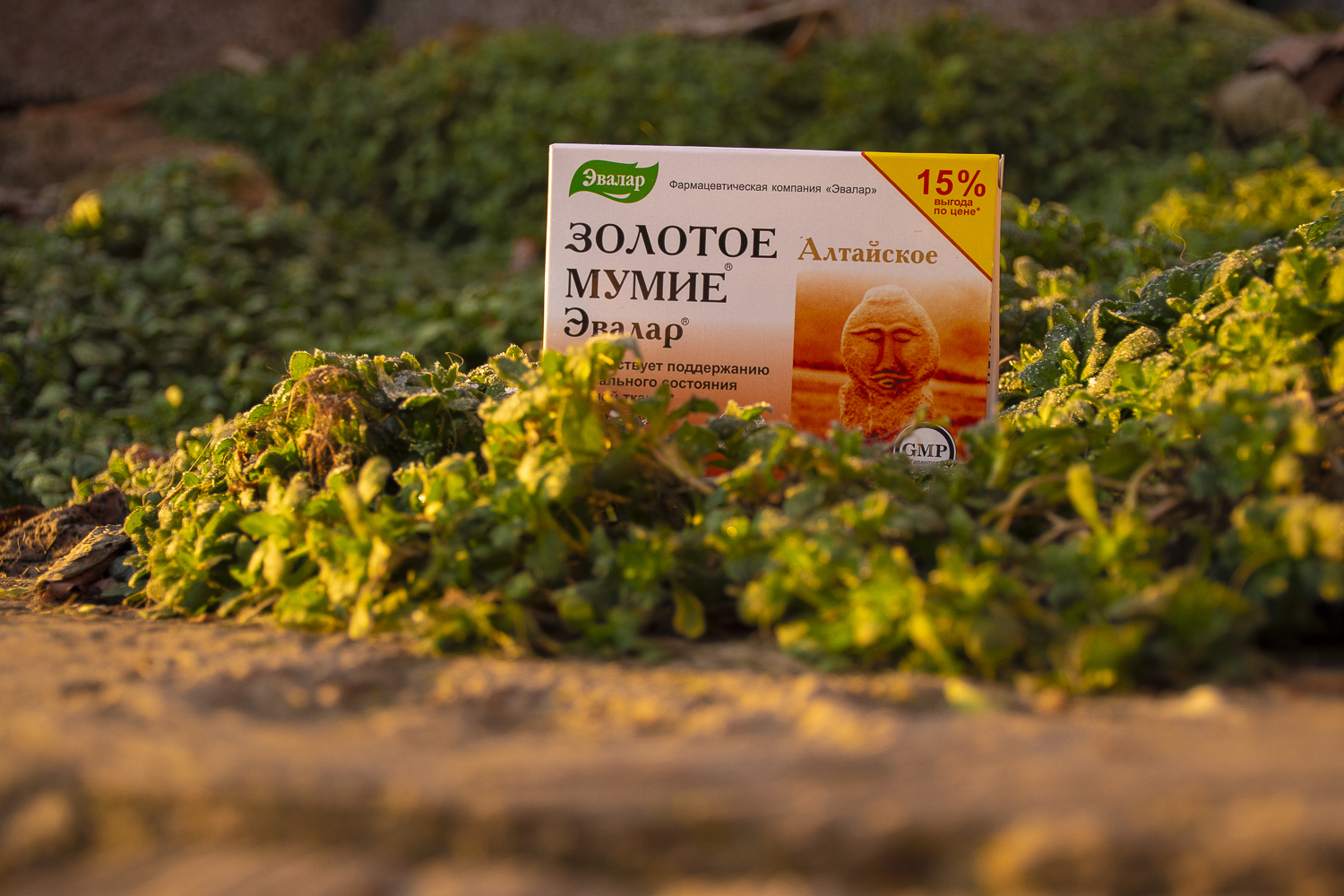
- Mumijo a unique natural biostimulant, traditionally said to support the processes of renewal in the joints and in cells and connective tissue, with a soothing and generally strengthening reputation.
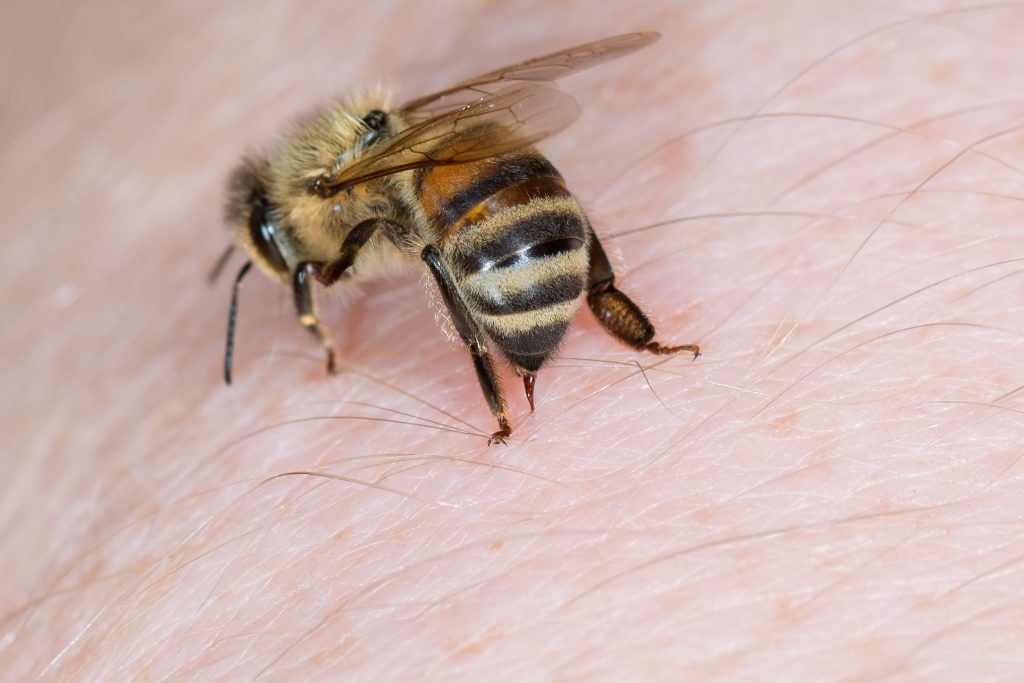
- Bee venom has a marked soothing, warming, comforting and cleansing reputation; it is traditionally said to encourage blood flow, support the metabolism of the joints and nourish the tissues around them. By increasing the permeability of the skin, it is said to help the caring ingredients reach deeper into the area that needs them.
- Badger fat is traditionally used to soothe aching joints and the muscles around them; in folk tradition it is said to calm and to ease swelling in the joints, to strengthen the ligaments both inside and around the joint, to help the joint move as it should, to improve the suppleness of the joints, to restore the working of the muscle around the joint and to improve flexibility.

- Snake venom is again traditionally valued, thanks to its exceptional character, for its marked comforting and soothing reputation. It is said to encourage circulation. It is traditionally associated with the renewal of worn cartilage. It is said to ease swelling and to draw away excess fluid. of the muscle fibres around the joint, to nourish those muscles, ligaments and tendons – and there are many other lovely herbal ingredients we could spend another two days simply naming.
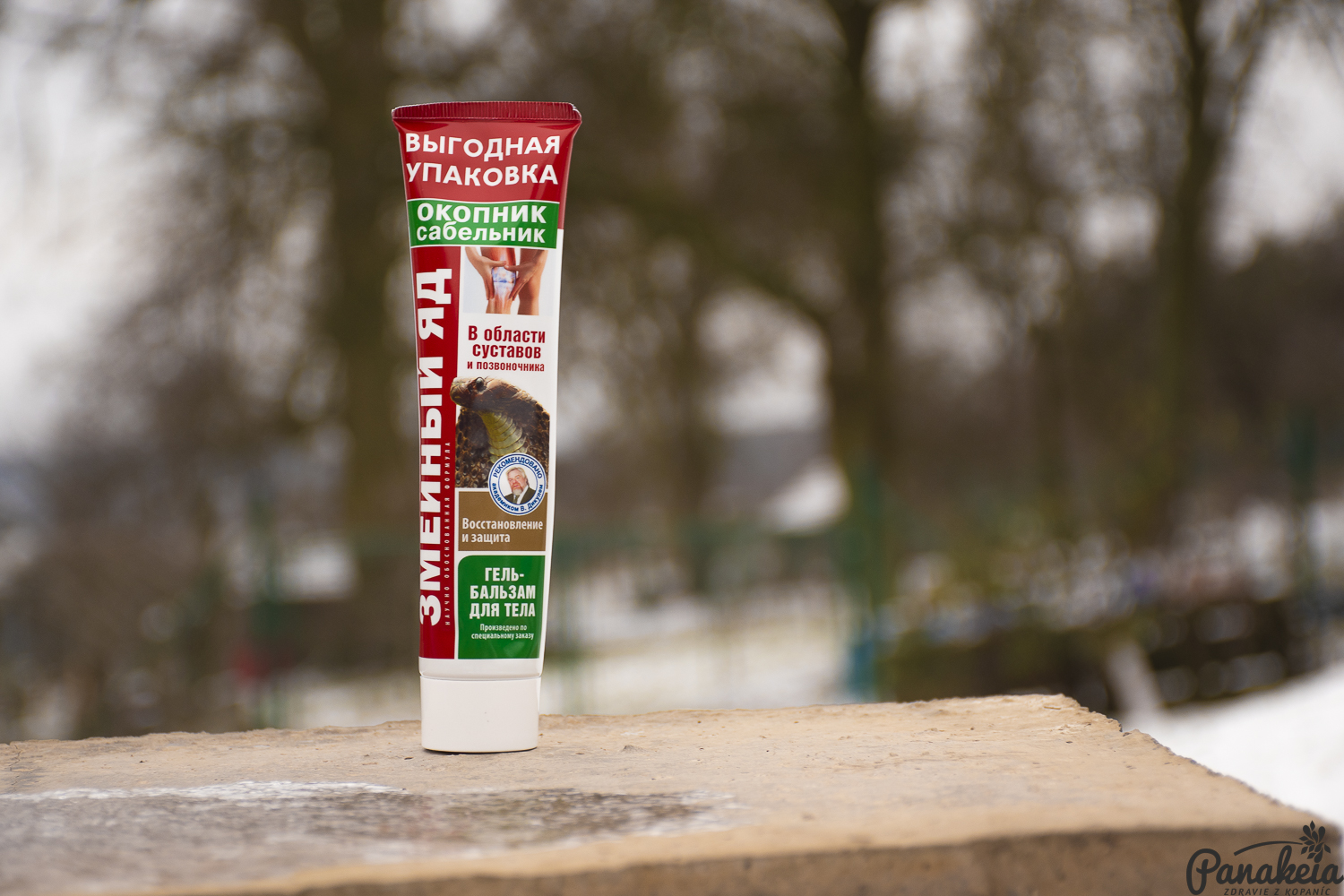
Among our best-selling creams is the Balm with snake venom, comfrey and marsh cinquefoil, thanks to its truly effective combination of traditional herbs together with snake venom. It is wonderful for soothing aching, tender joints. It is also traditionally used to support the renewal of tissue, to help ease swelling and to bring more ease of movement to the joints and the spine.
You can get the Balm with snake venom, comfrey and marsh cinquefoil here
Will you give it a try?