
The vascular system is a remarkable network of interwoven arteries, veins and capillaries. On one hand, their task is to carry blood, nutrients and oxygen throughout the body; on the other, to carry waste and unwanted substances away. Clean, freely flowing vessels are the foundation of a good cardiovascular system.
But how can we keep them in lovely condition? Our circulatory system – also called the cardiovascular or vascular system – fulfils a whole range of roles in the human body. Besides carrying oxygen to the tissues, it distributes nutrients from the digestive tract through the liver to all the organs, carries waste substances to the kidneys and to the skin, and helps to regulate temperature. The wellbeing of our cardiovascular system depends to a large extent on how clean and freely passable our vessels are. Deposits that build up in the vessels are associated with a higher risk of stroke and heart trouble. Happily, there are gentle ways to care for vessels that have become congested. Atherosclerosis is a condition in which the vessels gradually narrow, because of accumulated deposits. This can mean restricted blood flow, and therefore less oxygen reaching vital organs. The hardening of the vessels begins slowly and step by step.
How can we look after them?
The most important things are a wholesome, balanced diet, plenty of movement – ideally in the fresh air – and keeping to a comfortable weight. So prevention begins on the plate. One very interesting food for the vessels is buckwheat. Buckwheat is exceptional mainly for its rutin content (vitamin P). Rutin is traditionally associated with the suppleness of vessels and the strength of their walls. In folk use it has long been reached for in connection with varicose veins, a tendency to bleeding (from the nose or the gums) and heavy menstruation. In the body rutin works together with vitamin C. If you want to make the most of one of them, it is worth keeping an eye on your intake of the other. We ourselves decide how clean and supple our vessels are and how well our heart feels. No miracle remedy exists; it is through the way we live and eat that we can ease the risk factors. Here are a few herbs that are wonderful for the vessels – though without giving up smoking and the bacon you chew for dinner, they certainly will not do the work for you. /Even though a little home-made bacon for dinner now and then does no harm./
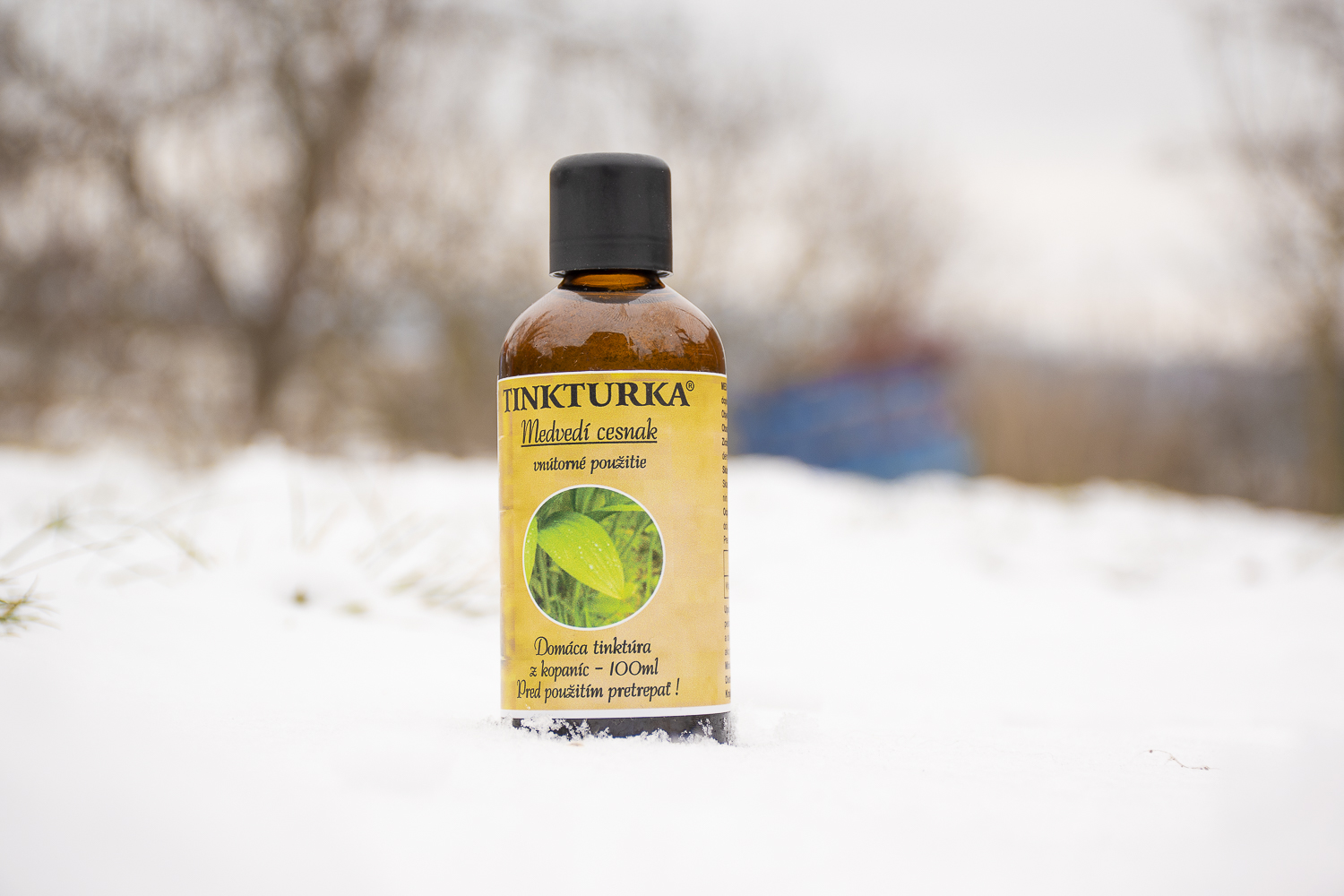
- The best-loved cleanser of the vessels is garlic, especially the wild-growing kind – wild garlic, above all in the form of a tincture. Wild garlic is traditionally used in connection with the hardening of the arteries and is said to help keep the vessels clear. It has also long been reached for to ease mucus in the lungs.
You can find the wild garlic tincture here
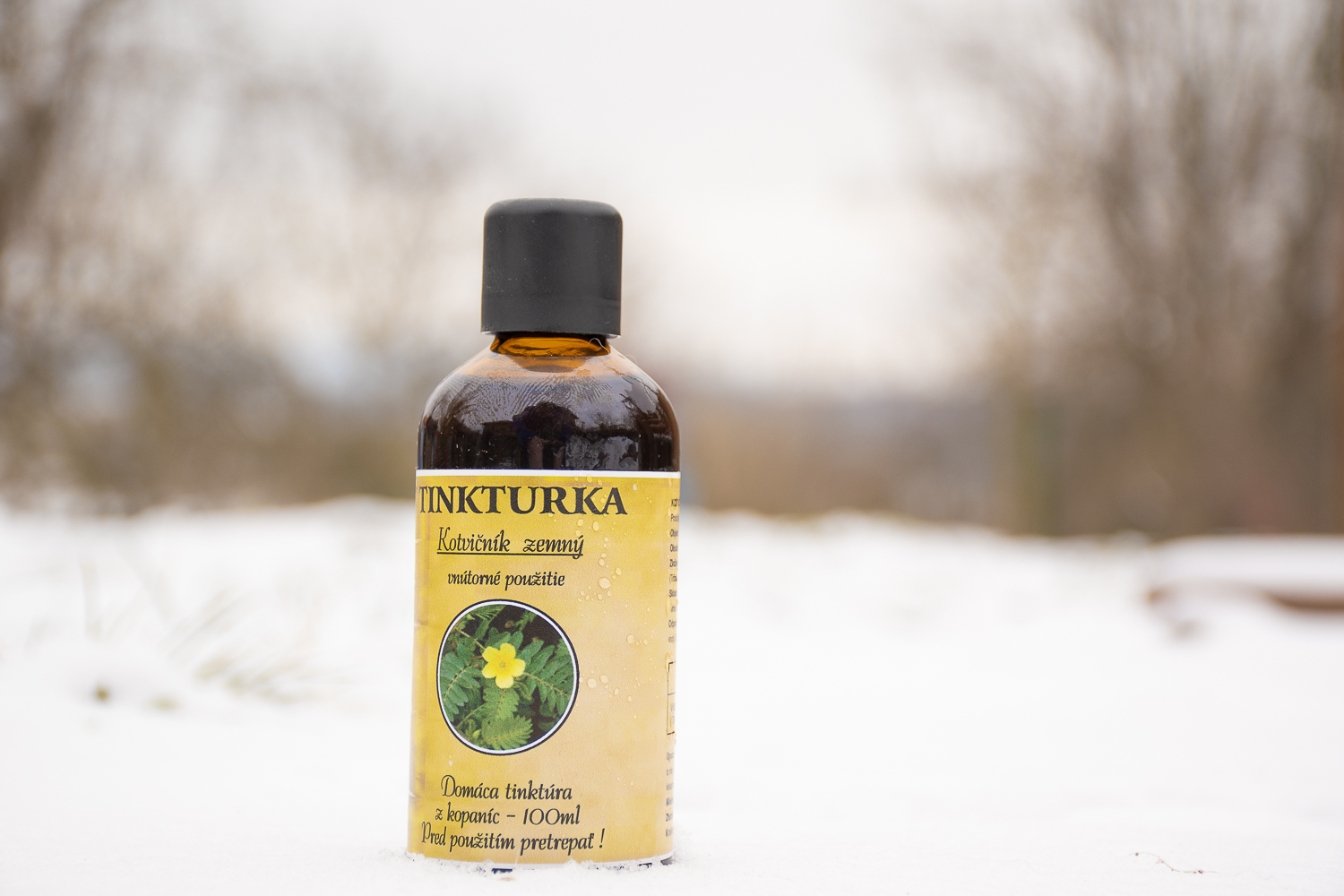
- Tribulus terrestris is said to open up the vessels in its own unique way. Traditionally it has been associated with cholesterol levels and with balanced blood pressure (it is used in folk practice in connection with the cardiovascular system).
You can find the Tribulus terrestris tincture here
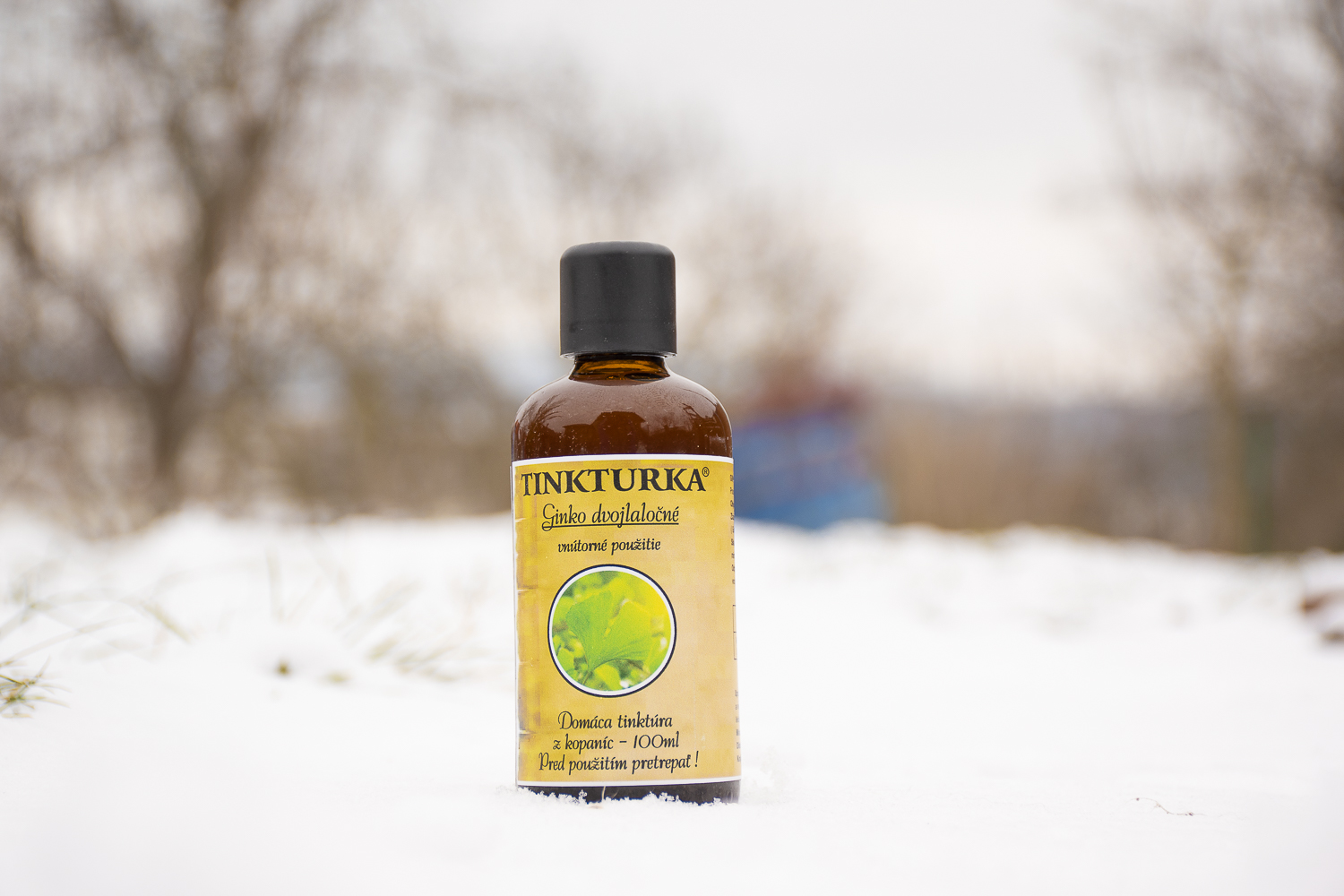
- Ginkgo biloba is traditionally cherished for the circulation and is said to open the vessels /above all in the head/; in folk use it is reached for as a gentle support of the heart and the head. When taking ginkgo it is worth knowing first what a person’s blood pressure is like. Ginkgo is said to widen the vessels, which suits those whose vessels are congested with atherosclerotic deposits, as the flow of blood through the vessel then increases. That is why ginkgo is traditionally linked with better circulation. Do take care, though: if someone has very low pressure, it may drop even further after ginkgo, and the circulation may in fact decrease.
You can find the Ginkgo biloba tincture here
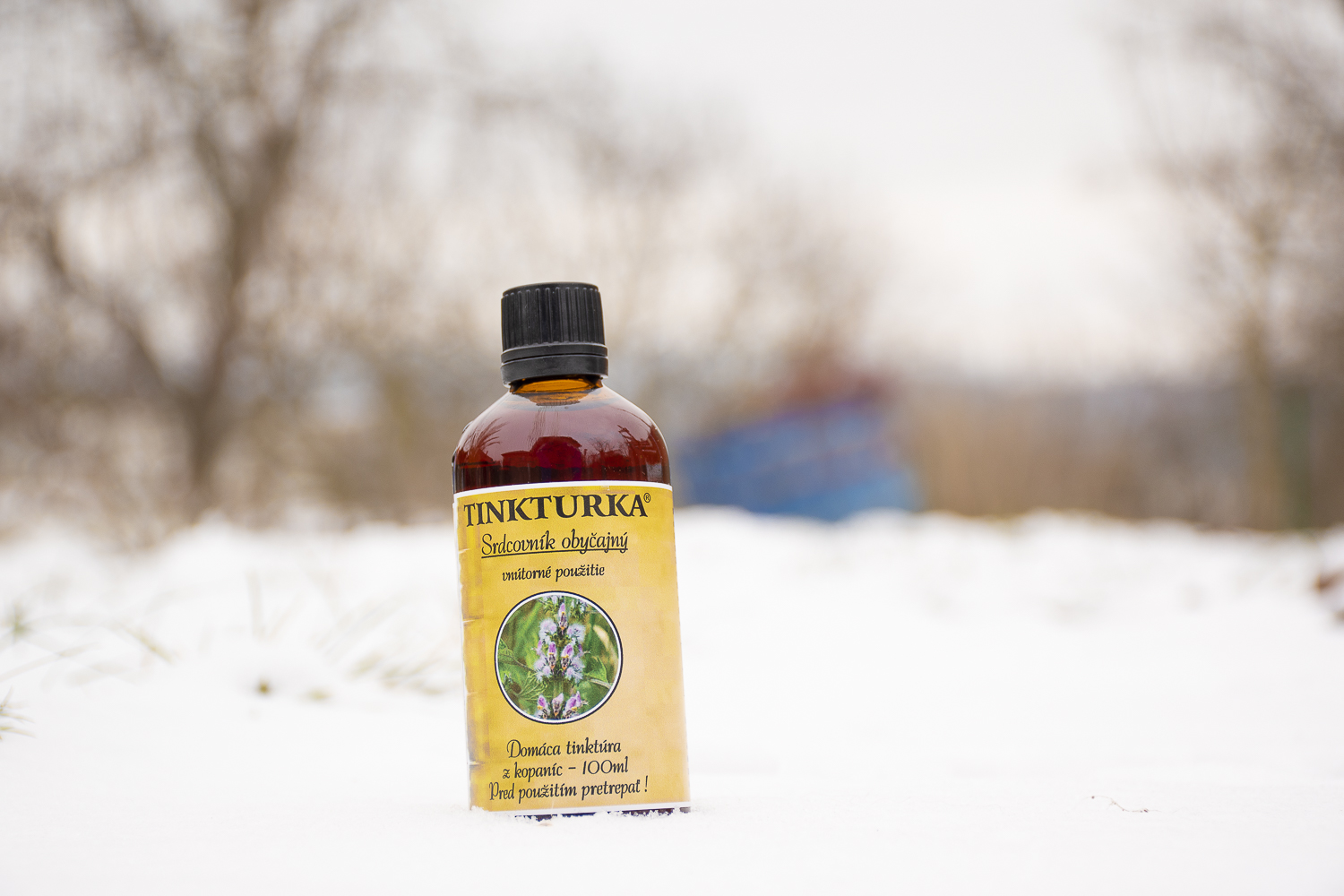
- Motherwort is traditionally reached for in matters of the heart. As its very name suggests, common motherwort (Leonurus cardiaca) is a plant long associated with the heart and the cardiovascular system.
You can find the motherwort tincture here
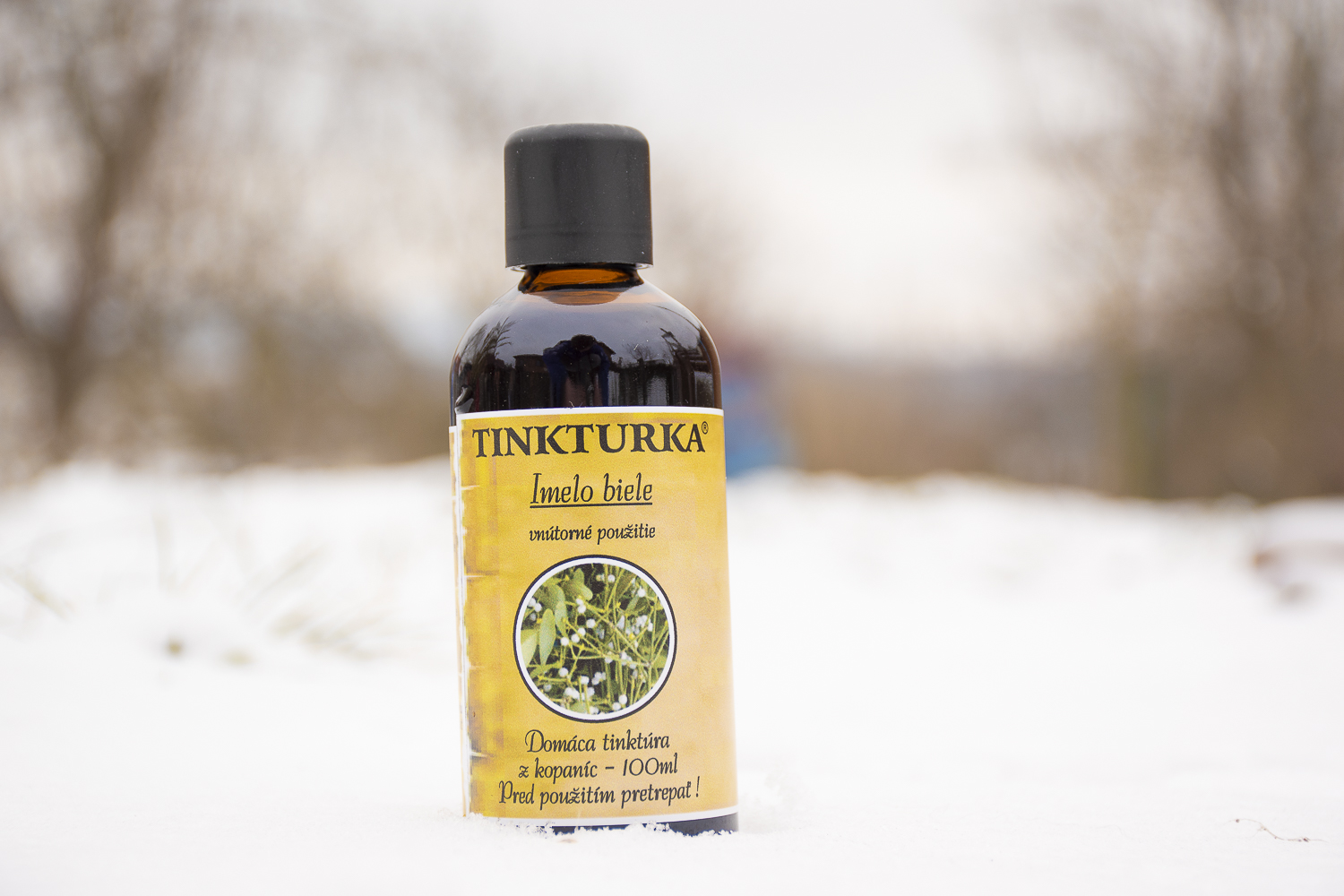
- European mistletoe is traditionally associated with balanced blood pressure, a calm heart and with the thyroid gland. In folk use its best-known role is the gentle regulation of blood pressure, which it is said to achieve by softening and carrying away calcium deposits in the vascular system.
You can find the European mistletoe tincture here
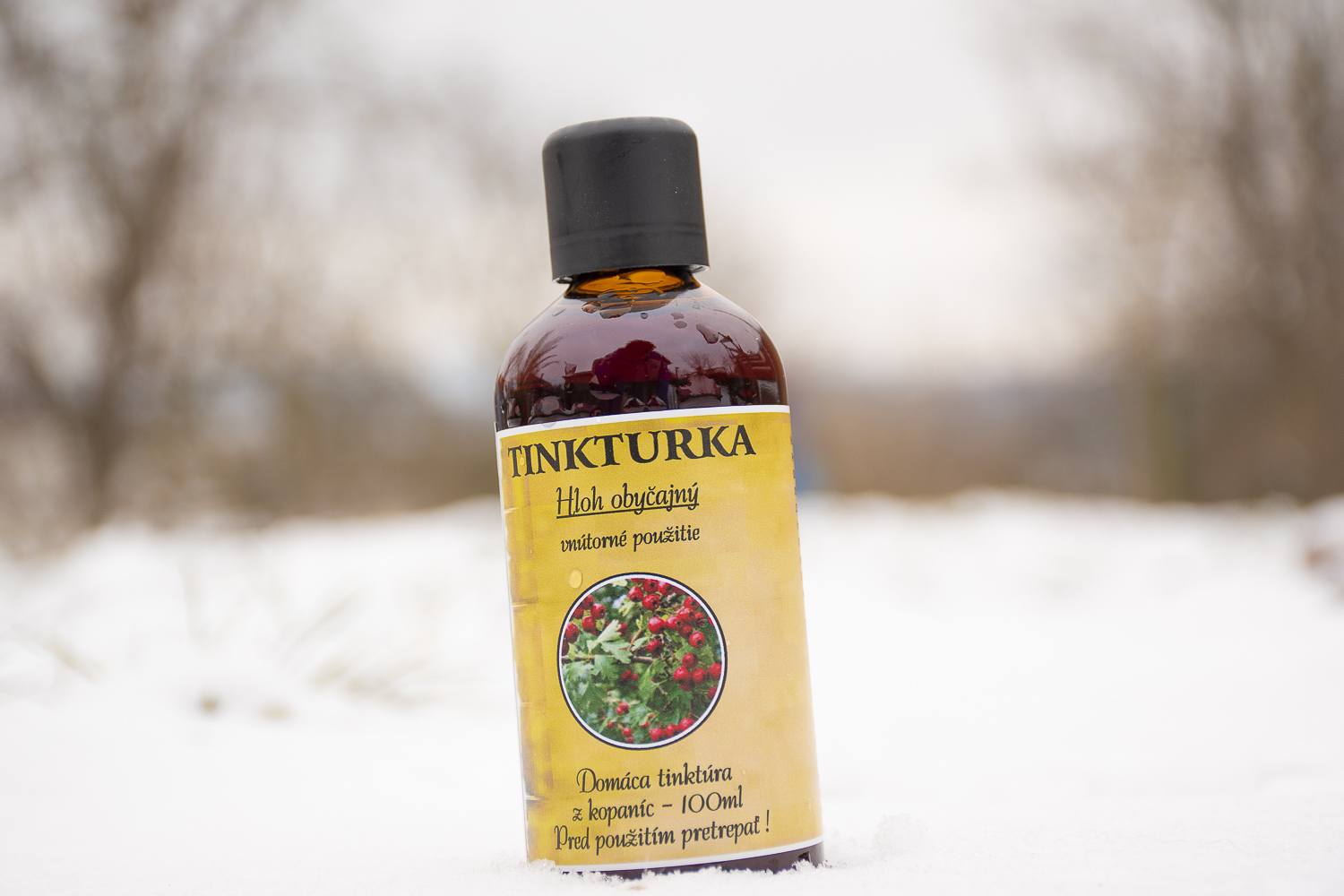
- Common hawthorn is traditionally cherished for the work of the heart, for balanced blood pressure and for its calming touch. Hawthorn is said to support the free flow of the coronary vessels of the heart. If for any reason (most often because the coronary vessels of the heart become congested) the supply of oxygen to the individual tissues of the heart is reduced, the heart is left under-nourished with blood.
You can find the hawthorn tincture here
- Red clover – a seemingly unremarkable little plant. Do not let it fool you, though: clover is traditionally associated with the work of the heart and with the elasticity and firmness of the vessels and capillary walls.
You can find the red clover tincture here

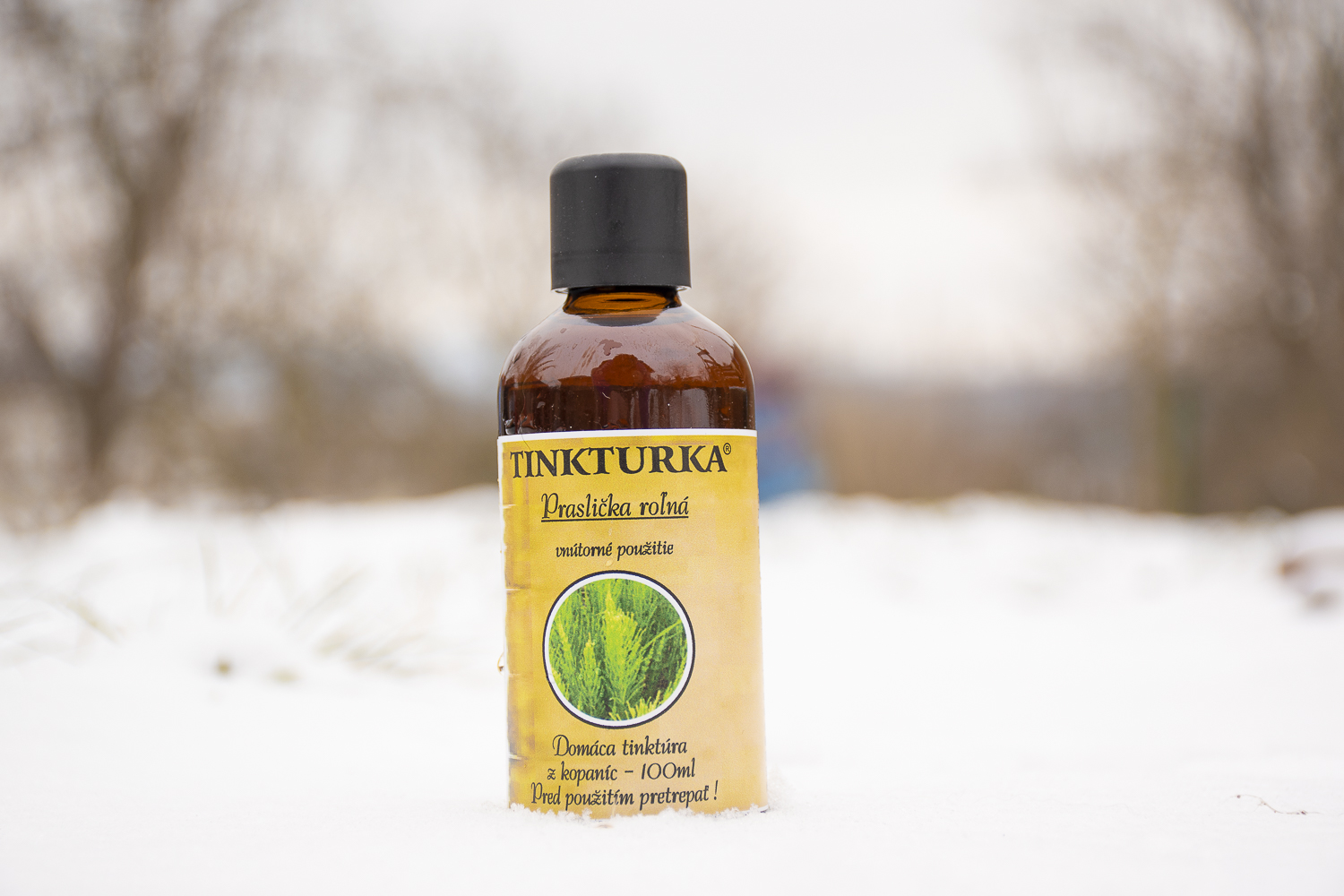
- Field horsetail also touches cardiovascular wellbeing – especially the elasticity of the vessels.
You can find the field horsetail tincture here.
- Horse chestnut, a tincture from the flowers, not from the fruits. It is traditionally said to open the vessels and to soften the clotting of the blood. To keep your vessels feeling well, firm and supple, it is enough to take a few simple principles to heart. You do not need expensive supplements that promise miracles on demand. The true wonder for healthy vessels is nature and everything she offers us.