
In recent years, the health of the digestive tract has moved to the very centre of attention of doctors, scientists and lovers of a healthy lifestyle alike. Terms such as microbiome or gut flora are on everyone's lips, and for good reason – modern science shows ever more clearly that our gut is literally a second brain, the control centre of our immunity and even a mirror of the beauty of our skin.
Two words are inseparably linked with the topic of healthy, well-functioning digestion. They sound almost identical, yet they play completely different roles in the body: probiotics and prebiotics. Although the media, food packaging and supplement advertising often mention them in one breath, they are far from being the same thing.
So what is the real difference between them? Imagine your gut as a vast, thriving garden. For this garden to grow, bloom and bear fruit, you need two absolutely essential things: quality seeds from which strong plants will grow, and nourishing fertiliser that helps them survive and grow amid the competing weeds. In this analogy, probiotics are the plants themselves (the seeds), and prebiotics are the finest, indispensable fertiliser.
Let us look at both of these elements in more detail, add one important new piece of the puzzle, and explain why optimal health calls for a complete, holistic approach.
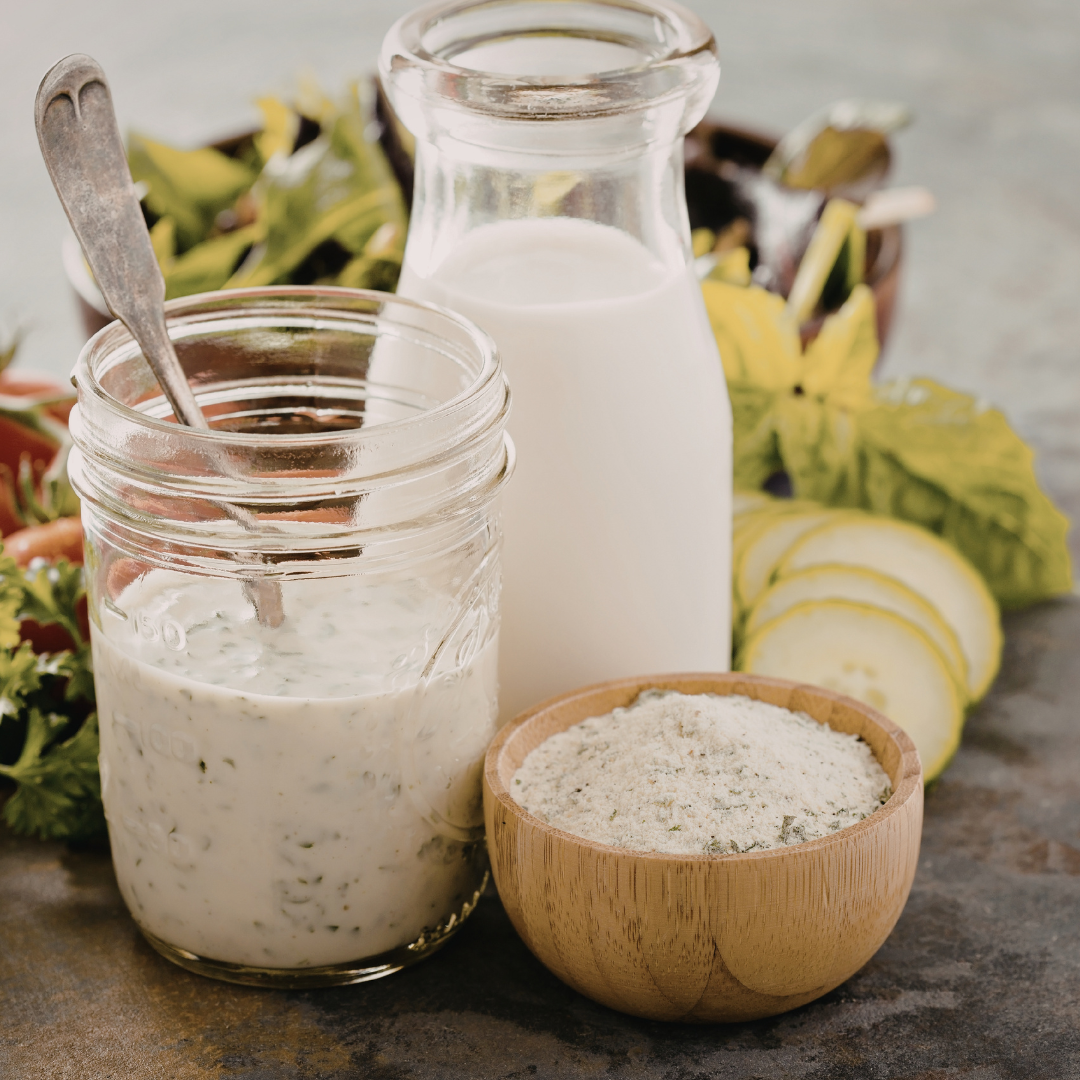
What are probiotics?
Probiotics are living microorganisms – above all bacteria and certain species of beneficial yeasts – which are said to have a favourable influence on our health when they are consumed and maintained in sufficient amounts. They naturally inhabit our digestive tract, where they form an incredibly complex ecosystem.
Trillions of bacteria live in our body. Some of them are potentially harmful (pathogenic), others are neutral, and still others are key to our survival and everyday functioning. Probiotics belong to that third group. They are little helpers that keep pathogens in check, protect the gut wall and support the smooth running of many biochemical processes.
The main types of probiotics
There is a vast number of different strains of probiotic bacteria, and each strain has a slightly different job in the body. Most often, though, we meet two main genera:
- Lactobacillus: This is probably the best known and most researched type of probiotics. It occurs naturally in yoghurts and other fermented foods. Various strains of this genus are traditionally associated with easing digestive discomfort and are said to be a great help for people who do not digest lactose (milk sugar) well.
- Bifidobacterium: We find this genus mainly in the large intestine. It is traditionally associated with supporting the immune system, is said to bring relief to those with irritable bowel syndrome (IBS), and gently limits the growth of unwanted, putrefactive bacteria.
Where do we find probiotics, and what to watch out for?
The most natural source of probiotics is fermented food. The process of fermentation, which our ancestors commonly used to preserve food, is in fact a perfect way to multiply these beneficial bacteria. It includes quality plain yoghurt and kefir, unpasteurised sauerkraut, Korean kimchi, kombucha, and fermented soy products such as miso and tempeh.
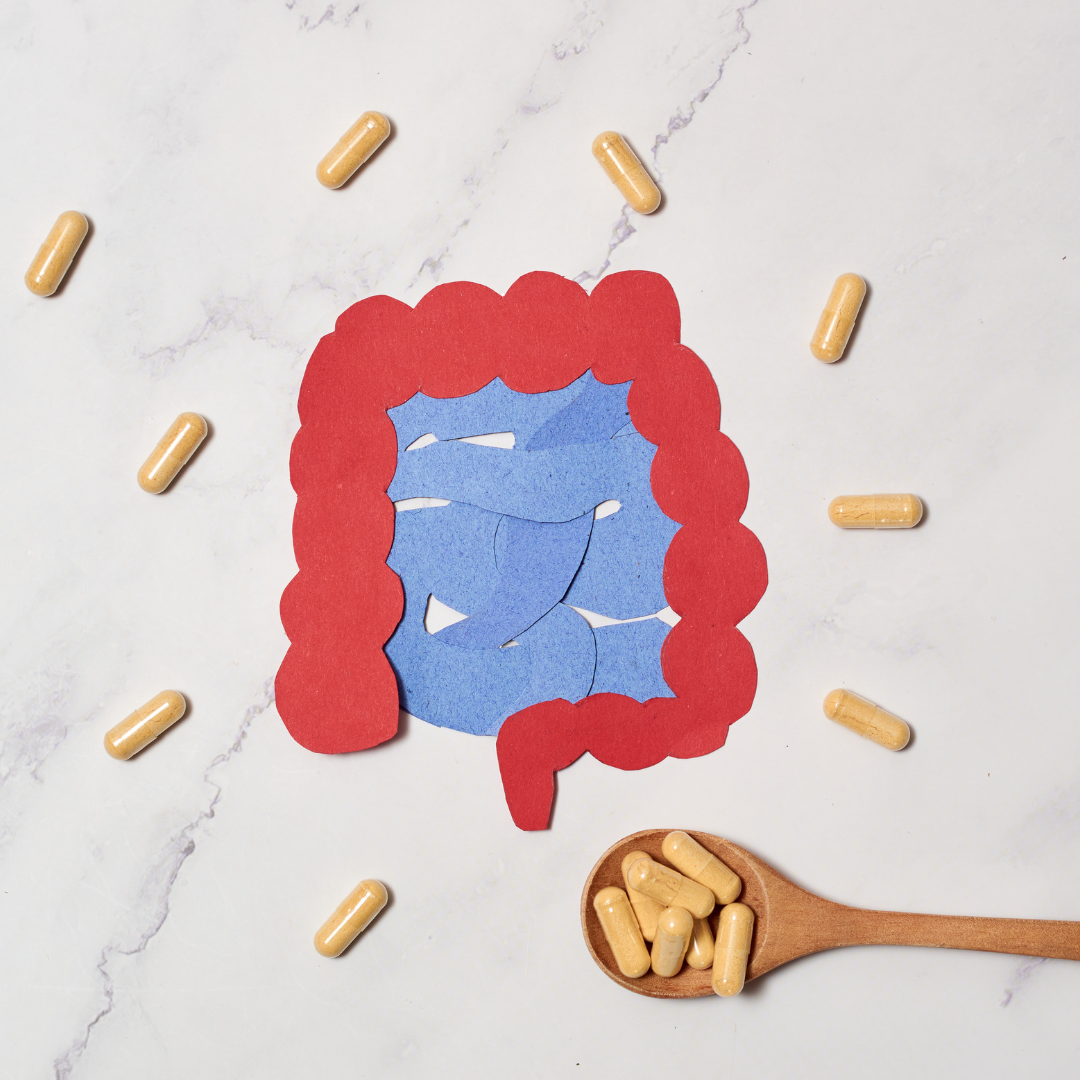
If you decide to reach for probiotics in the form of food supplements, be especially discerning about their quality and the way they are processed. Just as with vitamins, where modern liposomal technologies wrap the active substance to protect it from being degraded in the stomach and to help it be genuinely absorbed, with probiotics too it is crucial that the bacteria survive. The aggressive environment of stomach acids can destroy ordinary strains immediately. Capsules with controlled release are therefore a necessity here.
What are prebiotics?
While probiotics are living organisms, prebiotics are not alive. From a chemical and biological point of view, they are specific kinds of indigestible fibre and complex carbohydrates. The human body does not have the enzymes needed to break prebiotics down and digest them directly. That is why this fibre passes through the stomach and the whole small intestine almost unchanged. It reaches its destination only in the dark, dense environment of the large intestine, where the probiotic bacteria are already waiting for it eagerly. Prebiotics serve them as the finest fuel. The bacteria ferment this fibre, gaining energy from it, so they can multiply, crowd out pathogens and thrive.
Where do we find prebiotics?
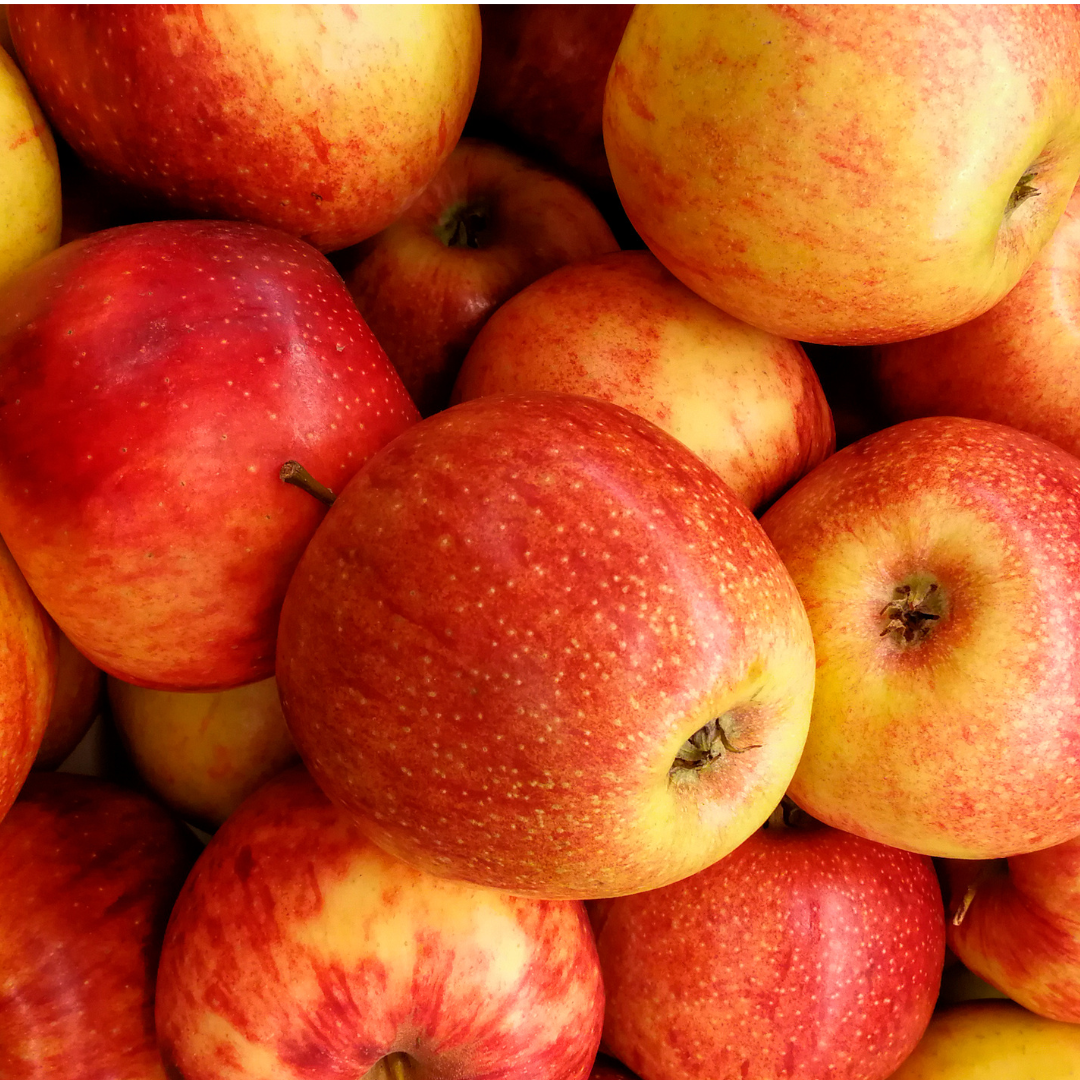
Unlike probiotics, we look for prebiotics mainly in plant-based food. Excellent sources are chicory root, Jerusalem artichoke, garlic, onion, leek, asparagus and oats, as well as ordinary apples (especially their skin, which contains pectin) and slightly green bananas rich in resistant starch.
Green superfoods are another wonderful and remarkably effective source of prebiotics today. Green barley or quality chlorella, for instance, are not in fashion only for their high content of chlorophyll, vitamins and minerals. Thanks to their unique composition, they work in the gut as a first-class prebiotic that creates an ideal environment for healthy microflora to grow.
Nor can we leave out the return to traditional ways of preparing food. A wonderful example from everyday practice is baking with a homemade sourdough starter. While fast industrial yeast merely makes the bread rise, the slow fermentation of the dough with a traditional starter breaks down antinutrients and changes the structure of the grains. The result is bread that is much friendlier to our microbiome.
The wonder called postbiotics
Today the expert discussion is moving one step further, and a third term enters the picture – postbiotics. What are they?
When the good bacteria (probiotics) "eat" and ferment the fibre (prebiotics), they do not produce only energy for their own growth. The result of this feast, that is, the by-product of their metabolism, are bioactive compounds, the most important of which are short-chain fatty acids.
Postbiotics are the real reason why we feel good after eating healthy food. They are said to have very strong anti-inflammatory effects, are traditionally associated with supporting the health of the large intestine, help keep blood sugar levels balanced and have a direct influence on our systemic immunity.
The gut–skin axis: why the microbiome is the loveliest strategy for your skin
Everything in our body is deeply interconnected. Our organisms do not work as a set of isolated organs, but as one complex, intelligent system. The concept of the Gut-Skin Axis is a perfect example of how invisible inner processes unerringly shape our outer appearance.
The future of caring for beauty and health no longer lies only in surface solutions, but in building a thoughtful inner strategy. The state of your microbiome is directly mirrored in your skin. Inflammation, persistent acne, rosacea, chronic eczema or even premature ageing of the skin often do not begin on the surface of the face, but precisely with dysbiosis (an imbalance of bacteria) in the digestive tract.
When the gut barrier is disrupted – for example by stress, a lack of prebiotic fibre or unsuitable food (a state known as leaky gut syndrome) – toxins and unwanted substances pass into the bloodstream. The body responds to this threat with systemic inflammation. And since our skin is the largest organ of the body, this inner alarm shows on it immediately.
Each of us has a completely unique microbiome composition – it is as individual as our fingerprint. That is why bringing your skin to its healthiest calls for a highly individual approach, not for applying one single cream to everyone. Beautiful cosmetics and excellent active ingredients (such as retinol or vitamin C) can work wonders from the outside. Yet if you thoughtfully support them with a well-nourished microbiome from within, you gain the most effective, synergic tool for truly healthy, radiant skin. Skin that has strong support in the gut can hydrate itself better, regenerate more easily and defend itself more effectively against outside influences.
Why you need the concept of synbiotics
You can buy the most premium probiotic strains and eat plain yoghurt by the kilo. But if you do not give these bacteria the right food in the form of prebiotics, they will not survive long in your gut. Without food they simply starve, die off, and your effort comes to nothing.
The key to success is combining the two. The concept of deliberately joining probiotics and prebiotics in a single meal is professionally called a synbiotic.
What does a synbiotic meal look like in everyday life?
- A bowl of oat flakes (prebiotic) with quality plain yoghurt (probiotic).
- A banana (prebiotic) sliced into homemade kefir (probiotic).
- Sautéed onion and garlic (prebiotic) served with fermented soy tempeh (probiotic).
A wider influence on health: the connection does not end with the skin
- Immunity first: as much as 70 to 80 % of our immune system is located and shaped in the gut. Probiotics are in constant conversation with our immune cells and teach them to recognise real enemies correctly.
- The gut-brain axis: our gut and brain are in constant contact through the vagus nerve. Did you know that as much as 90 % of serotonin (the happiness hormone) is created in the digestive tract? A healthy microbiome influences our mood and our resilience to stress.
A holistic strategy for your body
Building a healthy microbiome is not a matter of one miracle tablet. It calls rather for the principles of slow living – a mindful approach to what we put on our plate, a return to honest traditions and the ability to see the connections.
The basic rule for your gut is diversity. The more colourful the palette of plant foods, local vegetables and quality superfoods you enjoy, the more varied and stronger the strains of bacteria you can nourish in your body.
Begin to build your own personal health strategy. Plant the right seeds in your inner garden, choose your fertiliser with care and give the whole system time to regenerate. Your body – from effortless digestion, through quiet inner strength and a calm mind, all the way to beautiful skin – will thank you for this investment for a long time to come.