
As soon as the thermometer passes twenty-five degrees and the sunlight grows stronger, many of us hurriedly tuck our beloved little bottles of retinol into the darkest corner of the bathroom cabinet. The myth that retinol and sunshine simply do not belong together is so deeply rooted in the beauty world that we often take it as an unchangeable fact. But is it truly necessary to interrupt this rejuvenating routine for three whole months and lose the results we have worked so patiently for?
The answer is far from being as black and white as it might seem. If you wish to avoid pigment spots, premature ageing and irritation while keeping your skin radiant and firm, it helps to know the rules of the game. Let us dive together into the world of dermatology and find out what retinol actually is, who it is made for, why we fear it so much in summer and how to work with it safely even during the warmest months of the year.
What is retinol and what magic can it do on a cellular level?
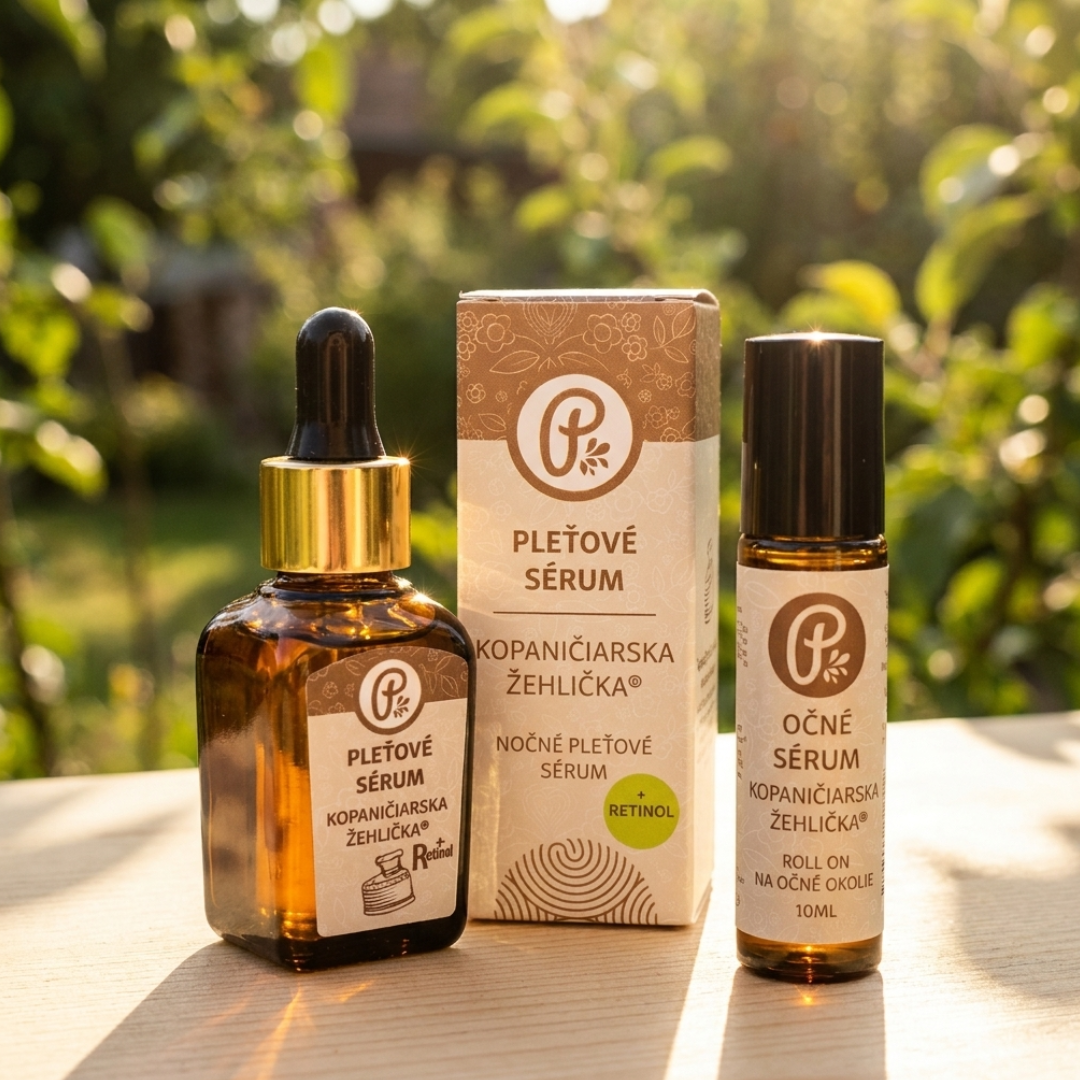
Retinol, rightly called the gold standard in anti-ageing care, is one of the best clinically researched and most celebrated cosmetic ingredients of our time. While many other active substances (ordinary hydrating ingredients, for example) work only on the very surface of the skin, retinol has the unique ability to reach deeper – all the way into the middle layer of the skin called the dermis. Its main role is cell communication and the stimulation of cell renewal. Put simply, retinol literally tells the ageing cells of your skin to begin behaving as younger, healthier ones.
What exactly happens beneath the surface of your skin?
- Quicker exfoliation: Retinol speeds up the natural process of removing dead skin cells. The cells renew themselves faster, which keeps them from gathering on the surface.
- A collagen factory: It stimulates the fibroblasts (the cells responsible for creating connective tissue) to produce collagen and elastin more abundantly. These two proteins form, put simply, the scaffolding of our skin and keep it firm and supple.
- A change in structure: The result of long-term use is a paradox that is key for the health of the skin – the upper layer of the skin (the epidermis), made of dead cells, becomes thinner and smoother, while the lower, living layer (the dermis) becomes thicker and more resilient to the forming of lines.
Which form is the loveliest for you?
The word retinol is often used as an umbrella term for the whole family of retinoids, yet in reality there are several forms of vitamin A. Knowing them is key precisely in the summer months:
- Retinyl esters (Retinyl Palmitate, for example): The mildest and gentlest form. It takes the skin a long time to convert it into active retinoic acid. It is ideal for complete beginners, or for the summer months for people with extremely sensitive skin.
- Retinol: The classic we find in most over-the-counter serums. It is effective, yet it asks for patience.
- Retinal (Retinaldehyde): It is up to 11 times faster than classic retinol, because only one step separates it from the active form. It has excellent antibacterial properties, which makes it a star for acne-prone skin.
- Retinoic acid (Tretinoin): The pure, active form, available only on prescription. This is the strongest of them all, and one to treat with particular care in summer.
What is it used for and who is it meant for?
Retinol is not merely an ordinary substance against lines for mature women. It is a multifunctional hero that addresses a whole spectrum of skin concerns:
- Anti-ageing (rejuvenation): It smooths fine lines wonderfully, softens deeper lines and helps prevent new ones.
- Hyperpigmentation and spots: Thanks to quicker cell renewal, it helps to gradually shed unwanted pigment spots (whether after the sun or after acne) and evens out the tone of the skin.
- Acne and skin texture: In medicine, retinoids were originally developed for caring for acne. They keep dead cells from gathering in the pores, balance the production of sebum and visually refine the pores.
Who does it suit?
Almost everyone can enjoy the benefits of retinol. It is generally recommended to welcome it into the evening routine around the age of 25, when the natural production of collagen begins to fall by roughly 1 % a year. Retinoids are, however, an absolute no for pregnant and breastfeeding women (because of the risk to the baby), and conditions such as severe rosacea or acute eczema call for great care.
Retinol and summer – is it recommended, or is it a risk?
Here we come to the heart of the matter. Why is retinol so demonised in summer? The main reason is that by removing the upper layer of dead cells more quickly, the skin loses its natural shield. It becomes more delicate and more responsive. This state temporarily increases so-called photosensitivity (the sensitivity of the skin to UV radiation).
Does this mean you have to set it aside for good in June? Dermatologists agree in one voice: certainly not. Consistency is absolutely key when using retinol. It takes the skin several weeks to grow used to vitamin A (this process is called retinisation). If you set retinol aside for three months and return to it in September, your skin will have to go through the whole process of getting used to it all over again. Unpleasant peeling, dryness and redness would await you once more.
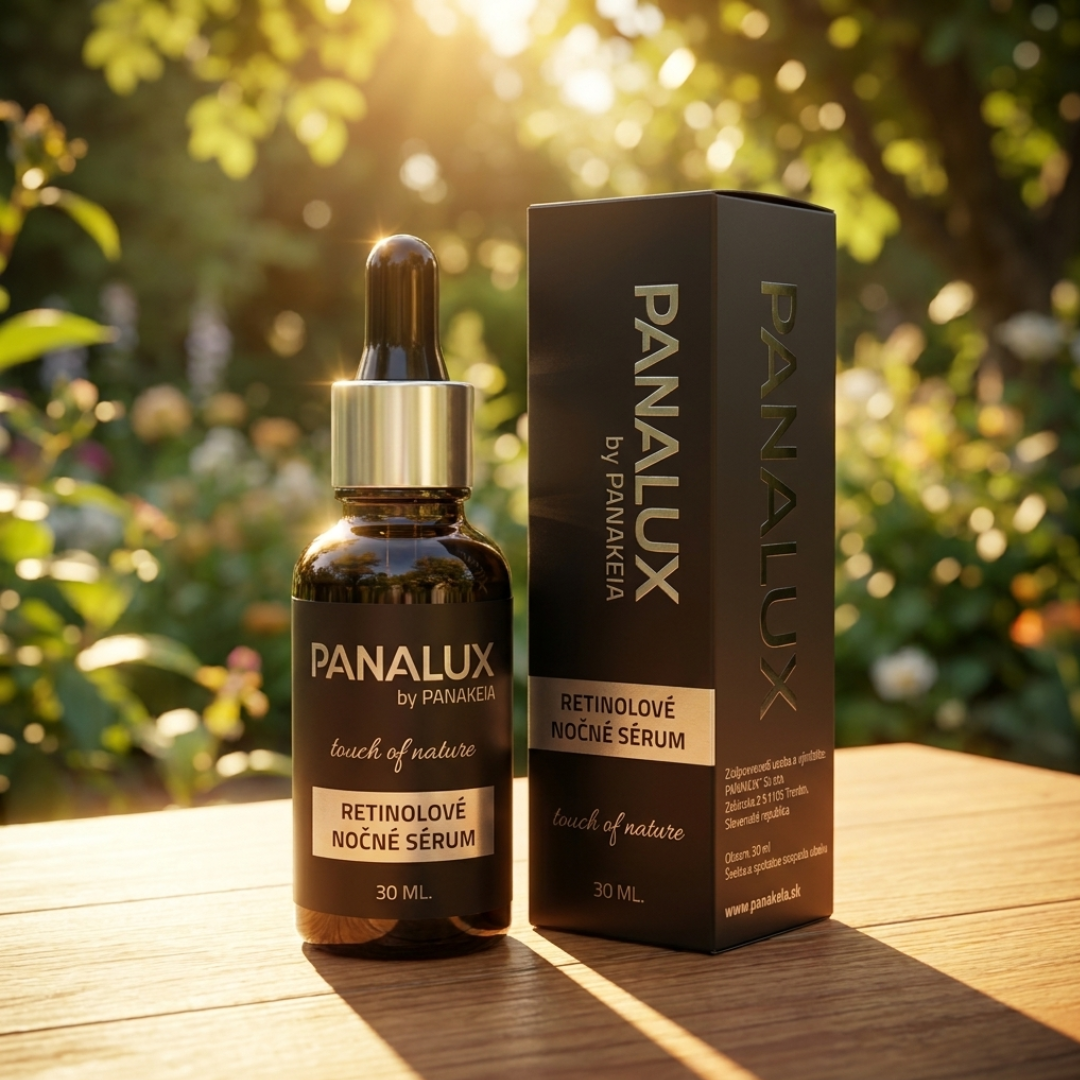
So you can use retinol in summer, but it asks for discipline and uncompromising protection from the sun.
When is a summer pause truly worth it?
There are, however, specific situations when it is better to put the little bottle away for a few days or weeks after all:
- An exotic holiday and all-day sunbathing: If you know you will spend a week on a yacht or on a beach by the sea, set retinol aside 5 to 7 days before you leave. After you return, wait until your skin has calmed and then come back to it.
- Sunburnt skin: If you have already had too much sun and your skin is red and stinging, applying retinol would be like adding fuel to the fire.
- You are a complete beginner: July and August are not the months for first experiments with vitamin A. It is lovelier to begin in October.
The 7 most common mistakes when using retinol in summer
If you decide to continue with your retinol routine, keep away from these critical mistakes, which could cost you your beautiful skin:
Applying retinol in the morning
The retinol molecule itself is remarkably unstable and degrades immediately under direct sunlight, losing its effectiveness. What is more, you would needlessly increase the sensitivity of your skin at a time when the sun is at its strongest. Rule number one: retinol belongs exclusively to the evening routine.
Ignoring SPF (or not using enough of it)
Using active ingredients without broad-spectrum protection (at least SPF 30, ideally SPF 50) is a real gamble in summer. Applying it to your face in the morning before leaving for work is not enough. The protection factor needs to be reapplied every two to three hours, especially if you are perspiring.
Increasing the concentration during summer
Summer is not the time for heroics and pushing boundaries. If you tolerate a concentration of 0.3 % well, stay with it. Leave the move to stronger versions for the grey winter months.
Applying it to damp skin
Damp skin works like a sponge – it absorbs products much more quickly and carries them deeper. With retinol, though, this raises the risk of irritation considerably. Always wait at least 2-3 minutes until your face is completely, utterly dry after cleansing.
Combining it with other strong acids
Do not apply a peel with AHA/BHA acids (glycolic or salicylic acid, for example) and then use retinol on the same evening. In summer you would disrupt your skin barrier completely this way. If you wish to use both, keep strictly to alternating days (so-called skin cycling).
Forgetting the neck and décolletage
The skin on the neck and décolletage is much thinner than on the face and ages faster. If you apply retinol there, you need to apply a thick layer of sun cream there just as diligently. Otherwise lasting pigment spots will form precisely on your décolletage.
Underestimating hydration
Retinol causes transepidermal water loss (moisture evaporating from the skin). In summer the skin is dried out by air conditioning and by the sun as well, so the lost water needs to be replenished twice as generously.
What should an ideal summer routine with retinol look like?
To gain the most benefits and keep the risks smallest, your summer routine should rest on two pillars: evening renewal and morning protection.
The evening ritual (renewal and repair):
- Cleanse your skin thoroughly with the two-phase method (first an oil cleanser to dissolve SPF, then a cleansing gel).
- Let your face dry perfectly.
- Apply an amount of retinol the size of a large pea to the whole face (be mindful of the sensitive eye area and the corners of the mouth).
- If your skin is more sensitive, use the sandwich method: apply a thin layer of moisturising cream, then retinol, and "seal" it again with the moisturising cream. Reach for creams containing soothing ceramides or panthenol.
The morning ritual (protection and prevention):
- Wash away the remains of the evening products with a gentle cleanser.
- The morning is the ideal time for antioxidants. A serum with vitamin C works as a second line of care – it neutralises the free radicals from sunlight and strengthens the effect of your protection factor.
- The last and most important step is applying SPF 50+. Apply it to the face, the neck and the ears.
What if you would like a pause after all?
If the fear of the sun is too great in you, yet you do not wish to lose the anti-ageing benefits, there are wonderful summer alternatives to retinol that do not increase the photosensitivity of the skin:
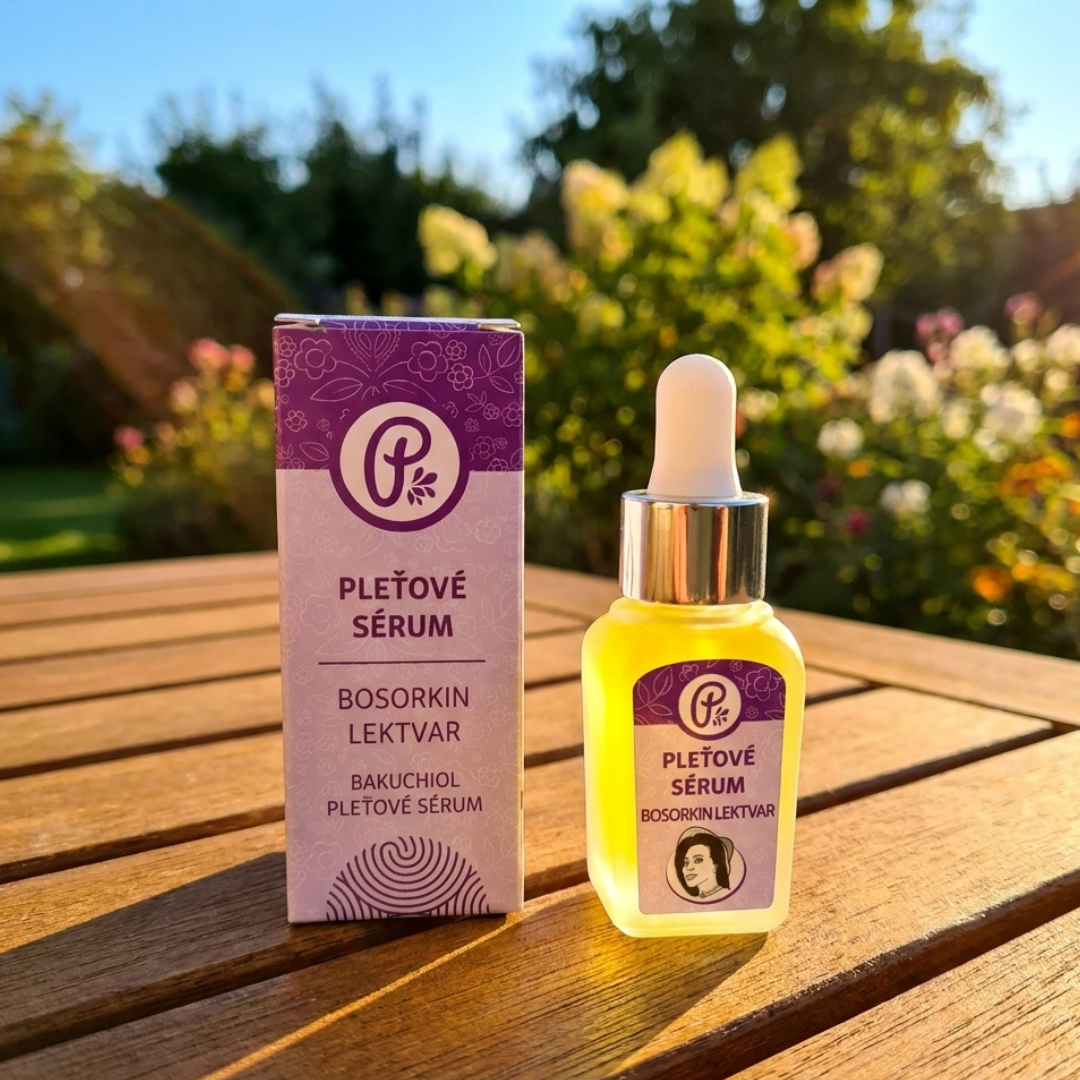
- Bakuchiol: A natural extract from the seeds of the plant Psoralea corylifolia. Clinical studies show that it can stimulate the creation of collagen very similarly to retinol, yet without side effects such as peeling or sensitivity to the sun. You can even use it in the morning and it is safe for pregnant women too.
- Peptides: They are the building blocks of the proteins in our skin. Serum peptides send the skin a signal to begin producing more collagen. They are remarkably gentle, hydrating and absolutely ideal for summer.
- Rosehip oil: It contains natural traces of retinoic acid and a high amount of antioxidants. It renews the skin after time spent in the sun and gives it a beautiful, healthy glow.
Using retinol in summer is nothing to be afraid of, as long as you know how to approach it with respect and knowledge. It is not about giving up your favourite ingredient for youthfulness, but about adapting your habits to the current season. Remember the golden rule of dermatology: beautiful skin is first of all healthy, protected skin. If you complete your retinol routine with a conscientious application of SPF, quality barrier hydration and a little common sense when in direct sunlight, your skin will thank you – and you will step into autumn with the same, or even more radiant, smoother and more youthful skin than the one you began the summer with.