
Nasturtium is a delight for the eye in our gardens. Its beautifully coloured red-orange flowers catch the attention at once. Nasturtium, however, does not only please the eye - it has been cherished for generations for the way it cares for the whole body.
Interestingly, nasturtium is also used in the kitchen for its taste, added to salads, soups, spreads and other dishes, because it tastes like watercress or radish. The whole little plant can be eaten, so go ahead and bring some variety to your menu.
On the market you will find nasturtium in various forms, as well as tips and recipes for making teas or tinctures at home. For us the tincture is a particularly interesting choice, because as we know, macerating in alcohol draws out the greatest possible amount of the herb's precious substances - and that is true of nasturtium too.
What is a nasturtium tincture traditionally used for?
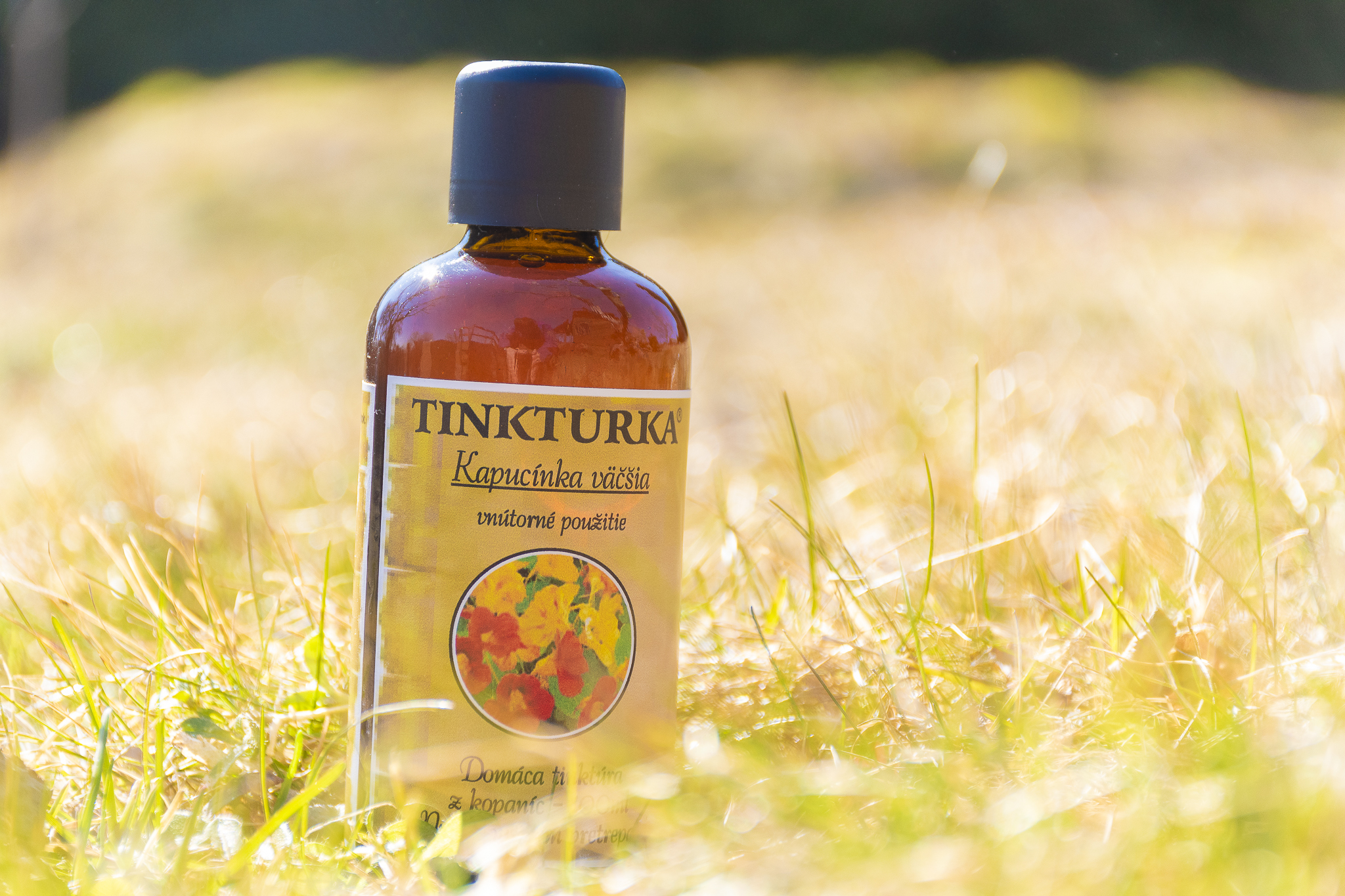
You have surely noticed or heard that in the world of herbs nasturtium is traditionally spoken of as a very strong natural helper. For anyone who likes to reach for herbal traditions, greater nasturtium is a lovely choice. Nasturtium has traditionally been described as having a broad, wide-ranging herbal strength, and it has long been reached for in connection with the respiratory and urinary tract. If a cold is coming on, it is customary to start using a nasturtium tincture at the very beginning, and it has traditionally been valued during the season of colds and viruses.
If digestion and a sluggish tummy are troubling you, you can also turn to the qualities of a greater nasturtium tincture. It has traditionally been used as a mild laxative and is also spoken of in connection with the balance of the digestive and excretory tract. And here we would like to highlight its reputation a little more, because when it comes to tradition, nasturtium is above all the herb of the urinary system - herbalists have long reached for it in connection with the urinary tract and the bladder, both in acute and chronic situations.
Greater nasturtium is traditionally used in folk medicine to help support comfort in the urinary tract and the respiratory tract, especially during the colder months of the year.
Another important quality is the way it is said to support and strengthen immunity, so a nasturtium tincture certainly deserves a place in every home herbal cabinet. You can happily use it as part of your everyday care and support for immunity - it is traditionally said to support the body's natural defences and at the same time to help the body find its strength again after an illness has passed.
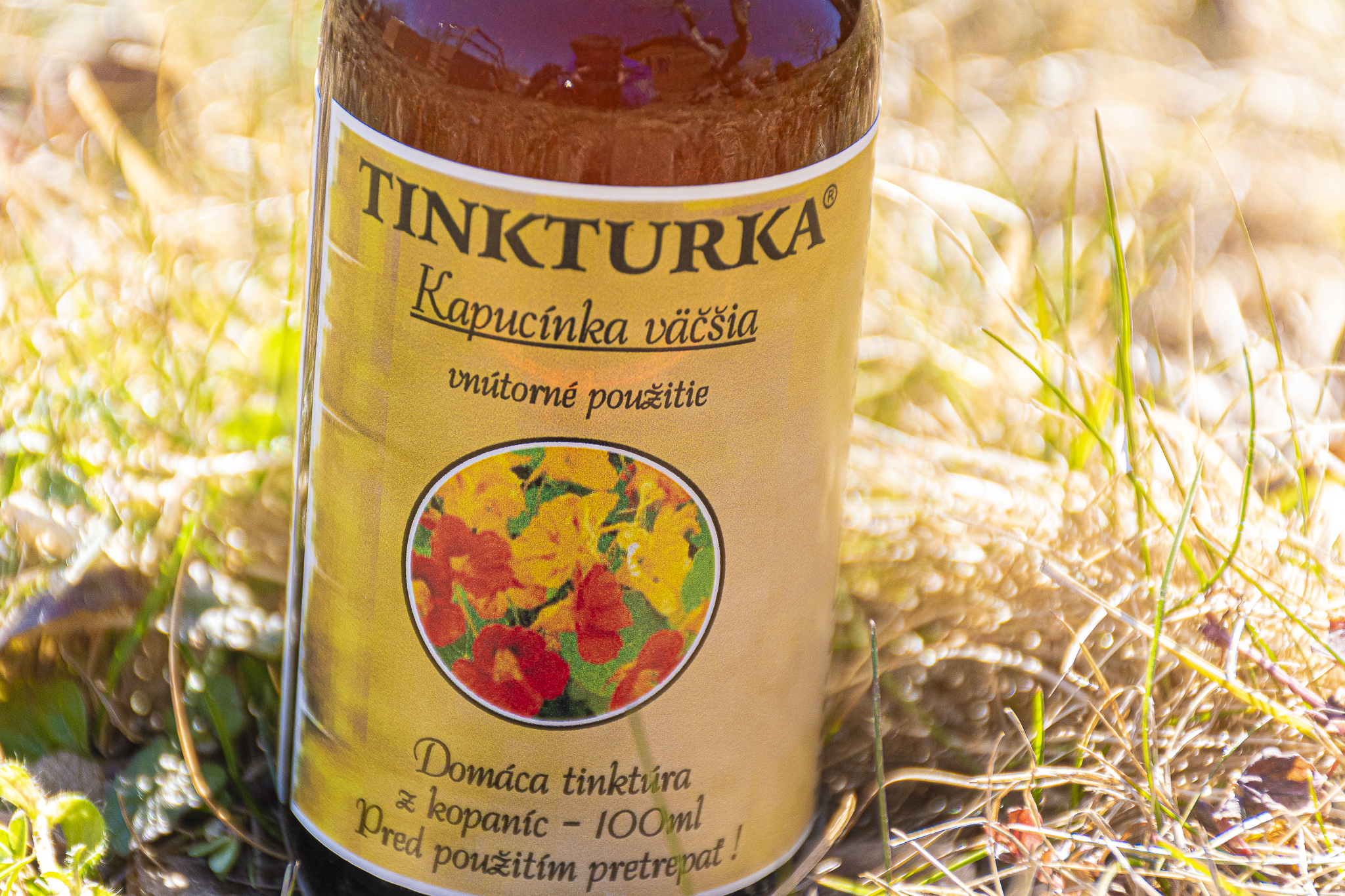
Greater nasturtium belongs among the plants whose dominant substances are essential oils, and it is thanks to them that it has traditionally been so valued in connection with the urinary tract, the kidneys, the digestive system and the gynaecological tract. Another component is vitamin C, which has notable antioxidant and immune-supporting qualities. Thanks to the high concentration held in the herb, it is a strong ally for immunity. Besides vitamin C it also contains other vitamins and minerals, riboflavin, thiamine, phosphorus, iron and calcium.
Besides its use within the body, a nasturtium tincture can once again be used externally as well. It has traditionally been used for a flaky scalp and thinning hair as a tonic, and also as a cleansing rinse.
It is worth keeping a nasturtium tincture in your home herbal cabinet, don't you think? It really is a treasured herbal companion that is gentle on your digestion and a lovely helper from autumn all the way to spring.