
Stepping into the world of today's cosmetics feels rather like trying to decipher a complicated algorithm without a manual. Even though we are surrounded by plenty of information, there is so much of it that we easily get lost and at the same time lose the appetite to try something new. .Social media serves us 12-step routines and promises miracles within three days. The result? Girls and women often end up with skin that is irritated, dehydrated and in worse condition than before they began their skincare journey.
In 2026 we define beauty through the health of the skin barrier. If you are starting a routine, your goal should not be to transform your skin overnight, but to set up a sustainable system. Let us look at the most common mistakes that almost every beginner makes and explain right away why they are so risky from the point of view of skin biology.
Mistake 1: The trap of an overloaded routine
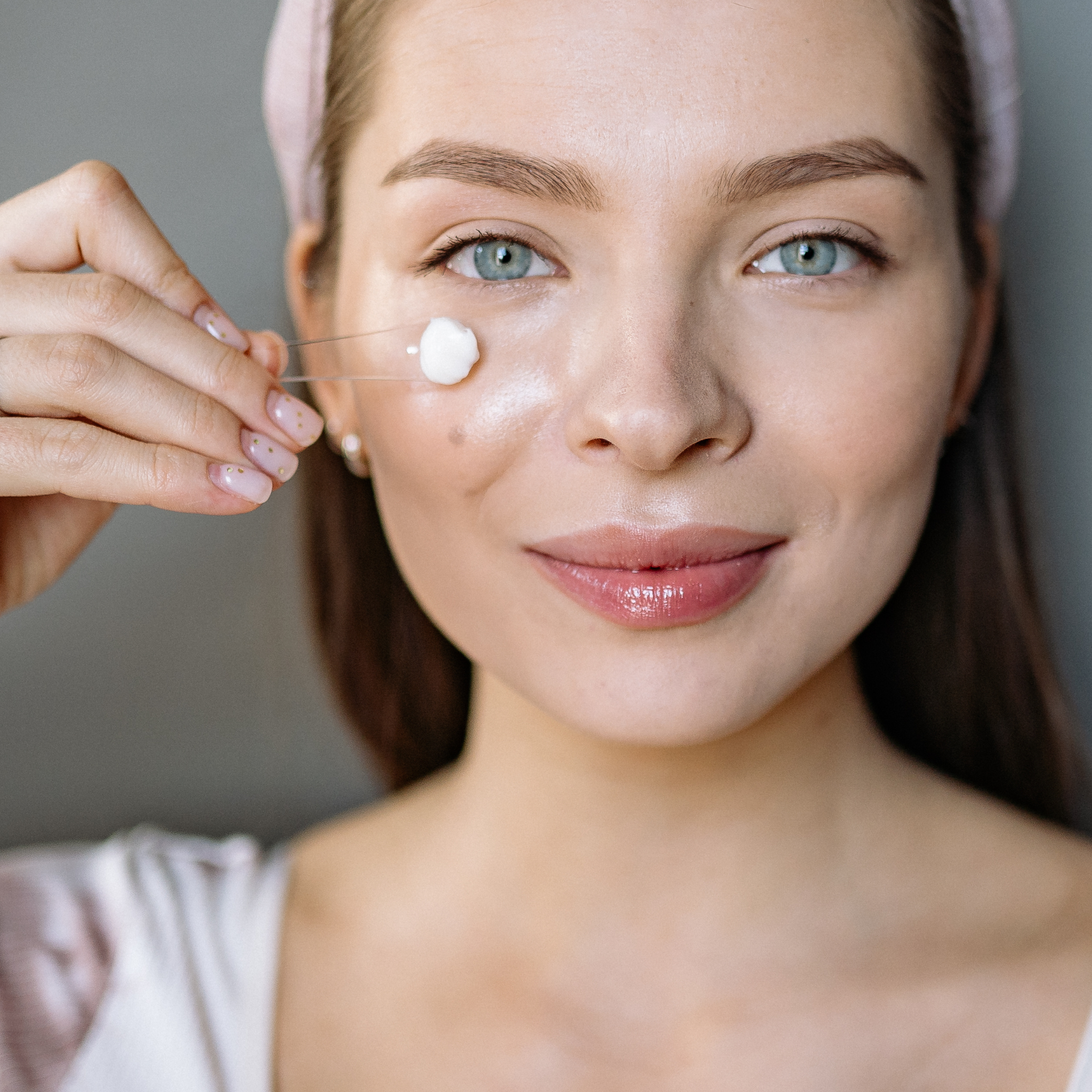
The most common mistake of our time is the uncontrolled layering of products. A beginner often gets the feeling that the more serums she uses, the faster she will see a result.
But how does that really affect the skin barrier?
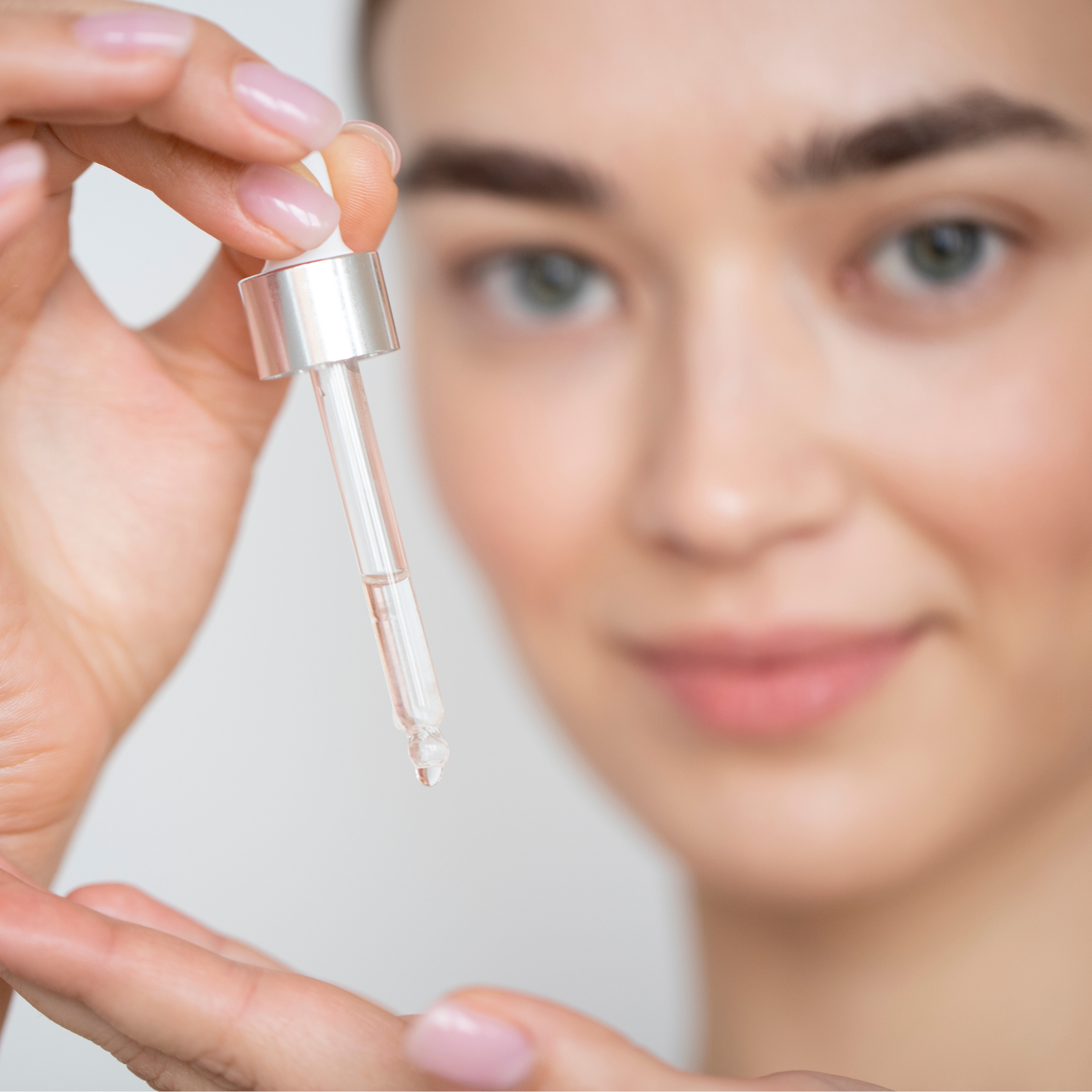
Our skin has a limited capacity for absorption. When you apply five different serums to it, the active ingredients can start to work against one another. For example, the combination of vitamin C and retinol in one step can cause strong dermatitis in a beginner. By overloading your routine you disturb the very top layer of the skin, which leads to transepidermal water loss. The skin becomes sensitive and red and, paradoxically, starts to produce more oil, because it is trying to rescue its disturbed protection. So lean above all on skinimalism and begin with the basic triangle: Cleansing – Hydration – Protection. Only once your skin has settled in should you add one active ingredient chosen for your particular concern.
Mistake 2: Harsh cleansing
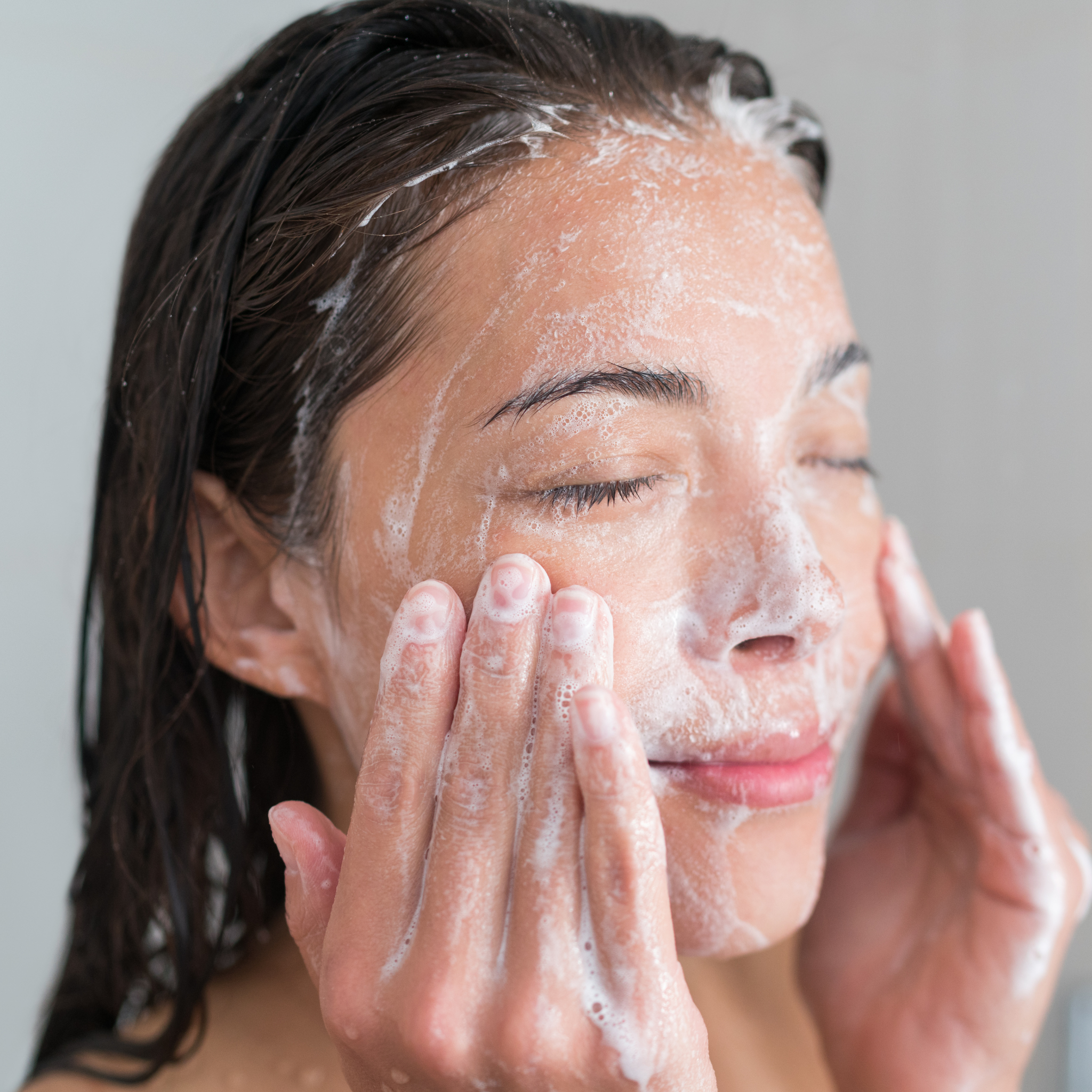
Many beginners, especially those with oily skin, live in the belief that skin is clean when it literally squeaks after washing.They use strong foaming gels with a high sulphate content or, even worse, classic soap.
The anatomy of cleansing and the skin's pH
The natural pH of our skin is slightly acidic (roughly 4.7 to 5.5). This acid mantle is our first line of defence against bacteria and pathogens. Harsh cleansers often have an alkaline pH that sweeps this mantle away. When you destroy the natural lipids, you send an SOS signal to the brain. It answers with massive sebum production. The result is a vicious circle: oily skin that you dry out and that becomes even oilier. Move on to gentle non-foaming milks or hydrophilic oils. Cleansing should leave the skin supple, not tight.
Mistake 3: Skipping SPF when the sun is not shining
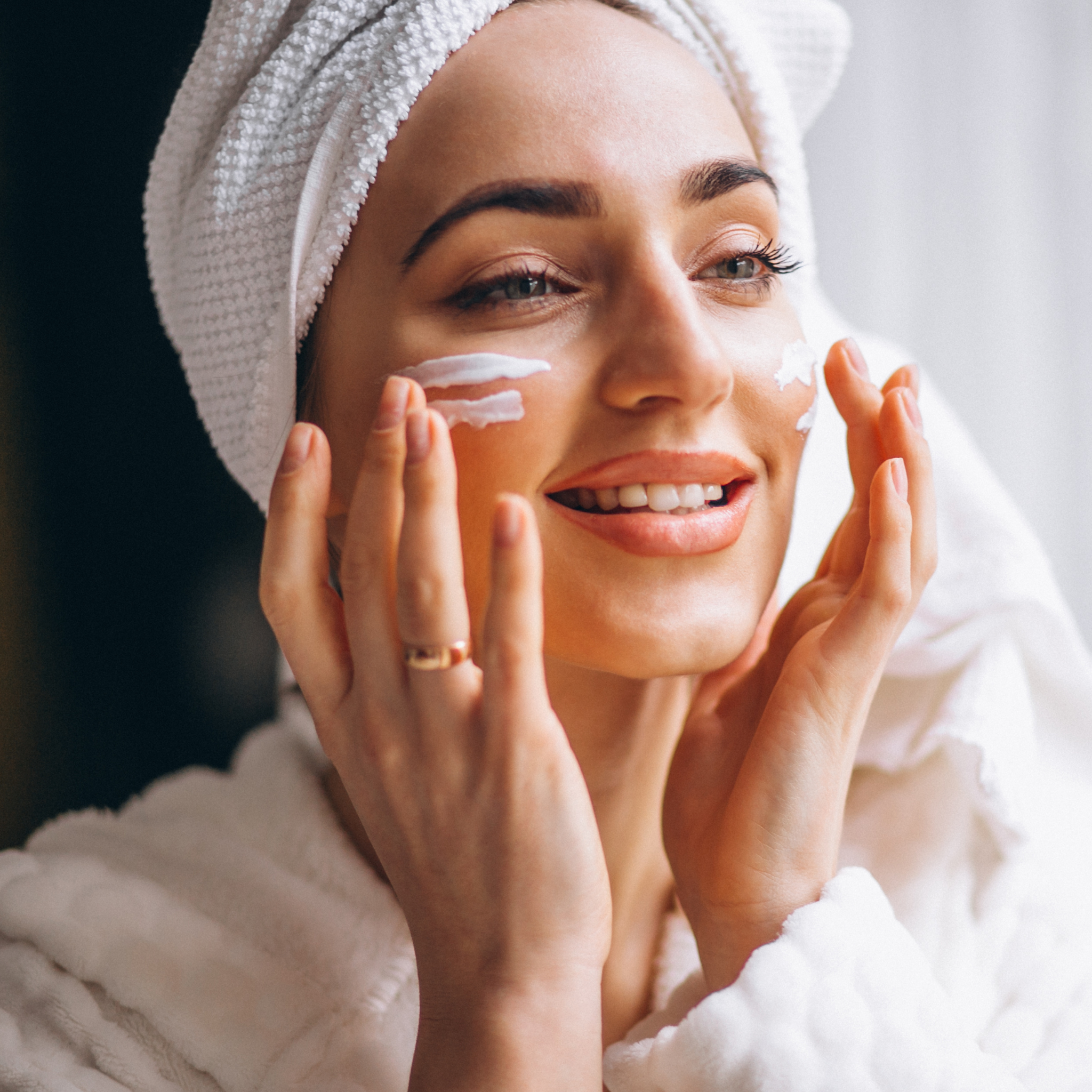
"It is cloudy today, I do not need to put on a cream with a factor." This is the sentence behind 80% of the signs of premature ageing.
The difference between UVA and UVB rays
Today we already know that protection is not only about avoiding sunburn (UVB).
- UVA rays are present all year round, they pass through clouds and through the glass in the office. They penetrate deep into the dermis, where they literally "cut through" collagen fibres. This process is called photoaging.
- If you use active ingredients (such as acids or retinol) and do not apply SPF, you risk lasting pigmentation.
SPF 30 to 50 is a basic step every morning. Think of it as your best anti-ageing cream, one that will be a firm foundation for you to build on.
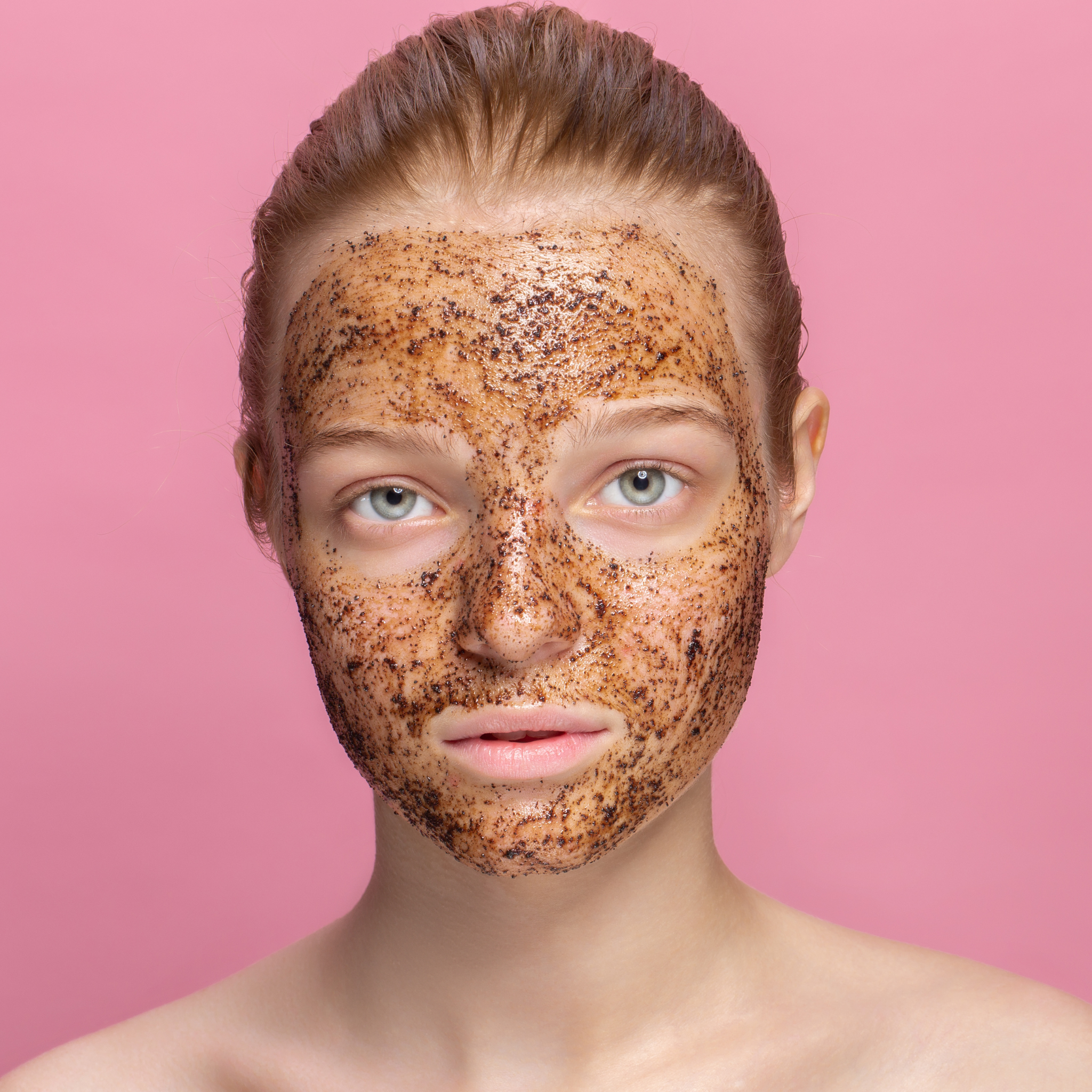
Mistake 4: Mechanical scrubs with crushed kernels
Many beginners still reach for scrubs containing pieces of apricot kernels or walnuts. The feeling of smooth skin, however, comes at a high price in this case.
The risk of microtrauma
These scrubs have irregular, sharp edges that under a microscope cause micro-tears in the skin.Moisture escapes through these tiny wounds and bacteria get in, and long-term use leads to chronic irritation and the early appearance of wrinkles.
Mistake 5: Overlooking the neck and décolleté
For a beginner, skincare often ends at the jawline. Yet the skin on the neck and décolleté is much thinner, has fewer sebaceous glands and is just as exposed to the sun as the face.
The aesthetics of facial architecture
These days we already see the face, neck and décolleté as one whole. If you are building a routine, everything you put on your face (cleansing, serum,cream, SPF) should be applied to the neck as well. In this way you will prevent a noticeable visual difference in the future between a youthful face and a slackened neck.

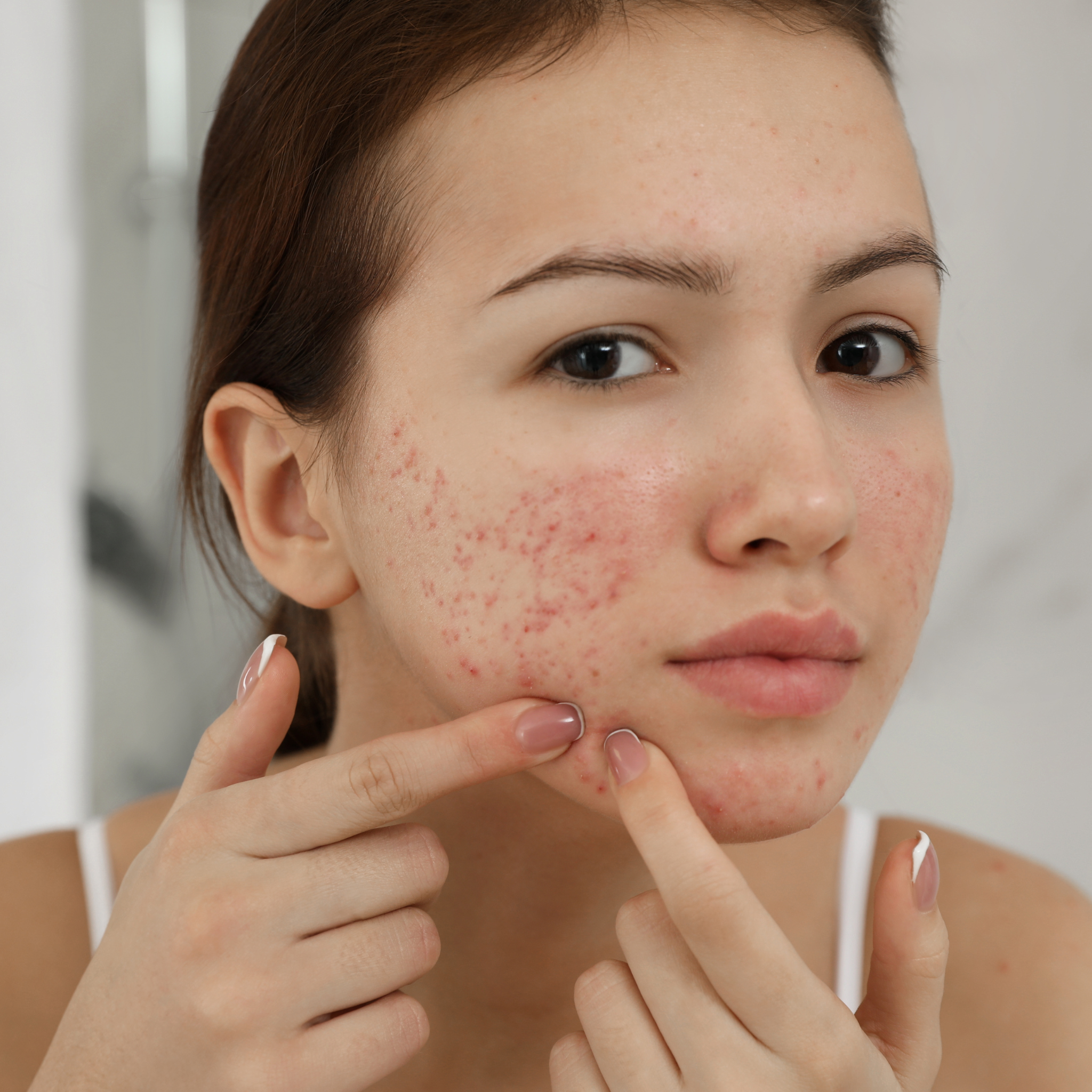
Mistake 6: Constantly touching the face and squeezing spots
It may sound trivial, but it is one of the biggest barriers to clear skin. Our hands carry thousands of bacteria that we transfer into our pores with every touch.
The risk of post-inflammatory hyperpigmentation
When you squeeze a spot, you push the infection deeper and cause trauma to the tissue. The result is not only a scab, but a red or brown mark that can take months to fade. In 2026 we are learning to work with irritation intelligently – with local patches that protect the spot and draw out the pus without harming the surrounding skin.
Mistake 7: Expecting results within a week
We live in an age of instant gratification, but biology will not be hurried. The renewal of skin cells takes a healthy adult roughly 28 to 40 days.
Patience as part of the strategy
Most products need at least two to three skin renewal cycles for their real effect to show. Many beginners put a product aside after two weeks, saying it does not work.
- Retinol: You will see results after 3 – 6 months.
- Acids for pigmentation: You will see results after 2 months.
- Hydration: The one thing you will feel almost immediately.
Try one new product for at least a month before you draw a conclusion.
See skincare as a long-term dialogue, not an instant intervention. The biggest mistake is trying for radical results at the price of disturbing the skin's natural balance. Remember that your skin is an intelligent organ that responds to every stimulus. If redness or tightness appears, it is a clear signal that your routine needs simplifying and soothing. Do not forget that a successful skincare routine is not measured by the number of bottles on the shelf, but by how resilient and content your skin is. Begin slowly, listen to your body and remember that consistency matters more than intensity.