
Allergy - herbs traditionally used by allergy sufferers.
The medicines commonly taken do not remove the allergy itself, they only ease the allergic symptoms. If we wish to care for allergies at their source, we need to look where they arise, and that is the gut and the liver.
Milk thistle
Milk thistle the Latin name of this natural wonder – Silybum marianum – is no less complicated than the Slovak one. From this name comes also the term Silymarin – a group of very strong and important antioxidants which is said to have anti-inflammatory, antiviral and antioxidant properties. And it is Silymarin – the complex of beneficial substances from Silybum marianum – that is traditionally associated with supporting our liver, or rather its detoxification and regeneration. It is a healthy liver whose proper functioning influences the state of other organs and of the whole body. Natural care in this case is said to work harmoniously on the whole body, which, with long-term use of such preparations, gradually changes the way it reacts to the outside world. Allergic symptoms become milder, at times to such a degree that they may fade away (with the exception of strong congenital food allergies). Herbs too are traditionally reached for to ease the symptoms of an allergy. With their active substances they are said to soothe itching of the skin, swelling of the mucous membranes of the nose, throat and eyes, and to help the airways feel freer.
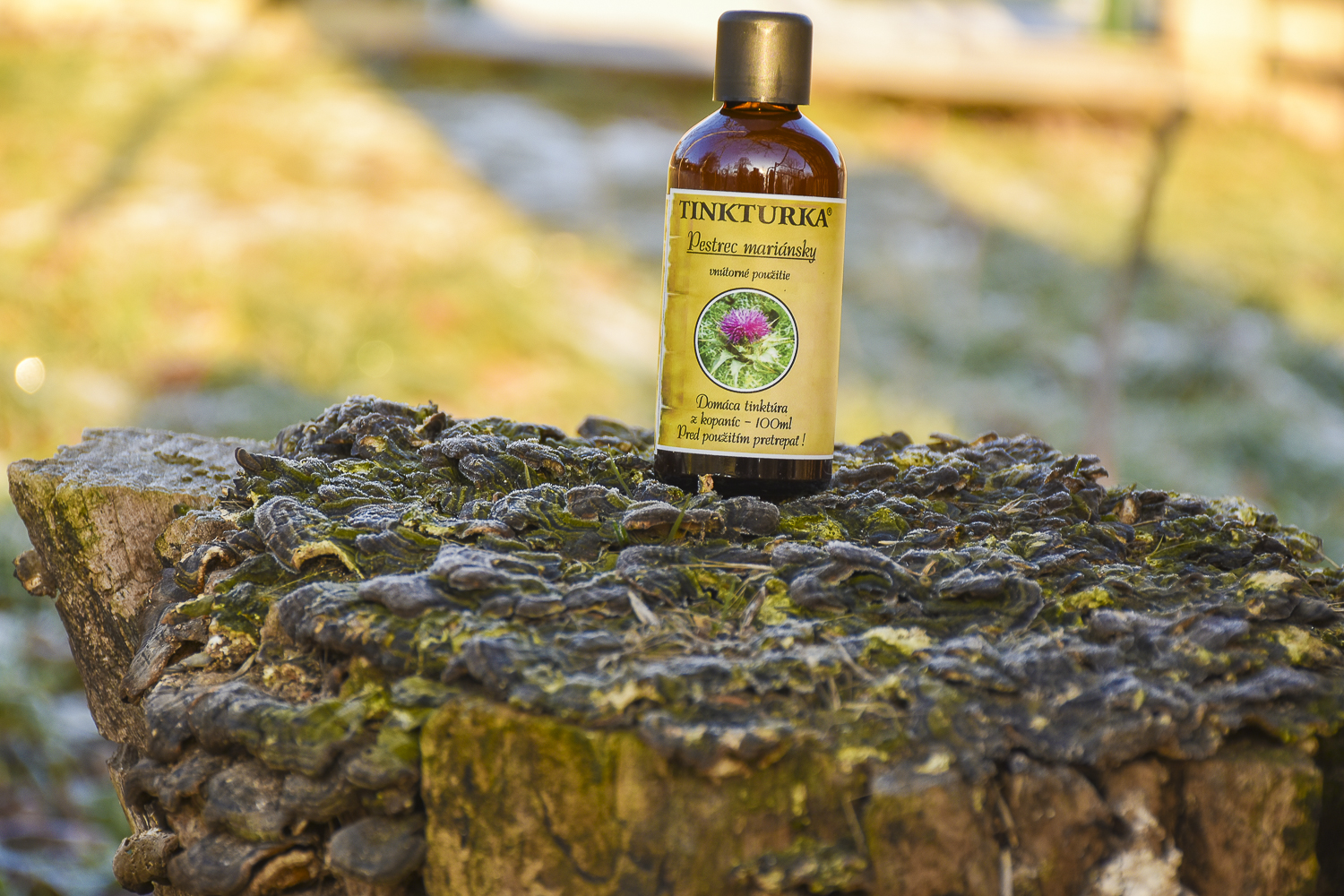
You can find the milk thistle tincture in our e-shop.
Stinging nettle
Nettle root is traditionally used to cleanse the body and to help it release waste substances and unwanted matter, and therefore allergens too. The tincture is much loved in the time of hay fever and with eczema.
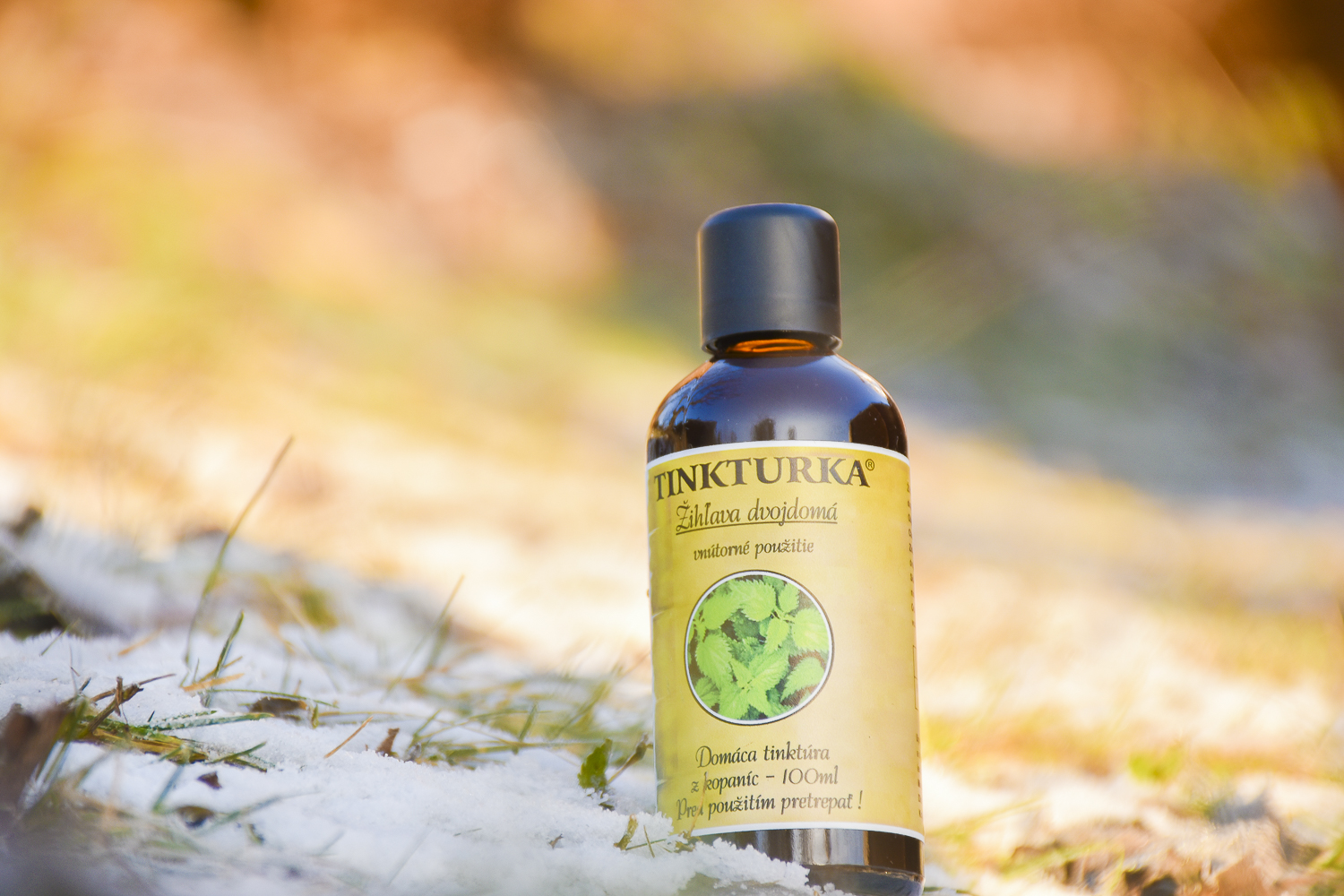
You can find the nettle tincture in our e-shop.
Calendula
Calendula - The effects of calendula are said to be so strong that this little plant is traditionally used where bacteria are concerned, and so it is counted among the plant antibiotics. Calendula is traditionally used both externally and internally.
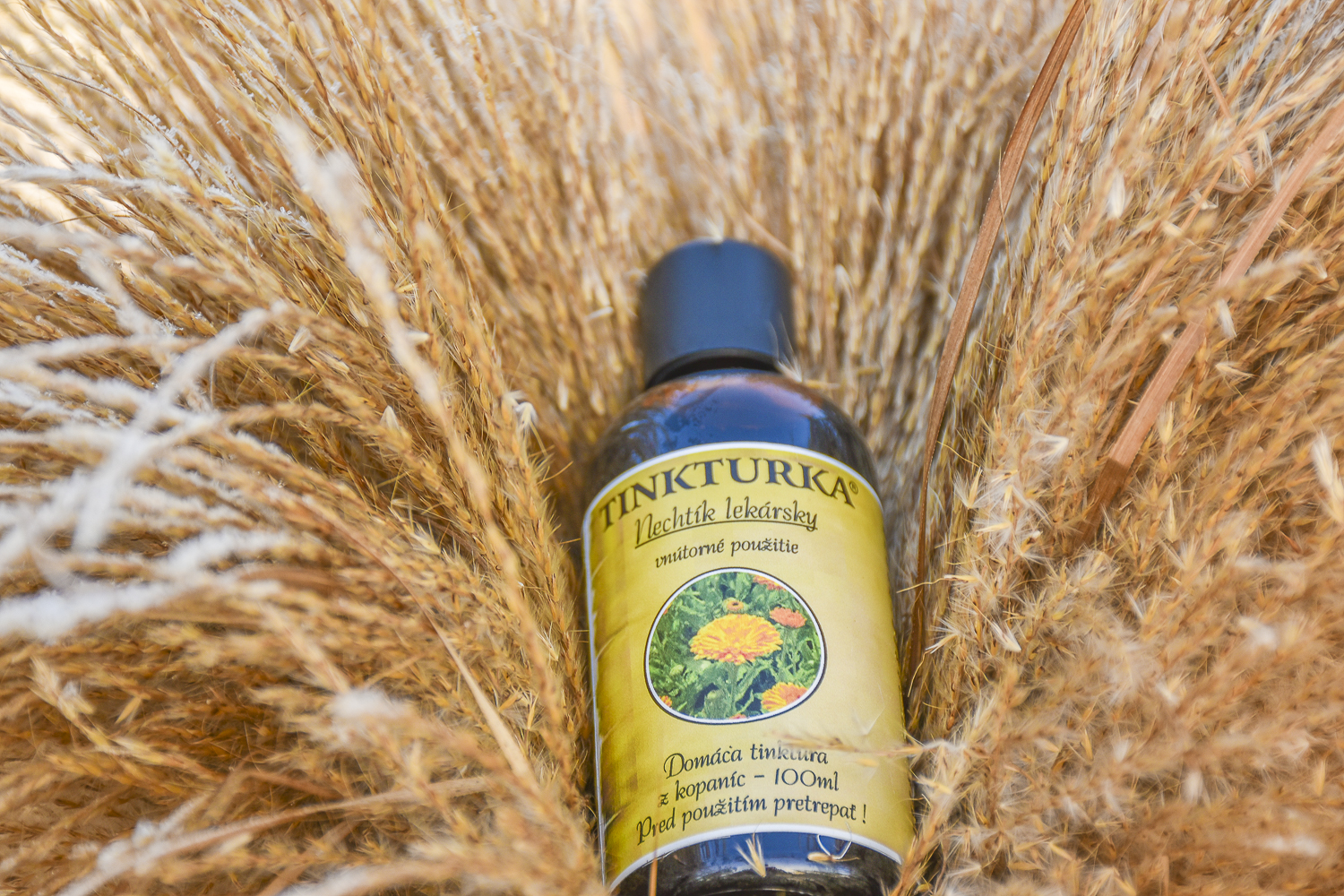
You can find the calendula tincture in our e-shop.
Ginkgo biloba
Besides being traditionally associated with better circulation and balanced blood pressure, it is also said to support the healing of wounds, to ease headaches, to lift tiredness away, to give energy and to brighten the mood, which all those allergy sufferers who are weary from laboured breathing and other allergy symptoms will welcome.
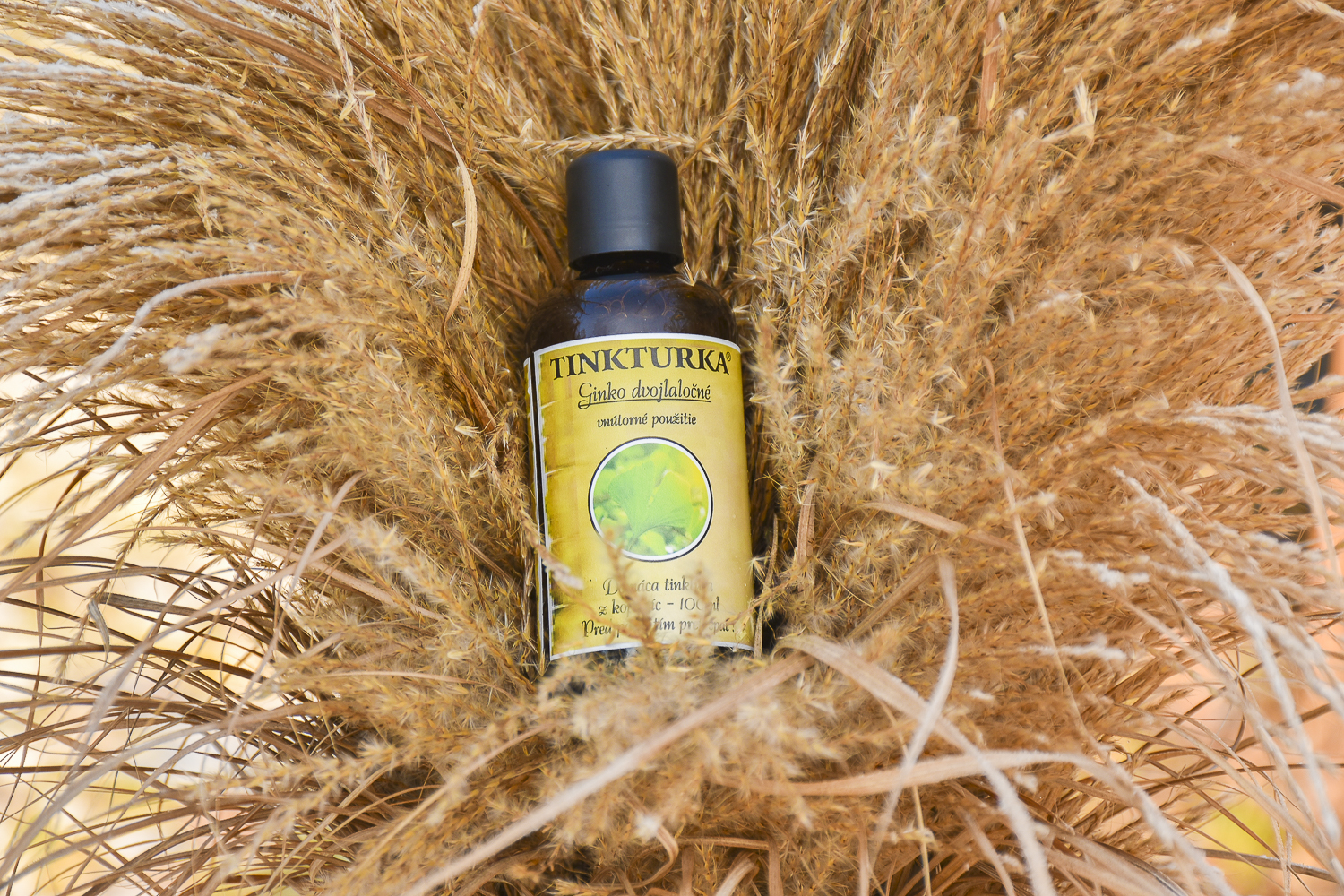
You can find the ginkgo tincture in our e-shop.
Blackcurrant
It contains natural corticoids and is traditionally reached for by allergy sufferers, especially at this time of year, as a natural helper during allergy season. Extracts from blackcurrants are said to stimulate the adrenal glands and to have an anti-inflammatory effect.
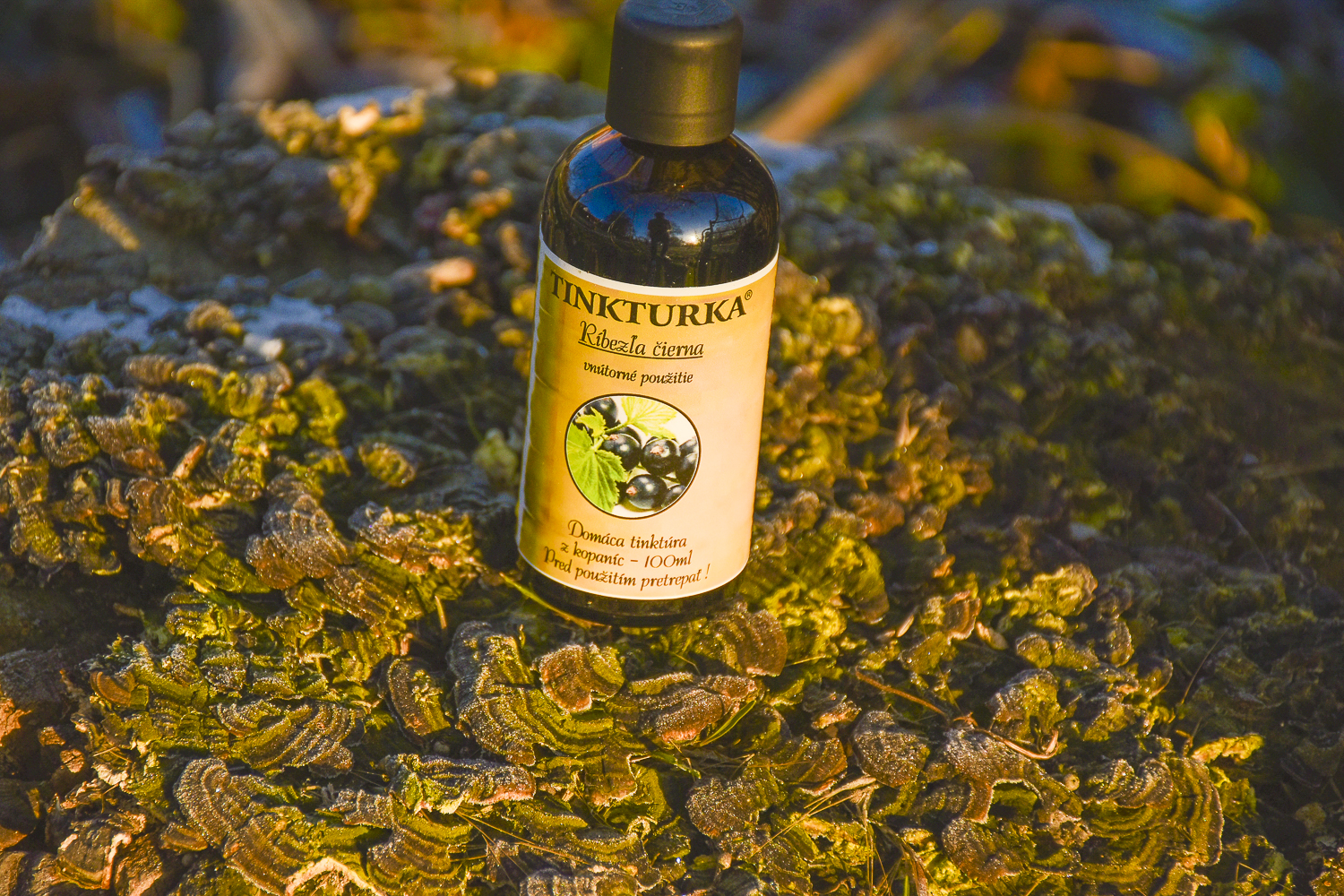
You can find the blackcurrant tincture in our e-shop.
Thyme
Thyme is traditionally used to ease a dry cough.
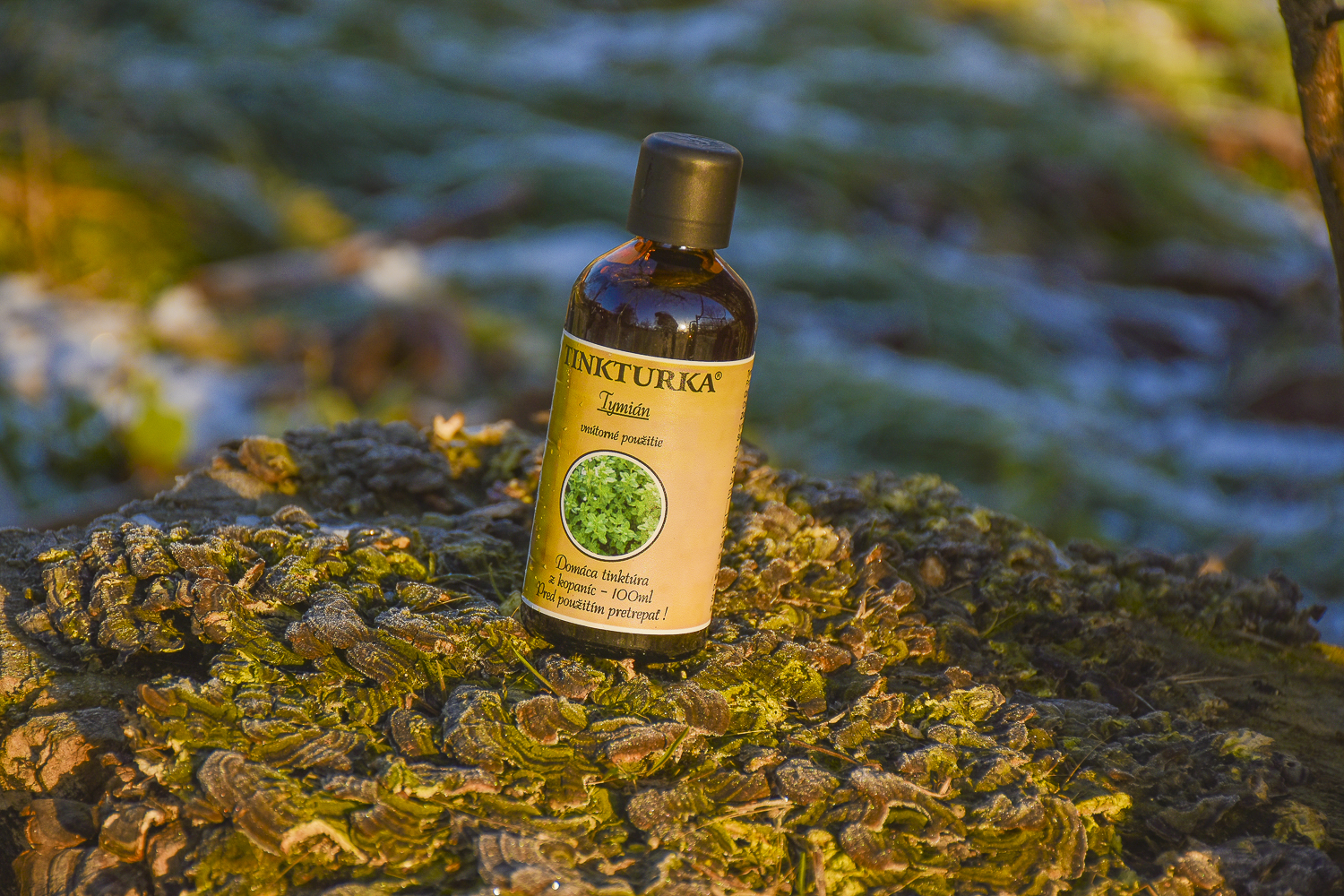
You can find the thyme tincture in our e-shop.
Chamomile
Chamomile is wonderful too, as it is said to have anti-allergenic effects.
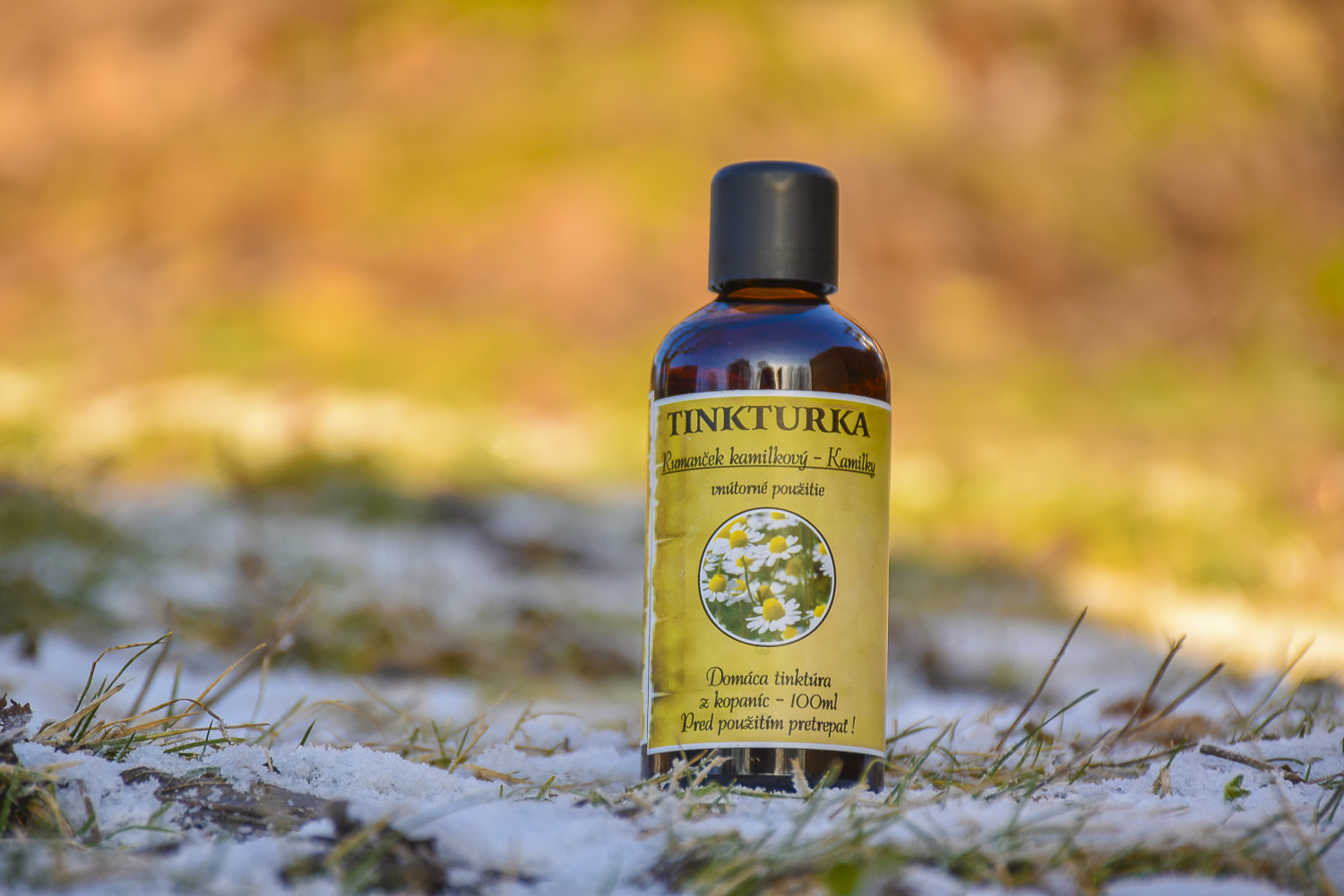
You can find the chamomile tincture in our e-shop.
Oregano (Origanum vulgare)
Oregano, or wild marjoram, is traditionally reached for with the symptoms of an allergy as well. It is said to contribute to the natural cleansing of the airways.
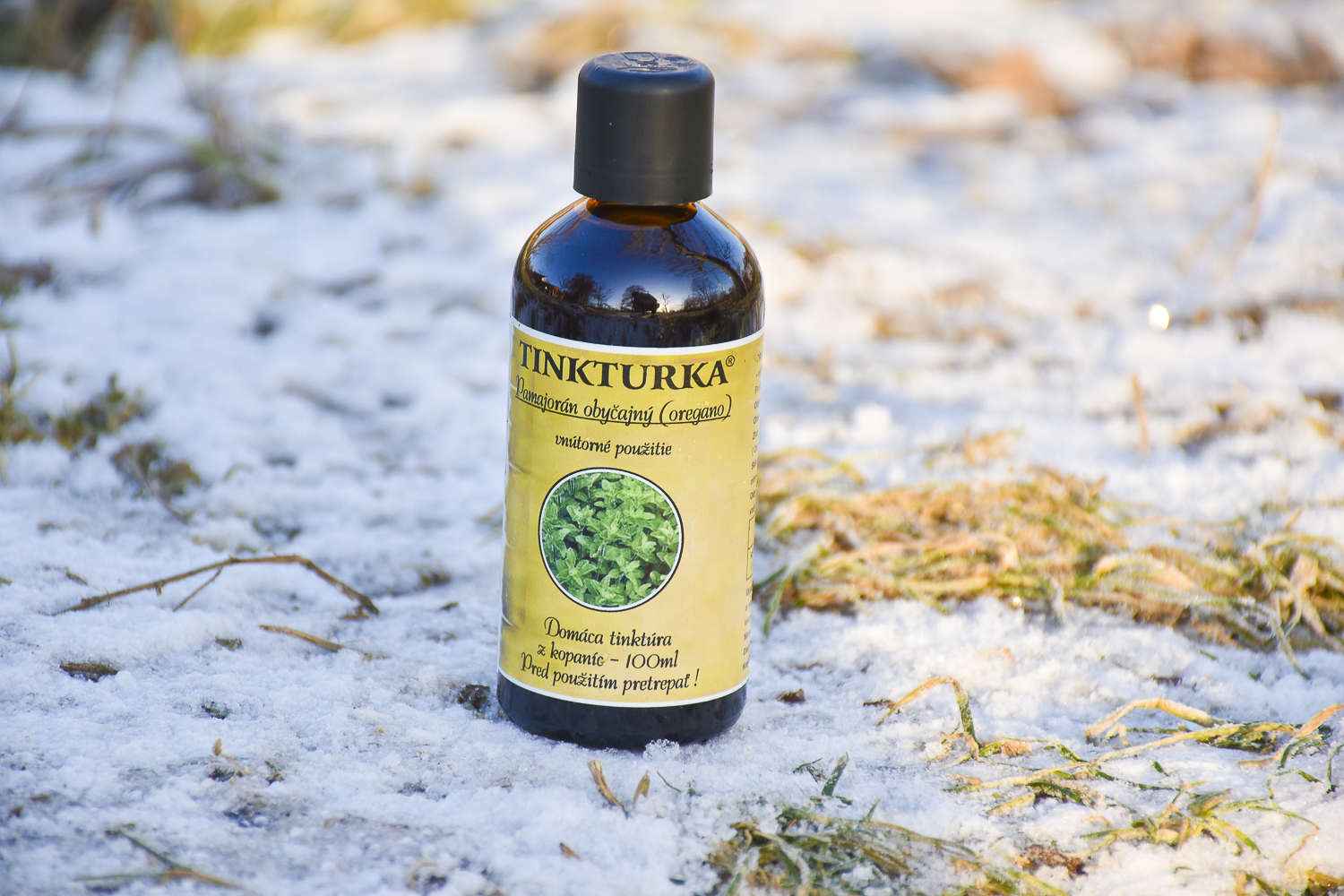
You can find the oregano tincture in our e-shop.
Many people who suffer from pollen allergy also have food allergies to a far greater extent than people without pollen allergies. Pollen and food allergies also often appear in people who are sensitive to histamine. Cross-allergies are appearing more and more often in at-risk groups of people. A cross-allergy arises between pollens themselves, between pollen and foods, and between foods themselves. A cross-allergy can be made worse by drinking alcohol, excessive physical strain, stress, illnesses of the digestive tract, influenza, hormonal fluctuations and the taking of certain medicines, such as beta-blockers or non-steroidal anti-inflammatory drugs. Please consult your doctor about taking herbs during an allergy