
Combination skin is the most common skin type worldwide, and it is estimated to occur in 40–50 % of the population. Its dominance is not a coincidence at all; it follows from the way our skin genetically adapts to the environment, to hormonal changes and to our lifestyle. This skin type is characterised above all by an uneven distribution of sebum. While the T-zone tends towards oiliness and enlarged pores, the cheeks are often dry, sensitive or even dehydrated. This contrast then makes caring for combination skin a literally everyday challenge for many women. While the oiliest areas call for balancing the sebum, the drier areas need a gentler, more hydrating approach. Be particularly mindful of all-purpose products, which can rarely cover the needs of the whole spectrum, and this is also the reason why combination skin is one of the most sensitive and most demanding when it comes to choosing the right beauty routine.
How to recognise combination skin reliably
Combination skin has specific signs that set it apart from other types. The most noticeable is the increased production of sebum and quicker oiliness in the central part of the face, above all on the forehead, nose and chin. In the light, the T-zone often shines again shortly after cleansing. The cheeks, on the contrary, tend to be normal, drier or more sensitive, which can bring a feeling of tightness, a dry texture or little flakes during winter.
Besides the uneven production of sebum, combination skin also has a tendency towards an uneven appearance. The T-zone may have more visible pores, blackheads or occasional imperfections appear, while the cheeks may look tired or dull. For this reason it is important to use a routine that respects the differences between the individual areas.
The most common mistakes in caring for combination skin
Aggressive cleansing of the skin
One of the most widespread mistakes is the aggressive effort to degrease the demanding T-zone. Preparations with a high alcohol content, or overly intense cleansing gels, may reduce shine in the short term, yet in the long run they dry the skin out quite needlessly. A disrupted barrier begins to produce even more sebum, which results in repeated oiliness and a worsening of the state of the pores.
Not enough hydration
Just as common a mistake is neglecting hydration. The drier parts of the face need moisture and a strengthened barrier; otherwise irritation, redness and increased sensitivity appear. Many people mistakenly think that hydrating creams are too heavy for combination skin and therefore leave them out. In reality, though, skin without enough hydration responds with an imbalance that can deepen the contrast between the oily and dry zones.
Choosing the wrong beauty products
The biggest problem, however, we consider to be the wrong choice of products. This means above all using heavy oils or rich night creams that clog the pores on the forehead and nose, while often not helping the cheeks. Combining a large number of active substances in one routine is just as unsuitable, as it can needlessly irritate combination skin and disturb its natural resilience.
Key active ingredients for combination skin
Niacinamide (vitamin B3)
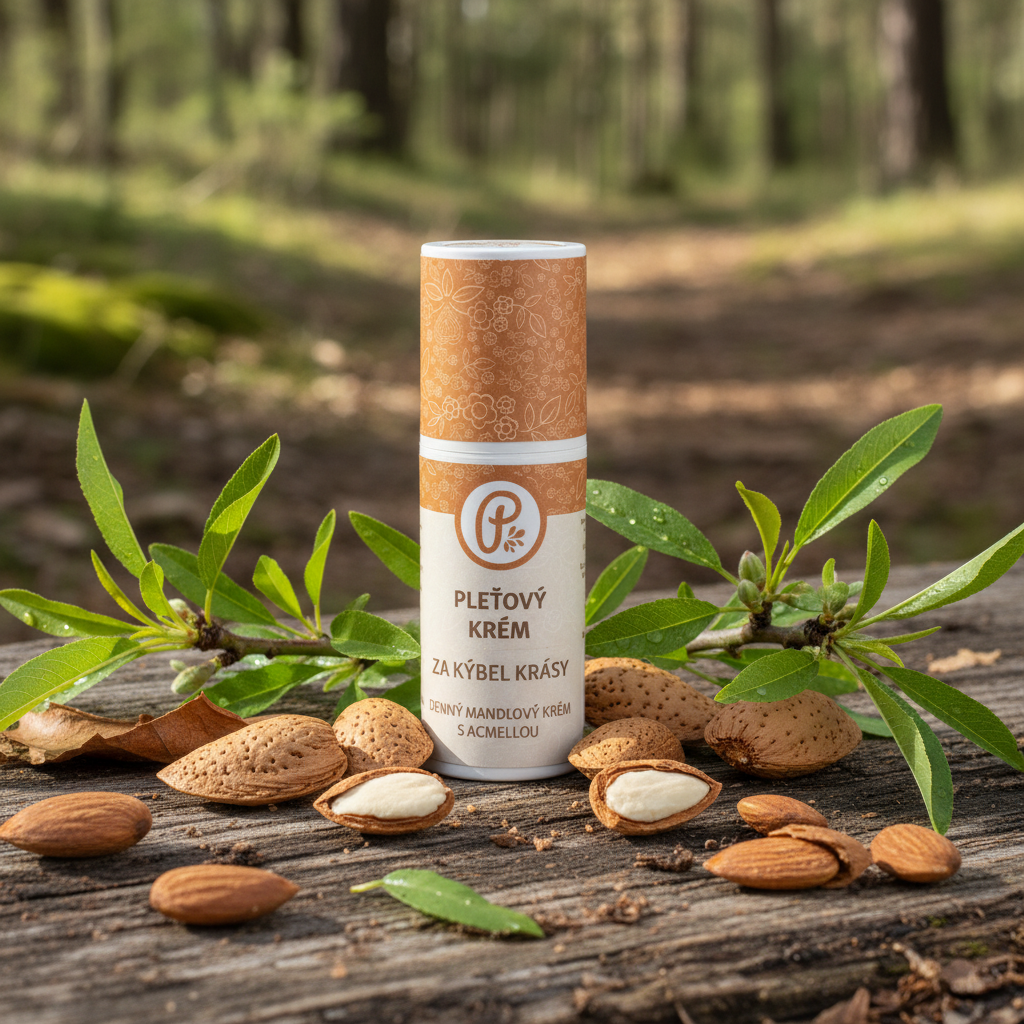
Niacinamide is a multifunctional active ingredient that helps balance the production of sebum in the T-zone, improves the look of the pores and strengthens the skin barrier. For combination skin it is very precious precisely because it helps even out the differences between the oilier and the drier areas. With regular use it can reduce shine in the T-zone and at the same time direct hydration to the cheeks without any feeling of heaviness. It suits sensitive skin too, as it has anti-inflammatory properties. What to be mindful of is too high a concentration, or a product that at the same time contains many irritating substances, which can bring mild redness. That is why we recommend beginning with a lower concentration and gently watching how your skin responds. You can find niacinamide in the much-loved PDRN set, the peptide set and also in the almond day cream Za kýbel krásy.
Hyaluronic acid
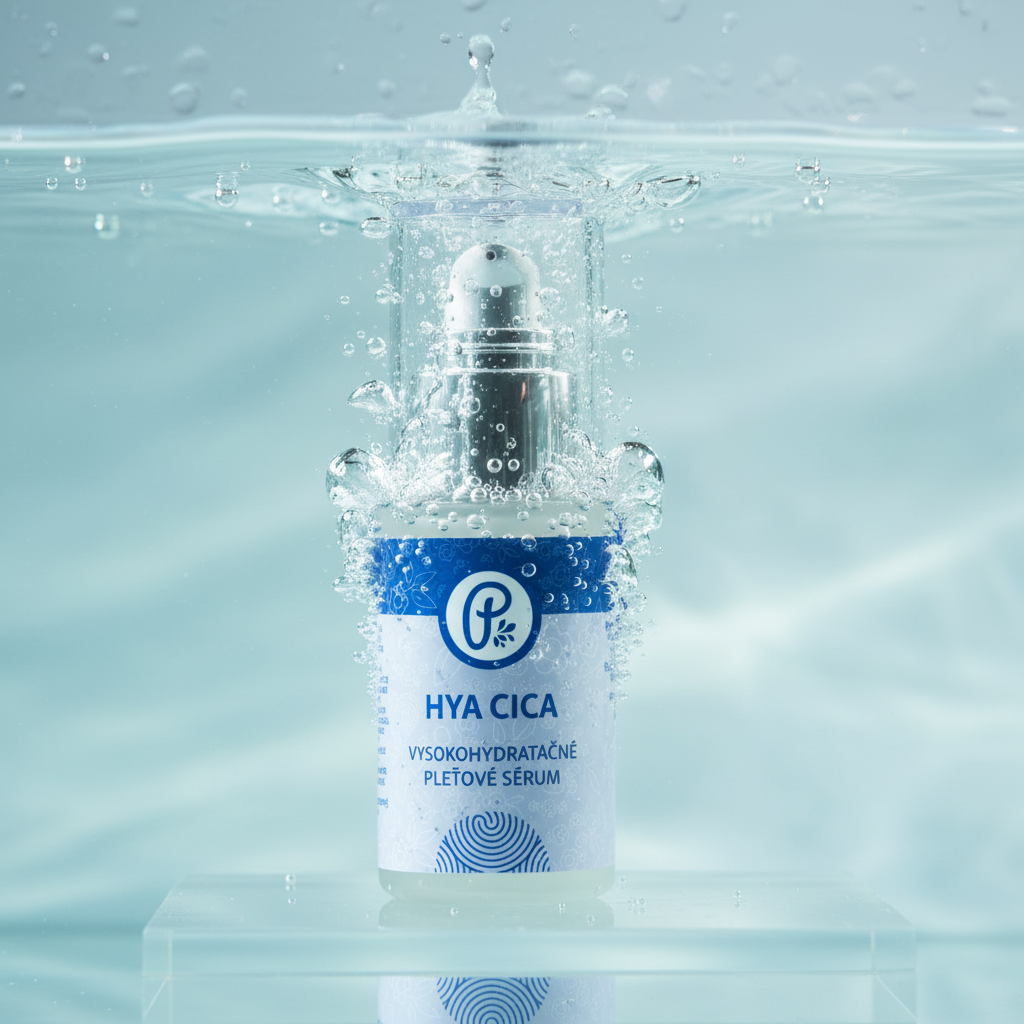
Hyaluronic acid is a wonderful hydrating helper for every skin. It attracts and binds water in the skin, which brings comfort and suppleness without any oily feeling. With combination skin it is especially welcome in the areas of the cheeks, which can be drier or less hydrated. It helps fill in the gentle dehydration that could otherwise lead to an unpleasant feeling of tightness or to skin sensitivity. What is more, keeping the skin hydrated is the key to the T-zone not overcompensating and beginning to produce more sebum. Be mindful, though, of very thick or oily formulas with hyaluronic acid; those may be less suitable for an oily T-zone. Hyaluronic acid is also the base of our bestseller – the HYA CICA serum.
Ceramides
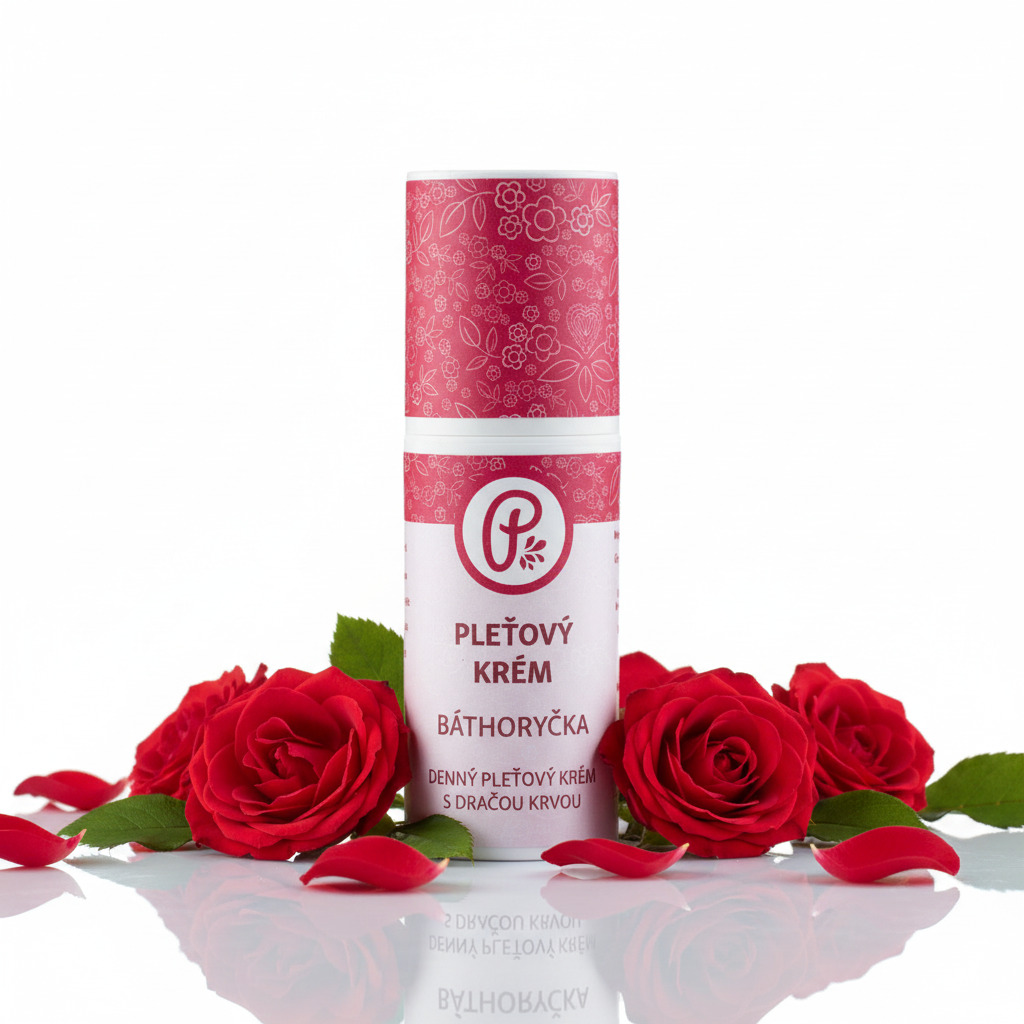
Ceramides are lipids that occur naturally in the skin barrier and play a key role in keeping it whole and protected from outside influences. For combination skin they are very welcome, especially in the area of the cheeks, where the skin barrier may be weakened by dryness or by too much exfoliation. Using products with ceramides helps to minimise irritation, reduces sensitivity and improves the overall comfort of the skin. Ceramides are also contained in the Báthoryčka edition.
Salicylic acid (BHA)
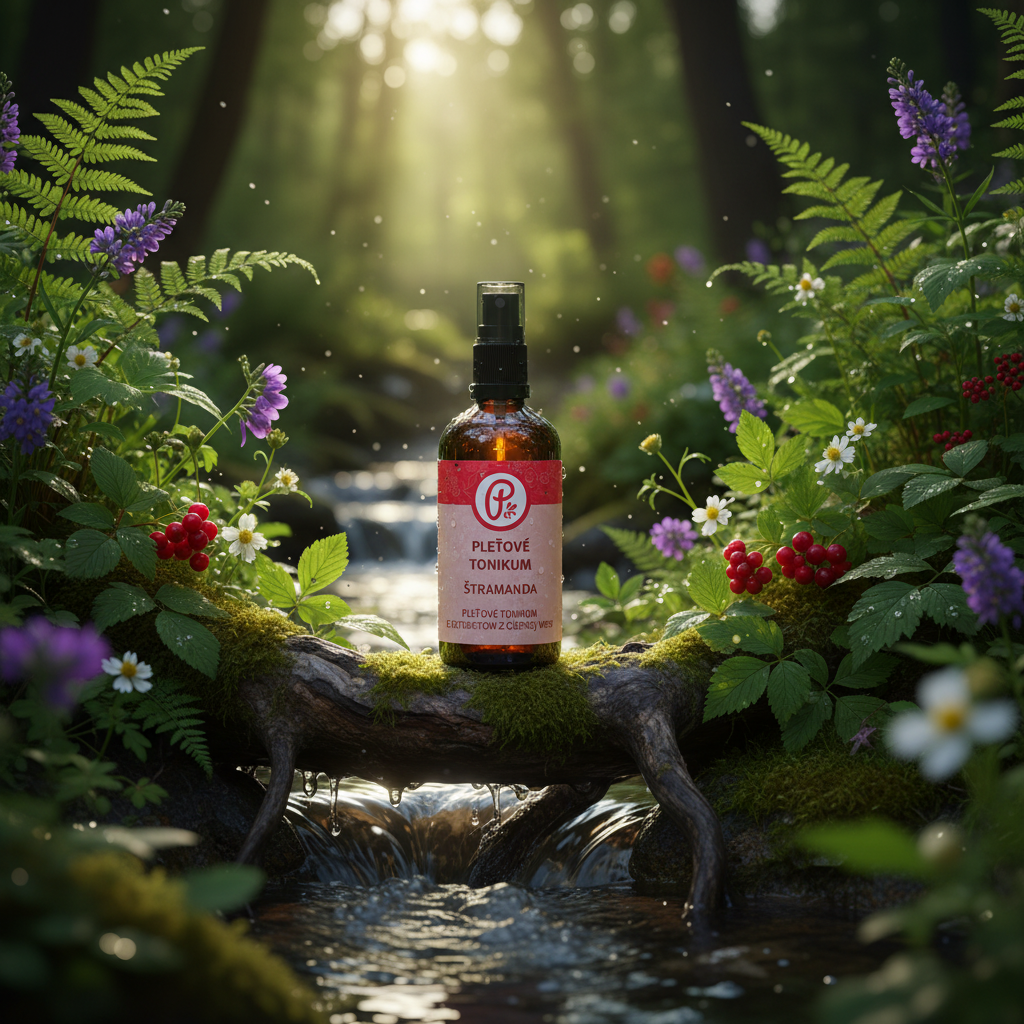
Salicylic acid is a substance that can reach into the pores, dissolve sebum and dead cells, and so helps prevent blackheads and clogged pores — a concern typical of the T-zone of combination skin. Regular, though not excessive, use of BHA acids can noticeably improve the texture of the skin in this area. However, when it is used too often or in concentrations that are too high, it may dry out or irritate the cheeks. For this reason we recommend welcoming it into your routine slowly and with respect for the other areas of the face. If you are looking for a suitable product with salicylic acid, a wonderful choice is the facial toner from the Štramanda edition.
Centella asiatica
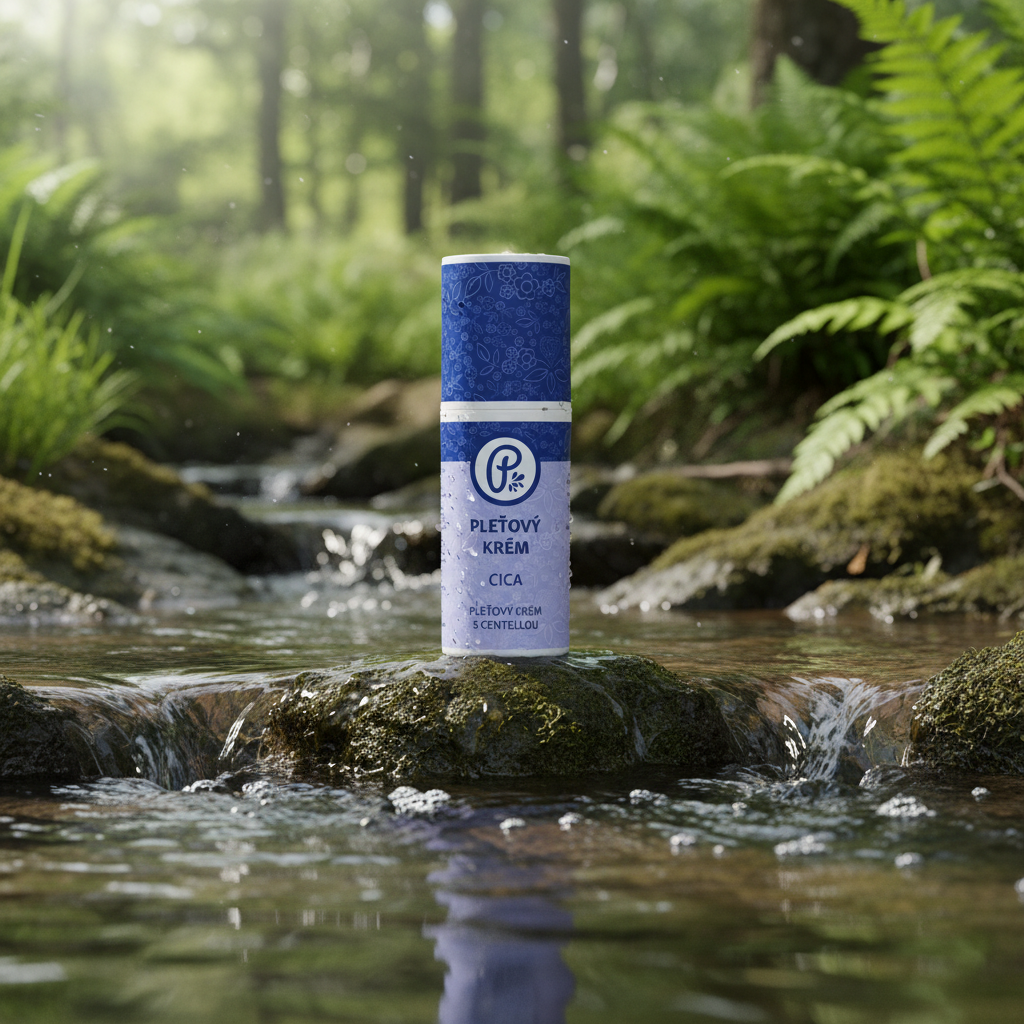
Centella asiatica, also known as gotu kola, is among the most precious plant extracts in modern cosmetics. It became famous above all for its strong regenerating, soothing and anti-inflammatory properties, thanks to which it is remarkably beneficial for combination skin, especially in the areas prone to irritation. It contains a complex of bioactive substances, such as asiaticoside, madecassoside, asiatic acid and madecassic acid, which support the renewal of the skin, strengthen its protective mechanisms and at the same time reduce redness. Centella asiatica is also found in the CICA day cream, which has become a much-loved product for many women with combination or oily skin.
Zinc
Zinc is a mineral with anti-inflammatory properties and the ability to balance the production of sebum, which is exactly what the T-zone of combination skin needs. In a product formulation, zinc helps to reduce redness, soothe the areas that need it and steady the oiliness. When zinc is combined with hydration of the cheeks, it helps bring the skin into overall balance.
What to avoid with combination skin
Combination skin responds poorly to products with a high alcohol content, which can disturb its natural protective film. Oils that are too rich or greasy creams are just as unsuitable; they do hydrate the cheeks, but in the T-zone they cause clogged pores and imperfections. Extremely mattifying products often bring only a short-term effect and in the long run they dehydrate the skin, which leads to even more oiliness.
Exfoliation calls for particular gentleness as well. Applying acids too often can disturb the barrier, which then deepens the dryness of the cheeks and the oiliness of the T-zone. A balanced approach is therefore the key to healthy, settled combination skin.
Recommended morning care
In the morning it is ideal to begin with a gentle cleansing product that removes excess sebum from the central part of the face, yet at the same time does not take the natural moisture from the drier areas. We recommend reaching for a two-phase cleanser and then a facial toner. After cleansing, your skin will appreciate a serum that refines the texture of the skin and strengthens the barrier. Hyaluronic acid will add the hydration the drier areas need and prepare the skin for a light moisturising cream. SPF protection is essential, because combination skin is just as sensitive to UV damage as any other skin type. Non-comedogenic, light SPF creams or gels are ideal, as they do not weigh the skin down while providing high protection.
Evening routine
In the evening the skin needs thorough cleansing. Double cleansing is the most effective method – the first step removes make-up and SPF, the second the excess sebum and impurities. A wonderful combination is the Zuzička hydrophilic oil and the Malachit cleansing foam or Báthoryčka. Afterwards it is enough to tone the skin, apply the serum of your choice and finish with a soothing moisturising cream that strengthens the barrier and prevents excessive moisture loss. Products with ceramides are an ideal choice, because they support the renewal of the skin during the night. As additional care, a clay mask applied only to the T-zone once or twice a week can serve beautifully.
Combination skin calls for a complete, thoughtful approach that respects the differing needs of the individual parts of the face. It is not about extremes, but about balancing between regulating sebum and giving hydration. With the right routine, combination skin can look even, healthy and fresh – without excessive shine and without any unpleasant tightness.