
Over the past 24 months the world of beauty has been through a revolution of a kind we last experienced with the discovery of retinol. The year 2026, however, definitively leaves surface aesthetics behind and steps into the laboratories of cell biology. A time is coming when the aim is no longer simply to smooth wrinkles as quickly as possible. The most important aim is to teach the skin to behave and to metabolise as it did in the days of its greatest vitality.
We bring you a deep look at the trends that are redefining the global market right now, from scientific innovations to new social phenomena.
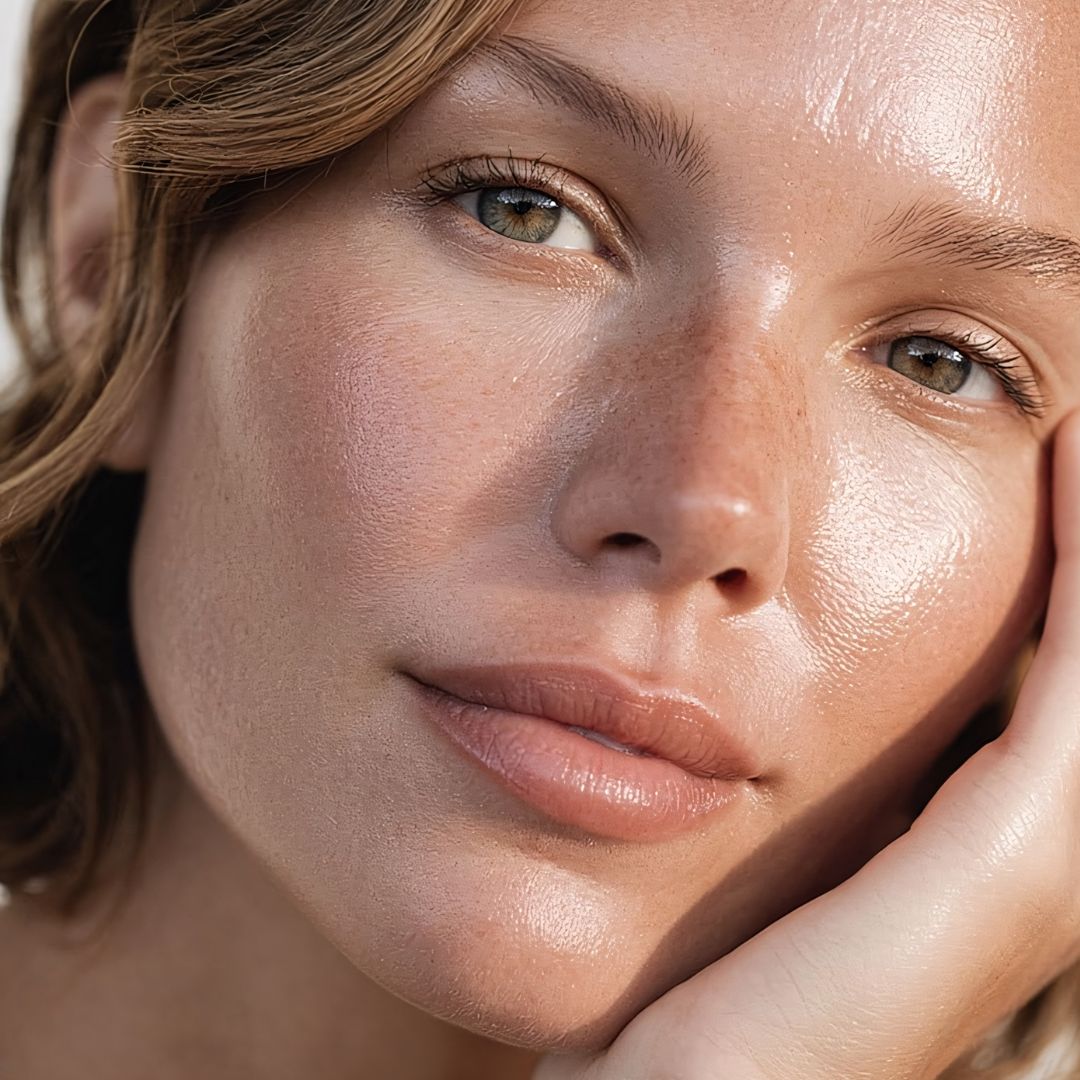
Spicules - liquid microneedling without pain
If 2024 belonged to needle rollers, 2026 belongs unmistakably to spicules. These are microscopic needle-like structures obtained from marine or freshwater sponges, which work as a non-invasive delivery system for active ingredients. Spicules pass through the horny layer of the skin and create microchannels, which allow serums to travel up to 500 % deeper. According to studies published in the Journal of Cosmetic Dermatology spicules stimulate collagen through the skin's natural healing process, without any need to damage the skin with devices.
What do the experts say?
The Cosmetics Business agency names spicules the key ingredient of the year for clinic-grade care at home. Women love the immediate glass skin effect, which appears after the very first use thanks to the wonderful rush of circulation.
Senolytics - the end of the zombie cell era
The greatest shift in the field of longevity is the work with senescent cells. These cells, nicknamed zombie cells, no longer divide, yet they do not die away either. They remain in the tissue and release pro-inflammatory proteins, which speed up the ageing of the healthy cells around them. New generations of serums contain senolytics – substances such as quercetin, spermidine or grape seed extracts, which can selectively identify these zombie cells and clear them away.
The portal Longevity.Technology notes that senolytic cosmetics are the logical outcome of medical research into extending human life, applied directly to the body's largest organ – the skin.
Caring for your skin during rapid weight change
In Slovakia we increasingly come across expert discussion about the influence of modern metabolic treatments and rapid weight reduction on the quality of the skin. Aesthetic doctors point to the phenomenon of the empty face, where the skin cannot keep pace with the loss of subcutaneous fat. Our dermatologists emphasise that this is not only about wrinkles, but about a deep loss of supporting structures such as collagen and elastin. When the face loses its natural volume, the skin begins to look dull and tired.
The trend is no longer only surface hydration, but biostimulation. The aim is to encourage your own cells to produce new tissue intensively. Coming to the fore are preparations containing amino acids, nucleotides and specific peptides, which give the skin density from within.
Instead of invasive procedures, in 2026 women are looking for a non-invasive path, which includes products that support the firmness of the skin and bring brightness back to the face without the unnatural fullness of fillers.
Neurocosmetics and the connection between skin and brain
While in the past we approached stress only through meditation, 2026 approaches it through the epidermis. Neurocosmetics is a scientific direction focused on the interaction between the nervous system and the skin, which contains receptors that communicate directly with the brain. Ingredients such as the extract of the plant Tephrosia purpurea are able to block the release of cortisol in the skin and stimulate the production of beta-endorphins.
According to a report by Personal Care Insights, neurocosmetics is the answer to the global burnout crisis. Under the influence of these substances the skin does not only look rested, it genuinely shows a lower level of inflammatory processes brought on by psychological stress. As the specialist portal Beauty Independent also notes, 2026 is the year in which cosmetics stop being merely a surface matter and become part of our overall hormonal and metabolic balance. We could say that skin care is no longer only an aesthetic matter, but begins to reach into caring for our inner world as well.
When cosmetics are guided by data
In 2026 the era of guessing what your skin might need comes to an end. Metabolic monitoring is arriving. What does that mean? Personalisation has reached its peak in the form of non-invasive biosensors. According to the predictions of the Mintel agency, it is becoming common to use patches or devices that measure the level of glycation and oxidative stress in real time. Based on a morning measurement, an app recommends the exact ratio of antioxidants for that day. Beauty is becoming an exact science, where every step is grounded in biometrics.
A beauty glossary for 2026
So that you don't get lost in the flood of scientific terms while choosing your new routine, we have prepared a brief glossary of the words that will define world cosmetics this year.
- Spicules: Microscopic needles of organic origin from marine or freshwater sponges. They work as a non-invasive transport system, which carries active ingredients deep into the skin with no need for a device treatment.
- Senolytics: Substances such as quercetin or fisetin, which seek out and clear away the so-called zombie cells. These ageing cells in the skin no longer work, but they spread inflammation. Letting them go means a cellular restart.
- Exosomes: Nanometric vesicles that serve as messengers between cells. In cosmetics they deliver precise instructions to damaged cells for repair and for abundant collagen formation.
- Neurocosmetics: Products influencing the skin-brain connection (known in English as the Skin-Brain Axis). They contain substances that lower the level of the stress hormone cortisol directly in the skin and stimulate the production of endorphins.
- Redensification: The process of restoring the density and volume of the skin. Unlike ordinary lifting, it focuses on renewing the subcutaneous tissue and supporting adipocytes (fat cells).
- Bio-identical ingredients: Molecules created in a laboratory through precision fermentation. They are 100 % identical to the substances in our body, which ensures maximum tolerance and zero waste in production.
- ATP support in the cosmetics field: Care focused on recharging the cellular power stations (mitochondria). It raises the level of ATP (cellular energy), which speeds up all the repair processes in the skin.