
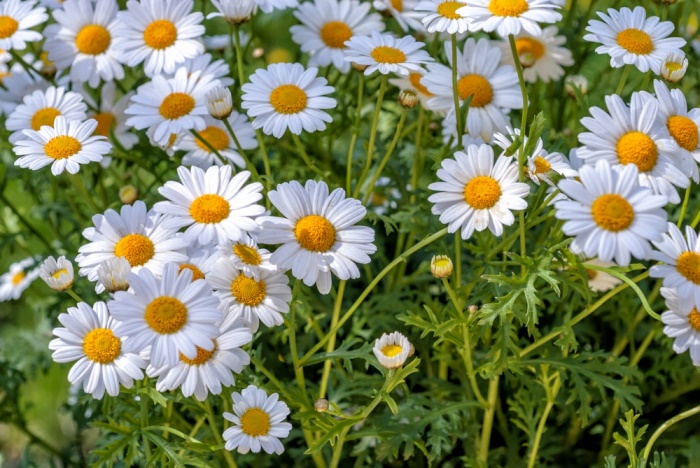
German chamomile, or Matricaria chamomilla, is a well-known herb valued for its kind qualities and its calming nature. This gentle herb has a rich history in traditional herbal medicine and is treasured for its versatility and its many possible uses. Below we set out the ways it is most often used and what it is traditionally reached for.
German chamomile and its traditional uses
- is traditionally reached for to support the body's natural defences
- is valued for its antiseptic qualities
- is traditionally used where bacteria are a concern
- is traditionally used to calm irritation, inside and out
- is traditionally reached for when something aches
- is traditionally used to support cleansing and digestion
- is traditionally used to support the flow of bile
- is traditionally used to cleanse the digestive tract
- is traditionally used to bring digestion into rhythm
- is traditionally used to calm irritation in digestion
- is traditionally reached for with bloating
- is traditionally used to support the healing of small injuries
- is traditionally used to cleanse minor wounds
- is traditionally used with the look of scars
- is traditionally used to support the skin's natural recovery
- is traditionally used to calm the nervous system
- is traditionally reached for to support restful sleep
- is traditionally used to ease stress and restlessness
- is traditionally reached for during migraines
- is traditionally used when muscles and joints feel sore
- is traditionally reached for with menstrual discomfort
- is traditionally used to support a settled menstrual cycle
- has a hydrating and antioxidant effect on the skin
- is traditionally used as a natural brightener
- gives the skin a healthy spark
- soothes irritated skin
- is traditionally used to care for skin that has had too much sun
- is traditionally used for skin prone to blemishes
- softens the look of uneven skin
- helps protect the skin from free radicals
- helps prevent premature ageing
- softens puffiness and shadows under the eyes
- brings shine to the hair
- supports the natural colour of the hair
- is traditionally used with flakes on the scalp
- is traditionally used to help hair cope with strong sunlight
- soothes an unsettled stomach
- is traditionally reached for with the discomfort of stomach ulcers
- is traditionally used with heartburn
- is traditionally used with irritable bowel discomfort
German chamomile is also a friend to digestion
One of the loveliest qualities of German chamomile is its potential to support relaxation and calm. It is traditionally associated with soothing properties that may help ease occasional stress and unease, offering a natural and gentle approach to emotional wellbeing. Beyond its calming side, German chamomile is also known for the way it supports digestive comfort. It has qualities that may help ease occasional digestive discomfort and support a harmonious gastrointestinal system.
German chamomile tincture
Chamomile is also used for its ability to soothe the skin. German chamomile has found its way into everyday skincare thanks to its ability to nourish the skin, leaving it fresh and revitalised. In its various forms, including German chamomile tinctures, this versatile herb continues to be used by those looking for natural ways to support their overall health and wellbeing. Its long-standing reputation and its many qualities make chamomile a sought-after ingredient in the world of herbal preparations.
German chamomile – frequently asked questions
Can German chamomile be used every day?
German chamomile has been used for centuries and remains one of the most beloved herbs in the world. Many people drink chamomile tea daily or use chamomile extracts. It is generally considered mild and well tolerated, which makes it a common part of everyday herbal routines.
Herbs that are alternatives to German chamomile
Chamomile is often compared with lavender or calendula, because these herbs have a similar history in herbal traditions. What makes chamomile unique, though, is its gentle apple-like scent and its long-standing reputation as one of the most used herbs in teas, tinctures and natural cosmetics. Do watch out for stinking chamomile, however – it is a different species that looks similar but is not used for the purposes described here. The easiest way to tell them apart is by scent: German chamomile smells beautifully, while stinking chamomile has an unpleasant odour.
What is the best way to use chamomile?
Chamomile can be prepared in several ways. Traditionally it is used in tinctures, teas and infusions. Some prefer drinking chamomile tea for a soothing herbal moment, while others choose tinctures for a more concentrated extract. Oils containing chamomile are also widely used in natural cosmetics and aromatherapy.
Can German chamomile be combined with other herbs?
Of course – German chamomile pairs beautifully with peppermint, fennel and valerian, for example. It is often part of herbal blends for tea. Many herbalists combine chamomile with complementary herbs to create a synergistic, harmonious blend.
German chamomile – interesting facts
- The English word "chamomile" comes from a Greek word meaning "earth apple", because of its pleasant apple-like aroma.
- Chamomile has been used in traditional medicine for more than 2000 years and was highly valued by the ancient Egyptians, Greeks and Romans.
- In the Middle Ages chamomile was often scattered on the floor at festivals for the pleasant scent it released when stepped on.
- Chamomile flowers close at night and open again with the morning sun, following a natural rhythm.
- The plant is commonly used in natural cosmetics, appearing in creams, toners and even shampoos.
- Chamomile is a favourite among gardeners, because it attracts pollinators and helps improve the quality of the soil.