
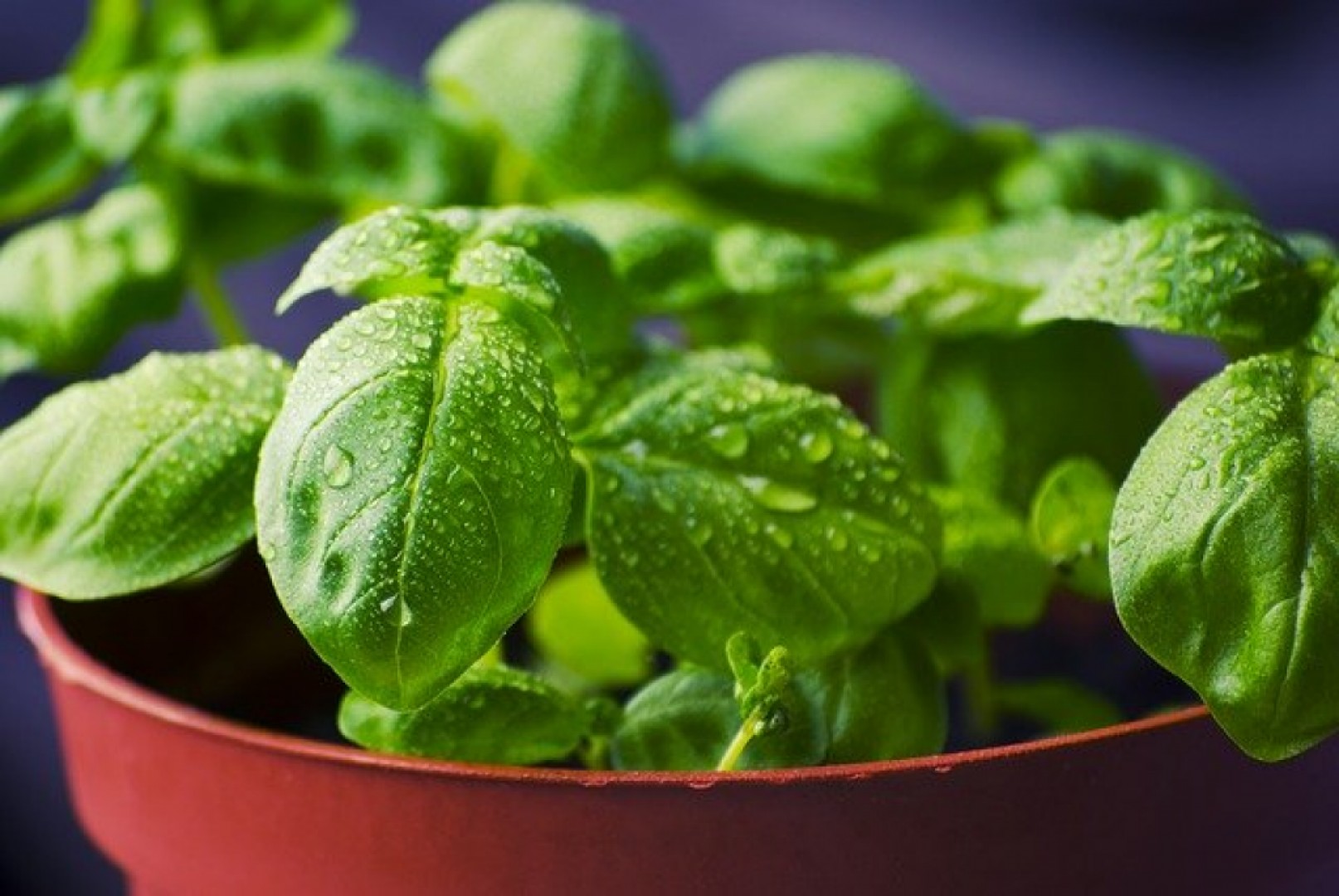
Basil and its effects
- basil has a positive influence on immunity
- strong antiseptic effects - anti-inflammatory and antiviral
- helps with infections
- awakens the appetite
- helps with nausea
- is traditionally used with ear infections
- lowers blood pressure, stress and anxiety
- works with headaches
- works as an anti-inflammatory with mouth ulcers, complaints of the oral cavity and inflamed gums, chronic gastritis, chronic colic and cysts
- supports lactation
Basil helps immunity
Basil is beloved for its wide spectrum of health benefits, which are attributed to its rich content of essential oils, antioxidants and bioactive compounds such as eugenol, linalool and rosmarinic acid. Basil is traditionally used to support the health of digestion, to ease stress and to strengthen immune function. Its anti-inflammatory, antimicrobial and adaptogenic properties make it a versatile remedy for calming digestive discomfort, easing inflammation and supporting mental wellbeing and relaxation. With a history rooted in the ancient Egyptian, Greek and Roman civilisations, basil is a cornerstone of culinary and medicinal practice. From supporting digestion to strengthening the immune system, basil is truly a versatile herb.
Basil tincture
The benefits that basil offers can be received simply and comfortably with a basil tincture, which is drawn from its leaves and flowers. A few drops of basil tincture can be added to your favourite drink, ideally to water or tea. In this way you receive a concentrated form of basil's beneficial compounds to support digestive comfort, ease stress and support overall wellbeing. Black elder is known professionally as Sambucus nigra. It is a deciduous shrub or small tree that stands out with its compound leaves, clusters of tiny white flowers and small black berries. This versatile plant grows in regions with a mild climate throughout Europe, North America and parts of Asia, often thriving in woodlands, hedgerows and along riverbanks.