
What is thyme?
Thyme, known botanically as Thymus vulgaris, is a versatile herb celebrated for its culinary, traditional and cosmetic qualities. This aromatic plant belongs to the mint family and comes from the Mediterranean region. Thyme is known for its earthy, slightly minty scent and flavour. For centuries it has been used as a spice, as a traditional herbal helper and also as a skincare ingredient. Its notable antiseptic, antibacterial and soothing properties make it a lovely ingredient for natural cosmetics and various other products.
The origin of thyme
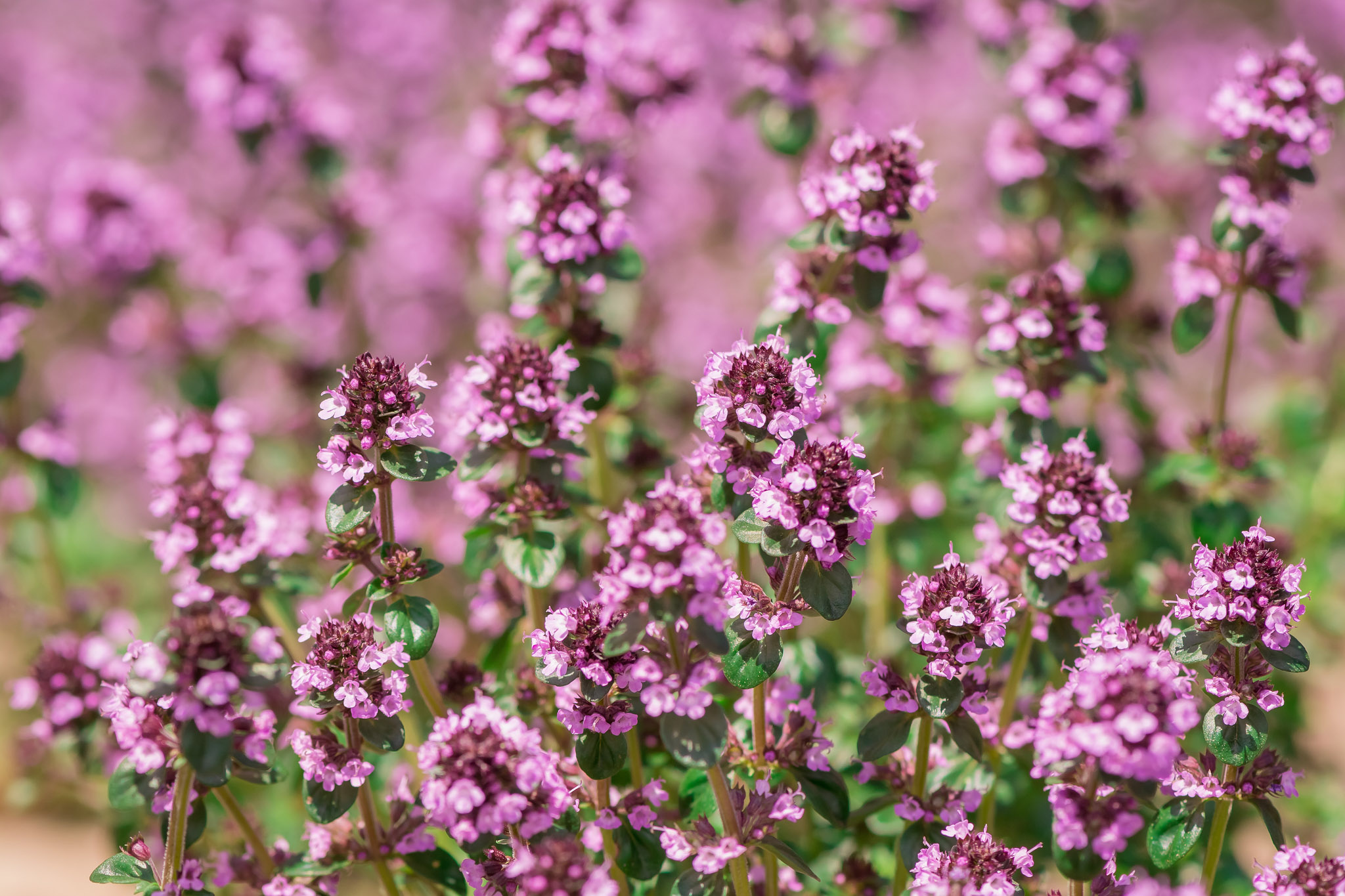
Thyme has a wonderfully rich history reaching back to ancient civilisations. The Egyptians used thyme in embalming, while the Greeks burned it as incense in their temples. They believed it brought courage and purification. The name thyme comes from the Greek word thymos, meaning spirit or courage. During the Middle Ages thyme was placed under pillows to chase away nightmares and to bring protection and strength. Over time thyme also came to be treasured for its traditional healing uses. Thymol, which thyme contains, became a cornerstone of traditional care for infections, breathing troubles and skin complaints. Today thyme is a key ingredient both in traditional herbal preparations and in modern natural cosmetics.
The uses and benefits of thyme
Thyme is far more than a culinary herb. Thanks to its wide range of benefits it has a place in skincare, health and wellbeing. Here are some of its most notable uses:
1. The antibacterial and antiseptic qualities of thyme
Thyme contains thymol, an effective compound that helps keep bacteria and fungi in check. This makes thyme a lovely companion for blemish-prone skin, small skin irritations and minor grazes. It also helps cleanse the skin and keeps bacteria from multiplying further.
2. Thyme has soothing, anti-inflammatory qualities
The soothing properties of thyme reduce redness, swelling and discomfort on the skin. It calms conditions such as blemishes, eczema-prone skin and irritation, while supporting the skin's natural renewal.
3. Thyme helps bring the skin into balance
Thyme helps regulate sebum production, which makes it an excellent ingredient for oily and blemish-prone skin. By keeping excess sebum in check, thyme contributes to clearer, healthier-looking skin.
4. Natural cleansing with thyme
The cleansing qualities of thyme purify the skin by lifting away impurities. It works as a natural cleanser, leaving the skin refreshed and revitalised.
5. Thyme supports breathing and wellbeing
Thyme has been reached for since time immemorial when breathing feels troubled – with a cough, a cold or bronchitis. Its aromatic qualities also have a calming and uplifting effect.
PANAKEIA products with thyme
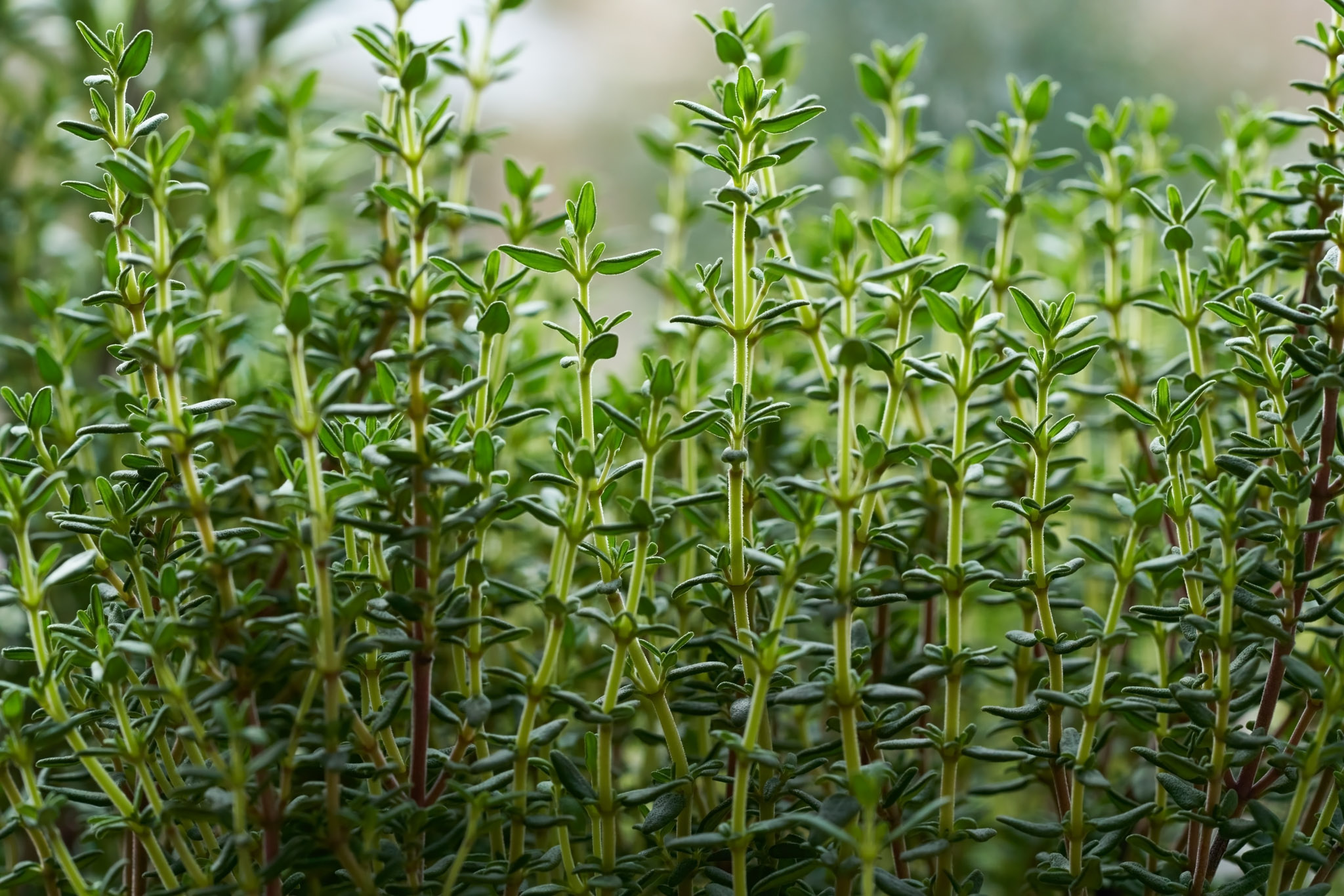
At PANAKEIA we recognise the unique benefits of thyme and have woven it into our natural skincare products. Together with other effective ingredients, they care for troubled skin and support your overall wellbeing. Here are two of our exceptional products with thyme:
Thyme tincture
Thyme tincture is a traditional herbal preparation with notable antibacterial and soothing qualities. This tincture is suited to internal and local use; it is traditionally reached for to support immunity, to soothe a sore throat and to care for minor skin complaints. A few drops can cleanse and calm irritated skin, offering a wholly natural answer to everyday skin and wellbeing needs.
ĎUBÁČIK – bioactive serum for blemishes
ĎUBÁČIK bioactive serum for blemishes is a targeted roll-on for spots, pimples and other small imperfections. Thanks to the antibacterial strength of thyme, this serum works as a natural answer to skin discomfort and inflammation. It approaches blemishes as an inflammatory process, soothing the affected spots while keeping bacteria from spreading. Its carefully created formula deeply nourishes stressed skin, reduces redness and supports the skin's natural renewal.
Frequently asked questions about thyme
1. Can thyme help with blemishes?
Yes, thyme is a lovely companion for blemish-prone skin thanks to its antibacterial and soothing properties. It keeps bacteria in check, calms redness and supports the skin's natural renewal.
2. Is thyme safe for sensitive skin?
It is important to look at the complete formulation of each product, but thyme itself is generally safe for sensitive skin when it is used in well-made preparations.
3. Can thyme be used in scalp care?
Yes, thyme is excellent for scalp health. Its antibacterial properties can help with flakes and support healthy hair growth by improving circulation in the scalp.
4. How often should I use thyme-based products?
Thyme-based products can be used daily, especially for targeted care of blemish-prone or oily skin. For the loveliest results, follow the instructions from the maker.
5. What is the difference between thyme and baby's breath?
Common thyme (Thymus vulgaris) and baby's breath (often referred to as Thymus serpyllum) are very different plants. Thyme is a herb known for its antibacterial and soothing properties, commonly used in skincare and in traditional herbal preparations. Baby's breath, on the other hand, is primarily decorative and is often used in floral arrangements. Unlike thyme, baby's breath has no significant skincare benefits or traditional herbal uses.
Interesting facts about thyme
- Thyme was used in ancient Egypt as an embalming agent for its antibacterial qualities.
- In the Middle Ages, knights carried thyme to strengthen their courage before battle.
- Thyme is a natural insect repellent and has been used for centuries to protect clothes and homes.
- Thyme essential oil contains thymol, which is also found in mouthwashes for its antiseptic qualities.
- The Romans used thyme to flavour cheese and alcohol, to improve taste and digestion.
- Thyme flowers attract bees and produce one of the most aromatic and delicious honeys in the world.