
Medicinal mushrooms have exploded in popularity over the past decade, even though their roots reach far deeper. Mushrooms such as Reishi, Chaga, Shiitake, Maitake, Lion's mane, Cordyceps Sinensis and Tremella have been used since time immemorial in Chinese and Eastern European folk traditions. And they are finally getting the worldwide attention they rightly deserve. Whether you have seen them in powdered extracts, capsules, tinctures or teas, these mushrooms are loved especially for their complex bioactive compounds and their long cultural history. In this article we take a closer look at what makes each of them unique – and why more and more people are turning to them.
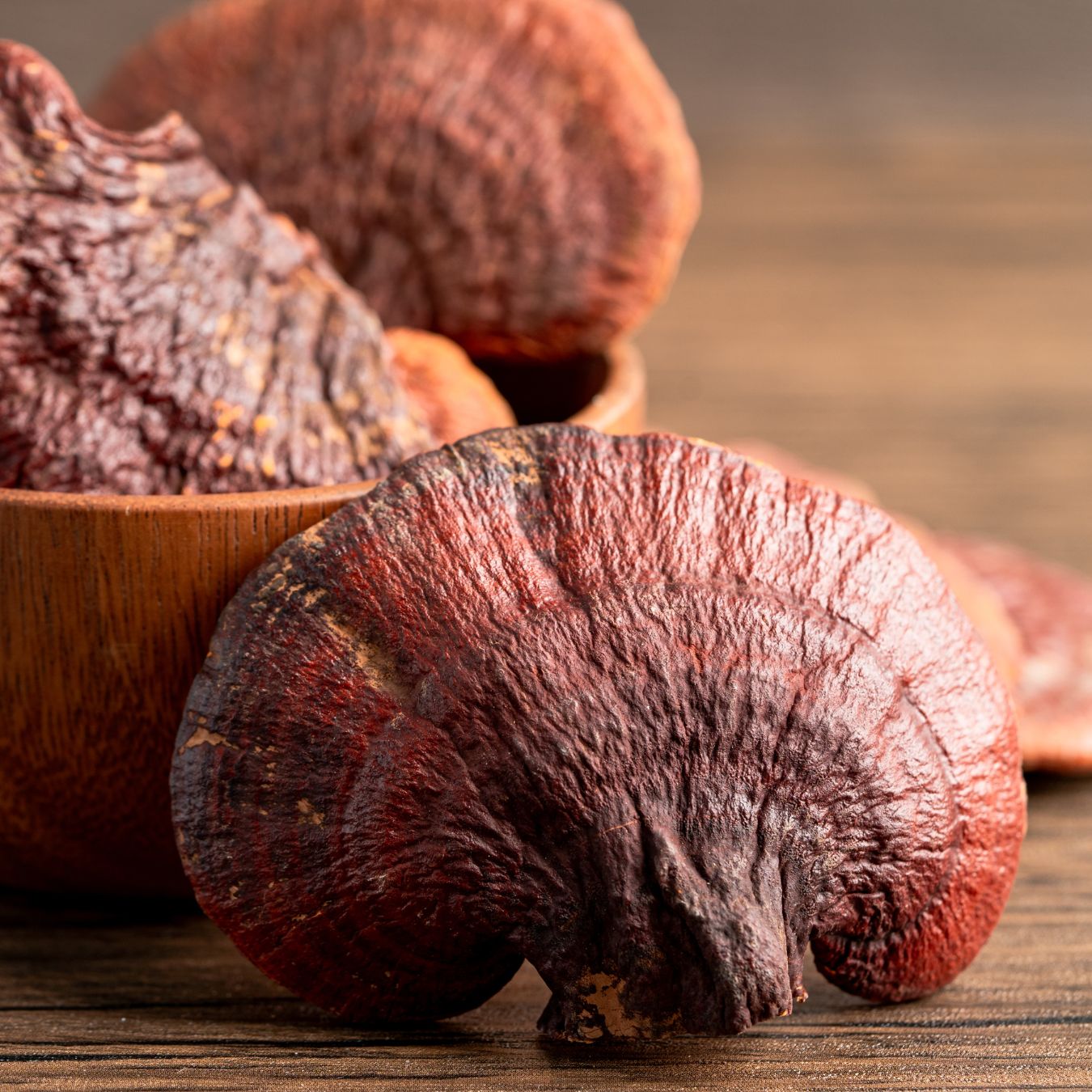
Reishi (Ganoderma lucidum): the mushroom of immortality
Reishi is often called the “mushroom of immortality” for the way it is traditionally used to support the immune system. In Chinese medicine it is known as Lingzhi and has been used for more than 2,000 years. This reddish, woody mushroom grows on broadleaf trees and is usually taken as a dried extract or in capsule form. Reishi is often added to calming or evening formulations. Thanks to its adaptogenic qualities it is a much-loved part of food supplements traditionally used to support immunity or care for the body as it ages. In our product range you will find reishi mushroom in capsules for better sleep, less stress and overall inner calm.
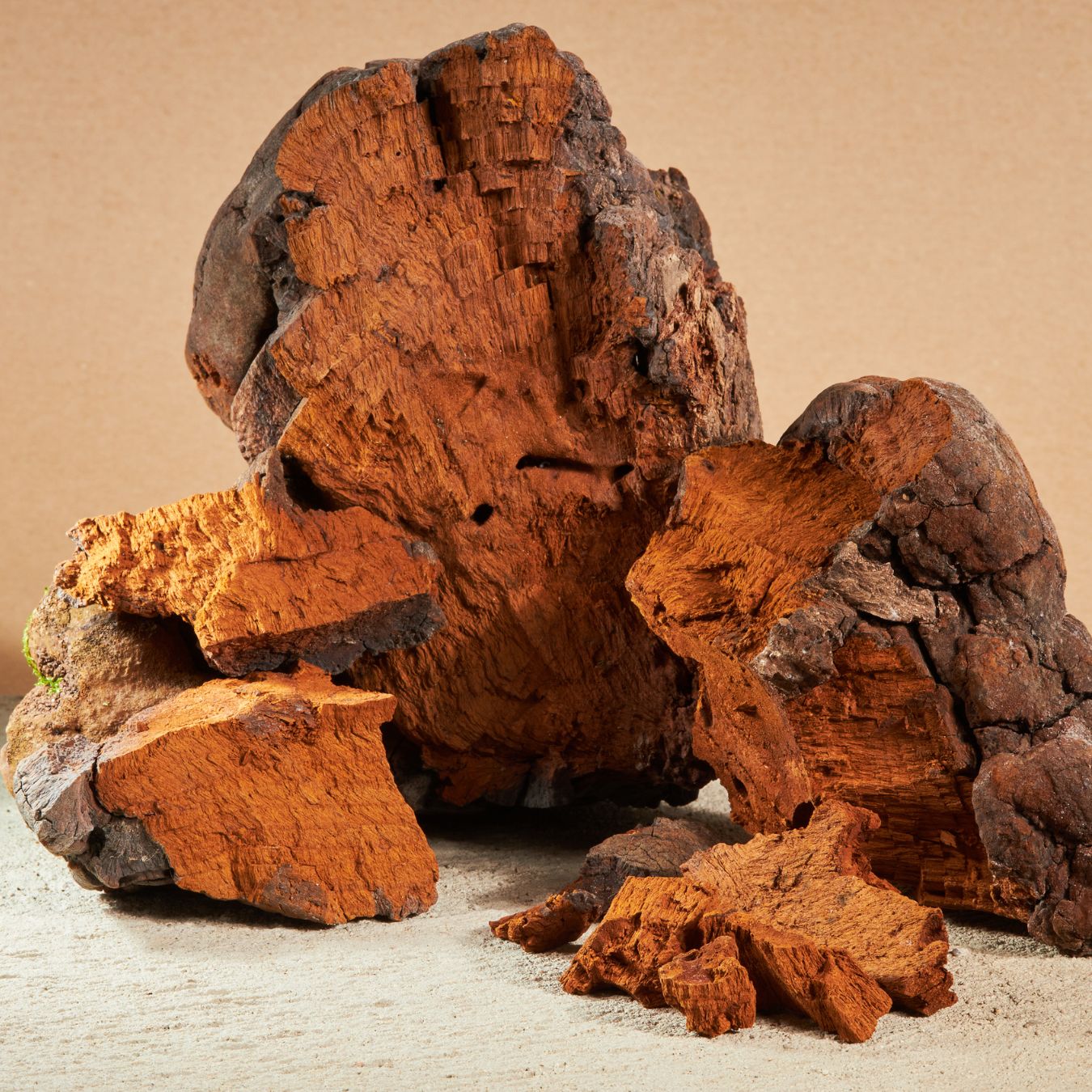
Chaga (Inonotus obliquus): the Siberian king
Chaga, which grows on birches in cold climates, looks more like burnt charcoal than a traditional mushroom. This unique mushroom is, however, full of melanin, polyphenols and other natural compounds. Chaga is traditionally prepared as a tea in Siberia and Eastern Europe. Many wellbeing benefits are traditionally associated with it, including support for immunity, digestion or easing stress. You can get chaga in the form of tinctures, dried pieces, powders, capsules or herbal blends.
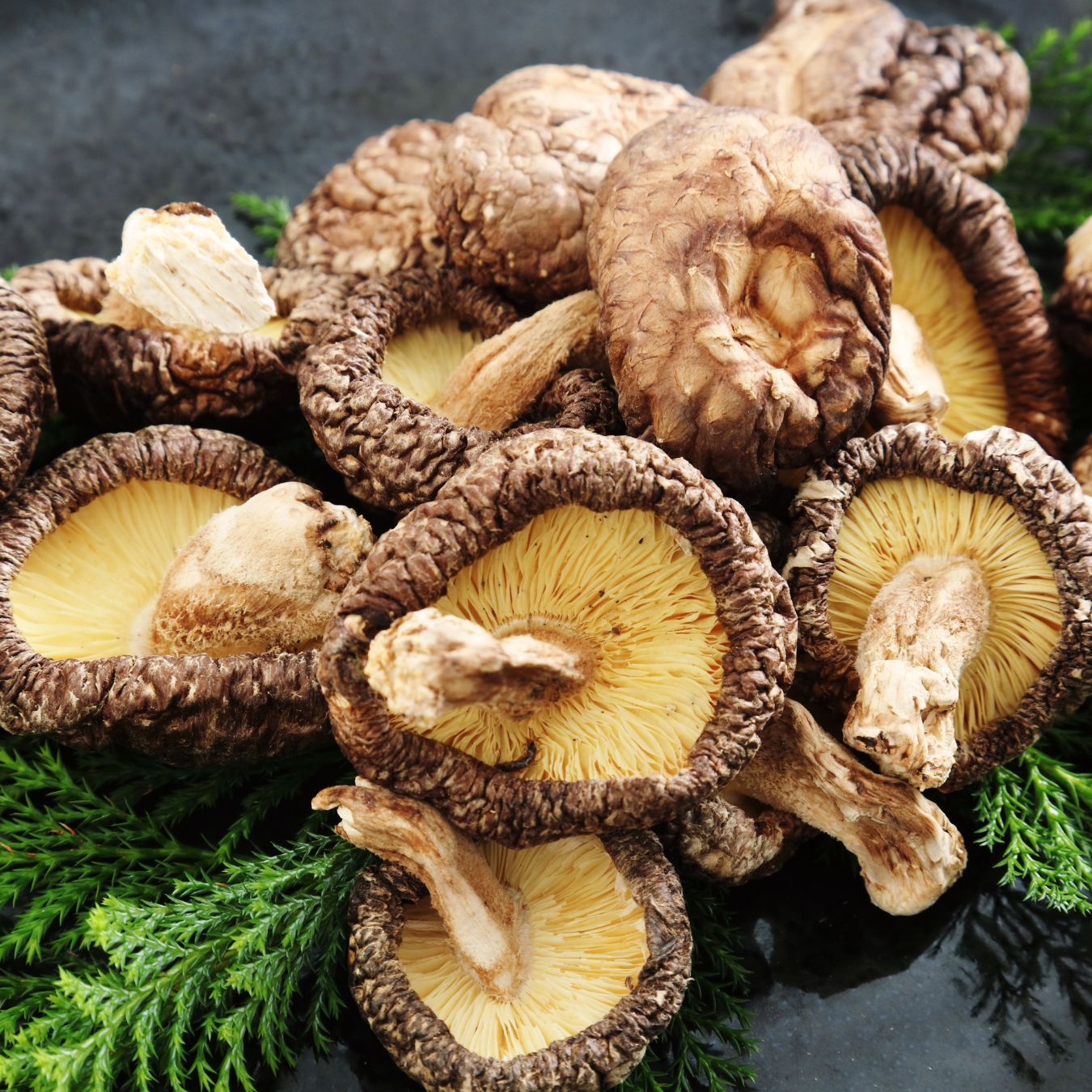
Shiitake (Lentinula edodes): more than just a culinary mushroom
Most people know shiitake as a delicious addition to soups and stir-fries in Asian cuisine. This mushroom is, however, also one of the most studied for its beta-glucan content. In natural formulations shiitake is often added for its high nutritional value and complex profile. It is often used as part of food supplements that focus on nourishment, vitality and balance for the whole body.
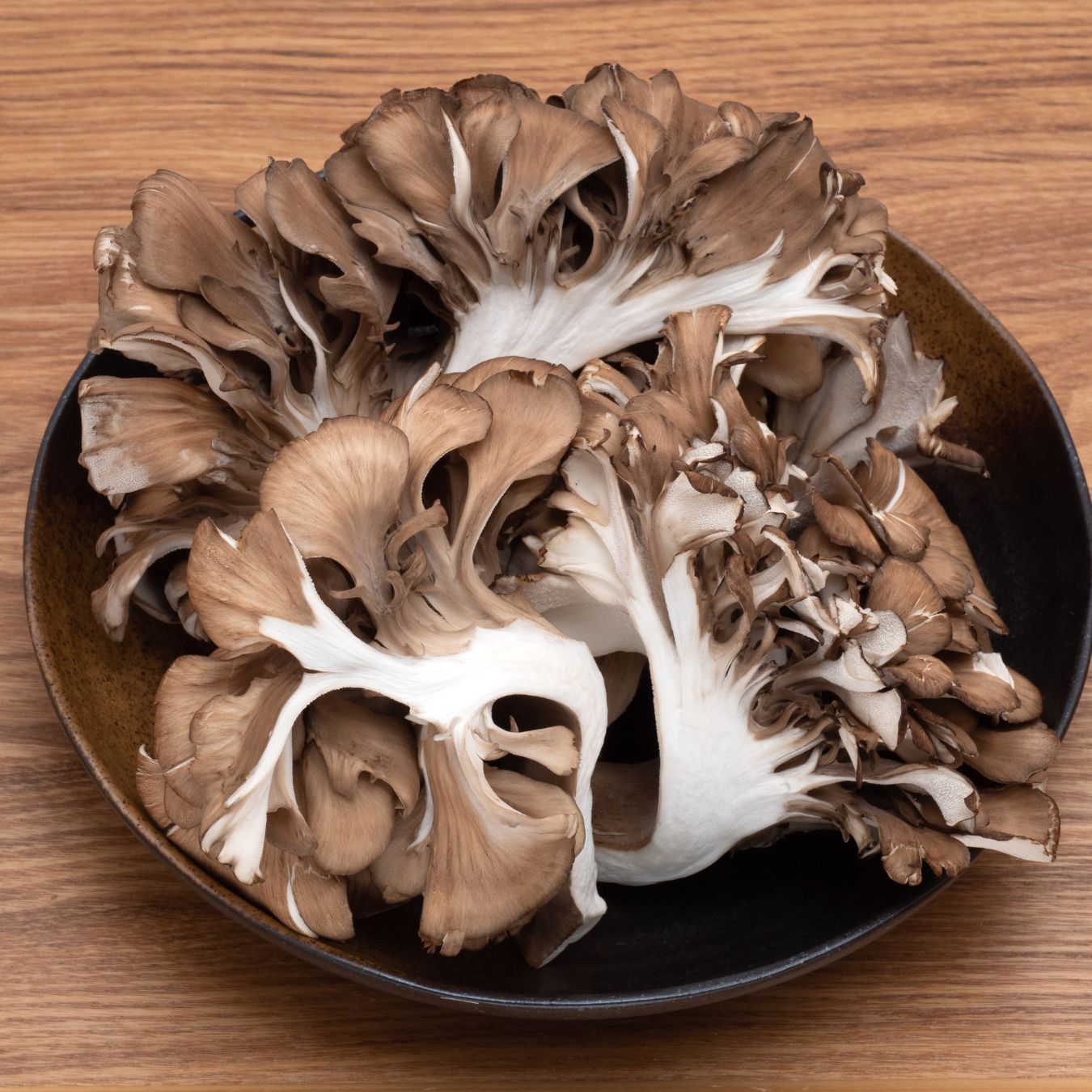
Maitake (Grifola frondosa): the dancing mushroom
In Japanese, maitake means “dancing mushroom” – legend has it that gatherers danced with joy when they found it in the wild. This large, feathery mushroom grows at the foot of oaks and is known for its complex polysaccharides. Maitake is often sold in capsule or powder form. Thanks to its long traditional use and balanced adaptogenic profile, it is one of the promising mushrooms that may hold hidden potential.
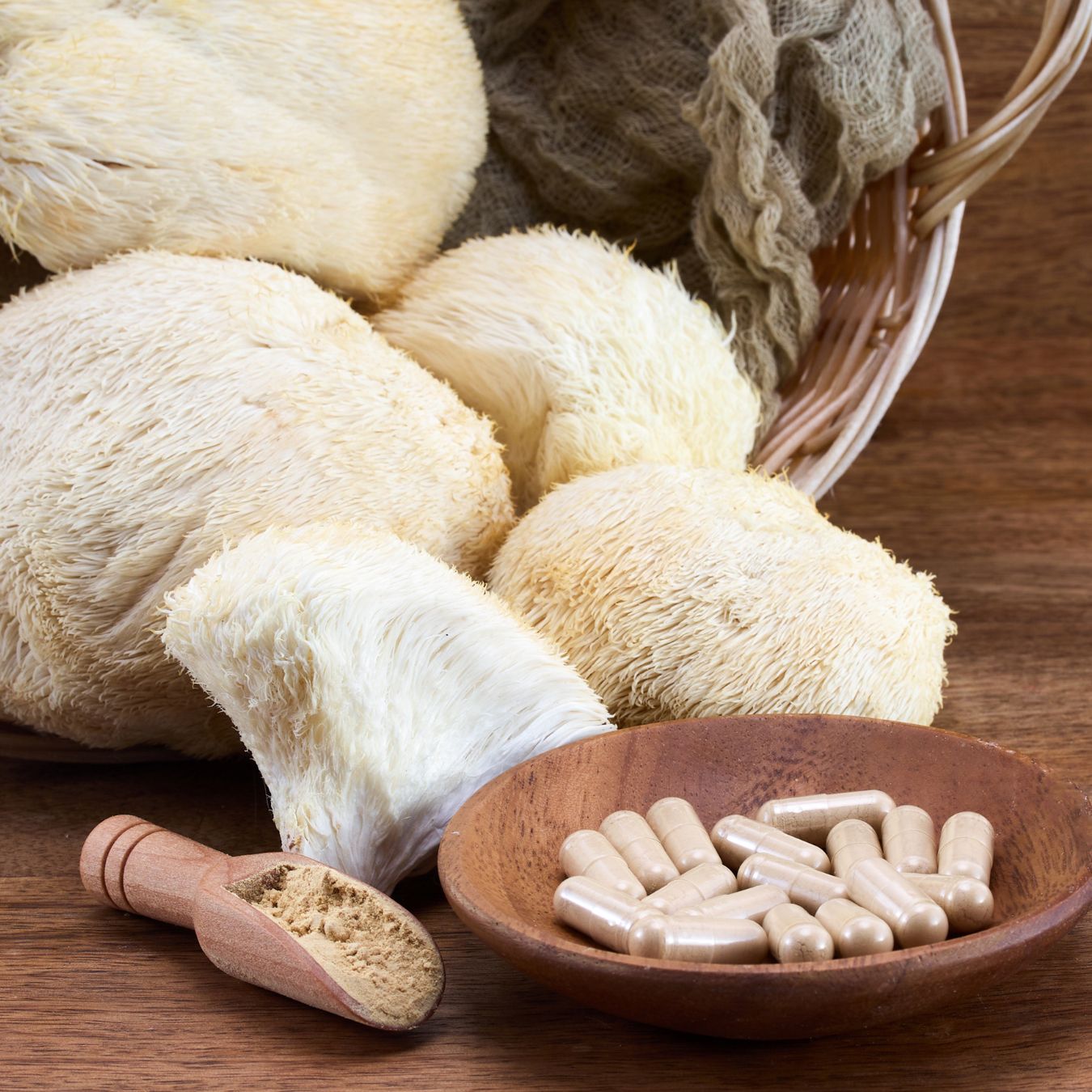
Lion's mane (Hericium erinaceus): the brain's helper
Lion's mane, which looks like a white, shaggy pompom, stands out in many ways. This mushroom has drawn the interest of scientists for the way it is said to support the nervous system. Although research is still developing, many people speak warmly of lion's mane and have already brought it into their daily routine. Focus, mental clarity and cognitive support are often mentioned as its benefits. It is especially loved by students, creative people and professionals. It is commonly taken in capsule form or as a tincture.
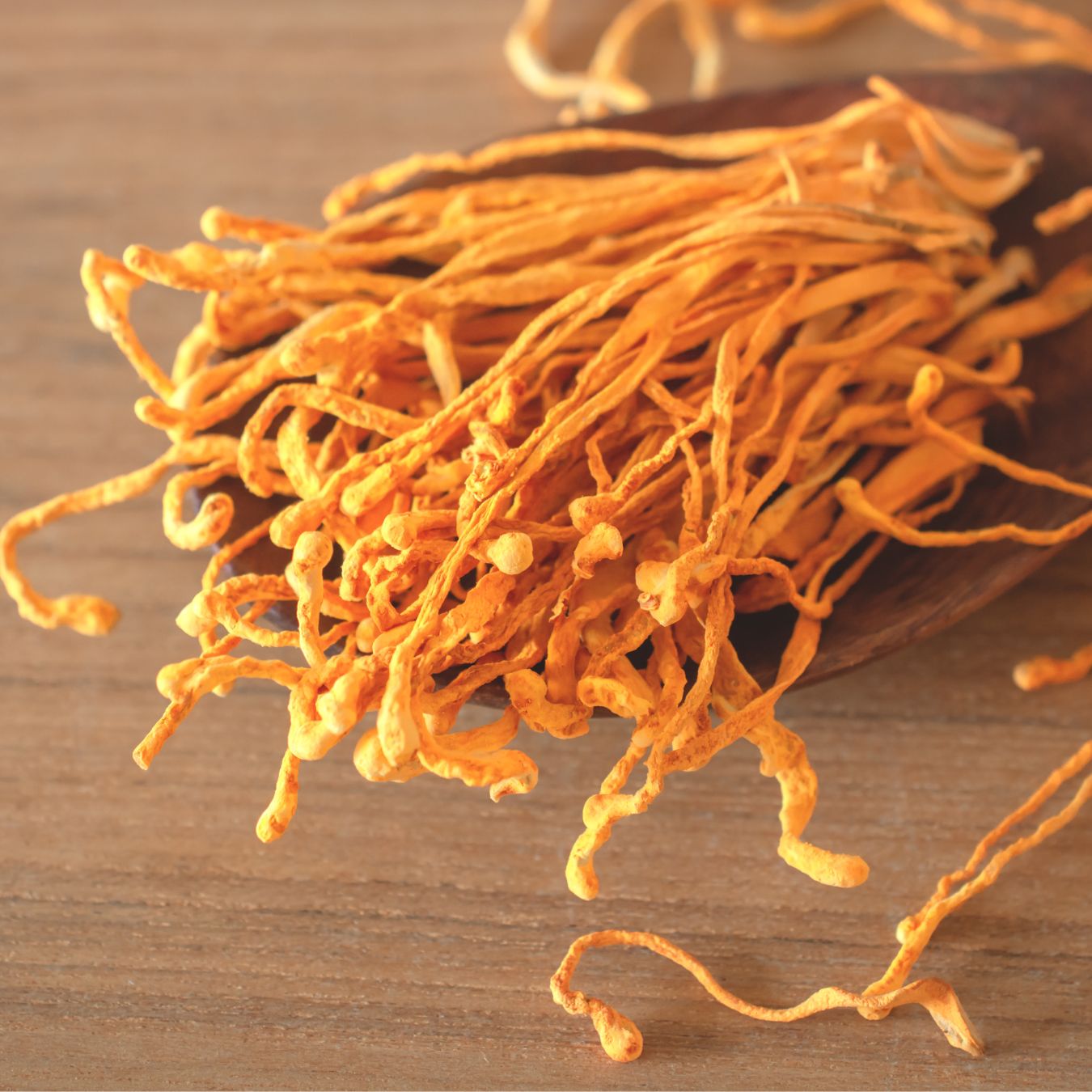
Cordyceps Sinensis: energy from high altitudes
Wild-growing Cordyceps Sinensis, known as the “caterpillar fungus”, is found naturally on the Tibetan plateau. Happily, most of today's supplements use fermented or cultivated forms, which avoid ethical or ecological concerns. Cordyceps often becomes part of fitness and performance blends and powders. It is appreciated by athletes and by anyone looking for energy without harsh stimulants. Panakeia offers a choice of cordyceps in capsules or as a tincture.
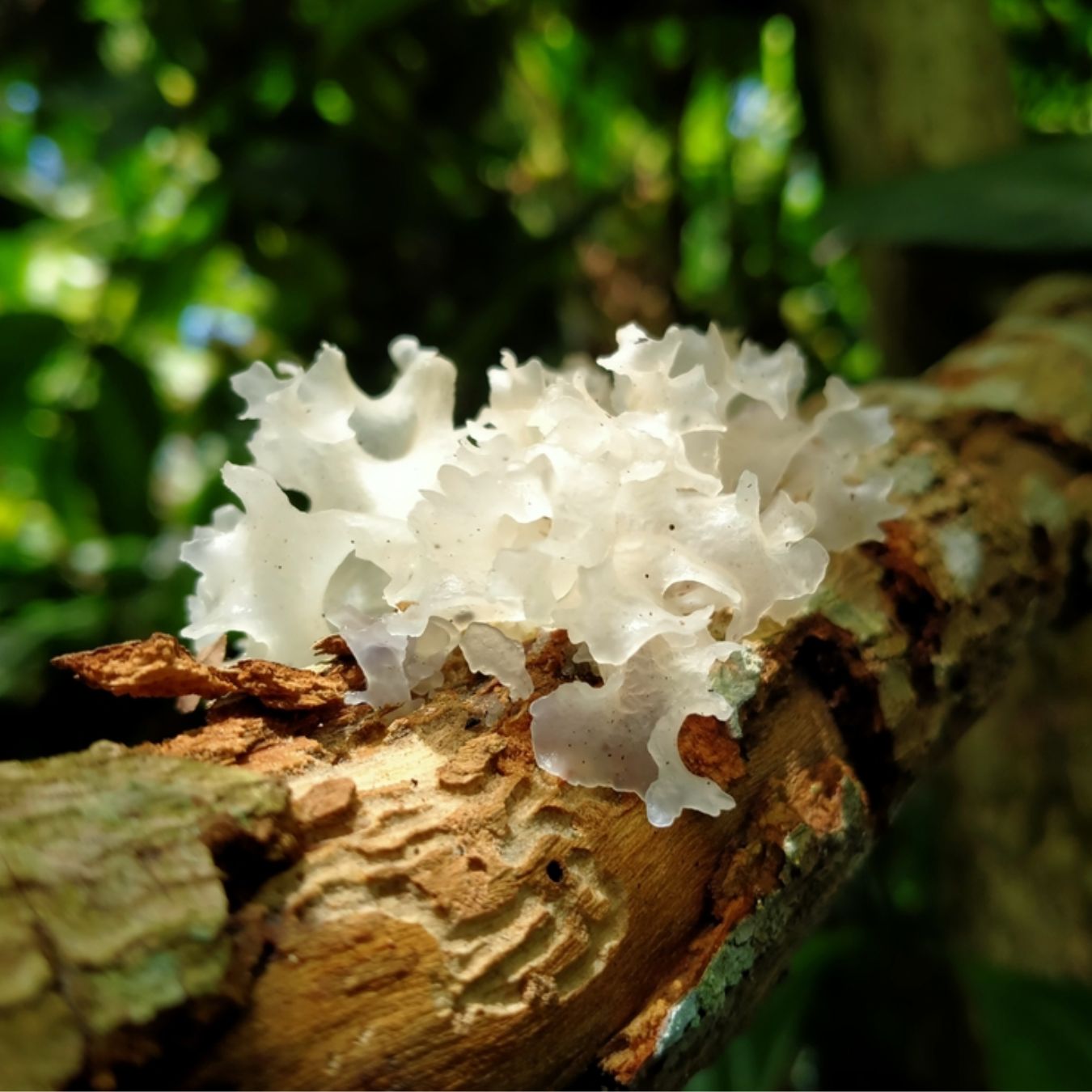
Snow fungus (Tremella fuciformis): the beauty mushroom
Snow fungus, also called Tremella or the snow mushroom, has been used in East Asian beauty rituals for centuries. Thanks to its jelly-like texture and its wonderful ability to hold water, it is sometimes compared to hyaluronic acid. It is often part of both edible food supplements and topical cosmetics. In capsule form it supports hydration from within and it is much loved in products for dry or ageing skin.
And what about the benefits of all these mushrooms in one?
Each of these mushrooms brings its own set of natural compounds, from beta-glucans to terpenes and antioxidants. Together, though, they offer a broad-spectrum food supplement with a synergistic effect. That is why we created the daily MIX 7 mushrooms supplement for you, combining all the mushrooms mentioned - Reishi, Chaga, Shiitake, Maitake, Lion's mane, Cordyceps and Tremella. Our tablets are formulated to deliver this blend in a balanced ratio, which is ideal for daily support without having to mix powders or brew teas.
Frequently asked questions about medicinal mushrooms
Can I take a mushroom mix too?
Yes. In fact, most modern food supplements are formulated as blends. Taking mushrooms together often gives complementary (synergistic) effects. You will find a mushroom mix in our range too.
When will the results come?
Medicinal mushrooms are not quick fixes, so this question cannot be answered precisely. Think of medicinal mushrooms as slow but steady companions. Most people take them regularly over weeks or months as part of a long-term healthy lifestyle routine.
Do medicinal mushrooms have any side effects?
These mushrooms are generally well tolerated. People with mushroom allergies, or people taking medicines or living with various health concerns, should speak with a healthcare professional before starting any new supplement.
What is the best way to take medicinal mushrooms?
Capsules are the most convenient and most consistent method. Tinctures are concentrated and absorb quickly. Powders allow flexible use in drinks or recipes. Choose whatever suits your lifestyle.
Interesting facts about medicinal mushrooms
- Reishi was depicted in ancient Chinese paintings as a symbol of longevity and spiritual strength.
- Chaga is technically not a mushroom – it is a hardened mass of mycelium called a “sclerotium”.
- Shiitake has been cultivated in Japan since at least the 13th century.
- In the wild, Cordyceps grows from caterpillars – although laboratory-grown versions are 100 % vegan and sustainable.
- Tremella is used in traditional Chinese desserts both for its taste and for its lovely effects on the skin.
- Lion's mane is one of the few mushrooms that can be used both in culinary dishes and in nootropic combinations.