
Stretch marks are a common skin concern in which stripes or lines form on the skin as a result of rapid stretching. They usually appear on the tummy, thighs, hips, breasts or arms. Stretch marks can be different colours, they start as red, purple or dark lines and over time they fade into a lighter, more blended shade. Stretch marks do not hurt and are painless, yet for many they can be a cosmetic concern. In this article we look at stretch marks more closely and answer some frequent questions about them.
What causes stretch marks?
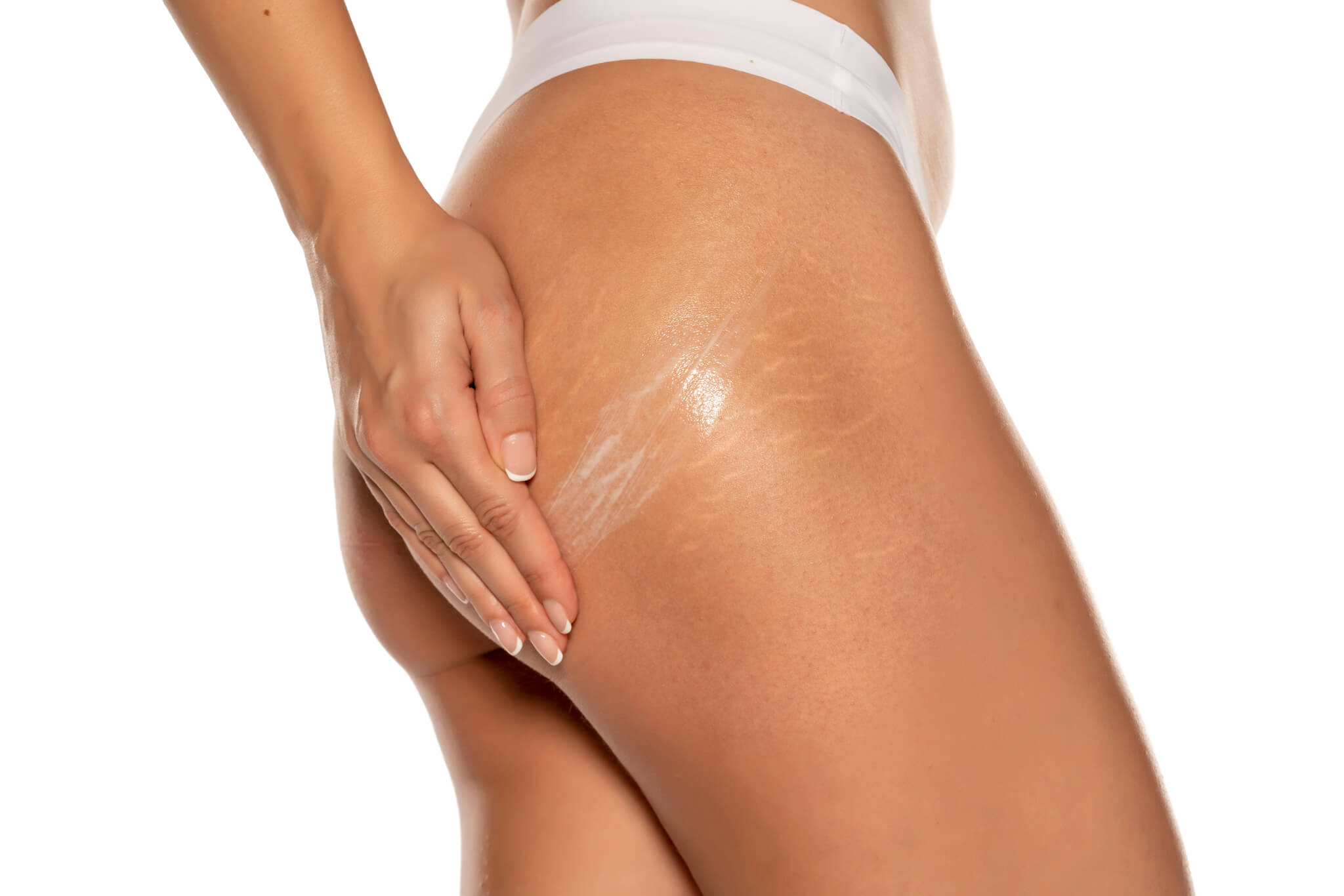
The most frequent cause of stretch marks is the rapid stretching of the skin. This happens when the middle layer of the skin, called the dermis, is stretched beyond its capacity. When that happens, the connective tissues break down, which leads to stretch marks. Stretching of the skin often occurs during periods of rapid growth or weight gain. Hormonal changes are another significant factor in the formation of stretch marks. Raised levels of certain hormones, such as cortisol, can weaken the skin's elastic fibres, making them more prone to tearing.
Who gets stretch marks most often?
Stretch marks can affect anyone, yet some groups of people are more prone to them because of factors such as age, genetics or lifestyle. Among the groups most at risk are:
Pregnant women and stretch marks
Pregnancy is one of the most frequent causes of stretch marks. As the growing bump and the whole body grow, the skin stretches, especially around the tummy, breasts and thighs. The rapid stretching of the skin during pregnancy, combined with hormonal changes, means that stretch marks are a common concern for mums-to-be.
Teenagers
In teenagers who go through a growth spurt during puberty, stretch marks can appear as their body changes. Boys often get them on the back, shoulders and thighs, while girls may see them on the hips, thighs or breasts.
Weight training and stretch marks
Rapid muscle growth as a result of weight training or bodybuilding can cause the skin to stretch relatively quickly, which leads to stretch marks. This is most common in areas such as the arms, shoulders and thighs. In other words, stretch marks form where the muscles grow fastest and most.
People with rapid weight changes
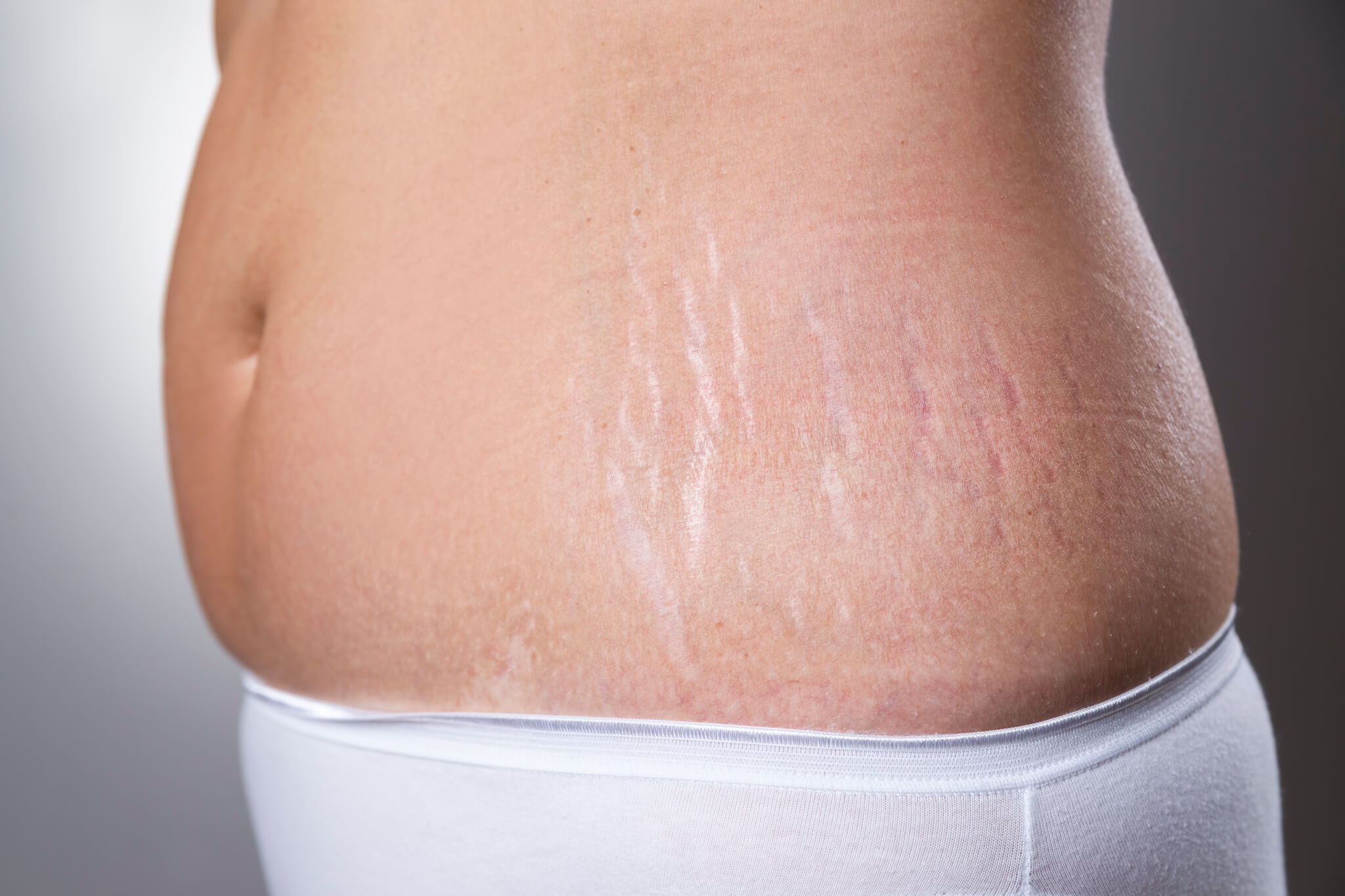
Whether as a result of gaining or losing weight, sudden changes in body size can cause stretch marks. People who experience rapid weight gain are at higher risk. Stretch marks can also appear with rapid weight loss, as the skin tries to adjust to the new shape of the body.
How to soften the look of stretch marks
Even though stretch marks are a natural part of life, there are ways to soften their appearance. Below we introduce the natural cosmetics that will help you care for stretch marks.
Luxurious whipped body butters for stretch marks
Our luxurious whipped body butter is made from a blend of shea butter, mango butter and macerated linden flowers. Shea butter is known for its deeply moisturising properties, while mango butter helps restore the skin's suppleness. This whipped composition hydrates the skin, softens the look of stretch marks and improves the skin's texture. The body butter is also enriched with vitamin E and fragrance oils, so it nourishes the skin and leaves a light, pleasant scent.
Regenerating balm for stretch marks
The Dokonalá žjenka regenerating balm was developed especially to help prevent and soften stretch marks. It contains a combination of organic shea butter, wheat germ oil, avocado oil and red mandarin. This blend of natural oils improves the skin's suppleness and deeply nourishes it, which makes it a wonderful choice both for helping to prevent new stretch marks and for softening the appearance of existing ones.
Organic rosehip oil
One of the loveliest natural oils for caring for scars and stretch marks is rosehip oil. This oil is rich in essential fatty acids and vitamins that support cell renewal and help stretch marks and scars to fade. Rosehip oil is traditionally reached for with older, deeper stretch marks and is also traditionally used in the care of skin after burns and acne marks.
Mumio for stretch marks
Mumio is a powerful natural substance known for its regenerating properties. In its purified liquid form, Mumio helps support cell renewal and strengthens the skin's suppleness. It can be applied to areas prone to stretch marks to improve the skin's ability to stretch without tearing, which makes it a wonderful preventive care.
Stretch marks and frequently asked questions
Can stretch marks be removed completely?
Although it is very difficult to remove stretch marks completely, their appearance can be significantly reduced with consistent care. Natural oils and moisturising preparations, such as our whipped body butters and organic rosehip oil, can help stretch marks fade over time by improving the skin's elasticity and supporting cell renewal.
When is the best time to start caring for stretch marks?
The best time to care for stretch marks is while they are still fresh and red or purple in colour. Early care helps improve the skin's elasticity and reduce the formation of deeper stretch marks. By regularly using products such as our Dokonalá žjenka regenerating balm, you can help prevent further strain on the skin and reduce the appearance of new stretch marks.
Does genetics play a role in stretch marks?
Yes, genetics can influence whether or not you are prone to stretch marks. If your parents have stretch marks, you are more likely to have them too, especially during periods of rapid growth or weight change.
Are stretch marks bad for my health?
No, stretch marks are not bad for your health. They are a purely cosmetic concern. Although they can sometimes cause itching or temporary discomfort, they pose no health risk.
Do men get stretch marks too?
Yes, stretch marks affect men just as much as women, especially during growth spurts in adolescence, with rapid gains in muscle mass from weight training or with weight changes. With weight training, men's stretch marks often appear in the places that see the fastest growth.
What you may not have known about stretch marks
- Stretch marks affect roughly 90% of pregnant women, which makes them one of the most common skin concerns during pregnancy.
- Stretch marks are not exclusive to people. Some animals, such as elephants and whales, can also develop stretch marks as a result of rapid growth.
- The Latin word for stretch marks is "striae", which means stripes, that is the characteristic lines that appear on the skin.
- Applying a moisturiser to the skin while it is still damp after a shower can help lock in moisture and improve the effectiveness of stretch mark care.
- Red stretch marks respond to care more easily than white or silver ones, because the blood vessels in the affected area are still working, which allows better absorption of active ingredients.