
Baking soda, also known as sodium bicarbonate, is probably one of the most versatile ingredients in your kitchen. Its reach, however, goes far beyond baking and cleaning. In the world of natural health and cosmetics, baking soda is both praised and questioned. Is it safe for the skin? Does it belong in deodorant? Can it replace chemically formulated products? In this article we take a closer look at this ingredient.
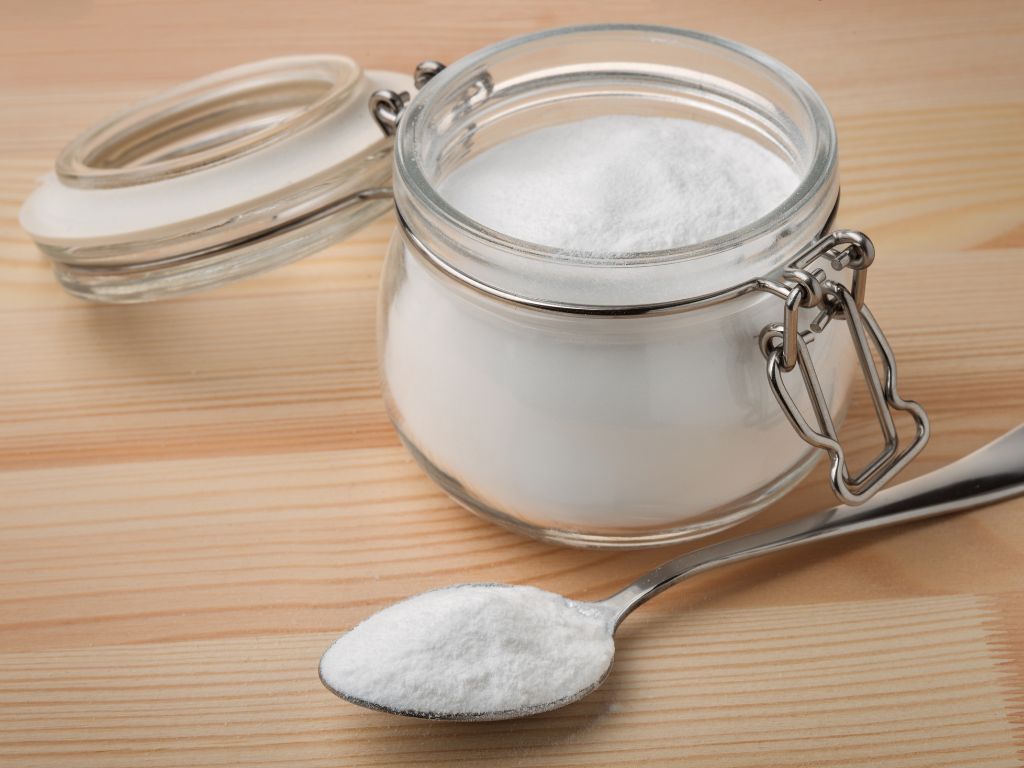
What is baking soda and why is it so popular?
Baking soda is an odourless white powder with mildly alkaline qualities. Known chemically as sodium bicarbonate, it reacts with acids and releases carbon dioxide, which is what makes it a raising agent in baking. But its gentle abrasiveness, its neutralising of odour and its ability to absorb oil also make it a staple of homemade cosmetic and hygiene products. Its appeal lies in its simplicity. For people turning away from synthetic ingredients, baking soda appears to be a natural solution. And in many cases it is, when used correctly.
Baking soda in natural cosmetics
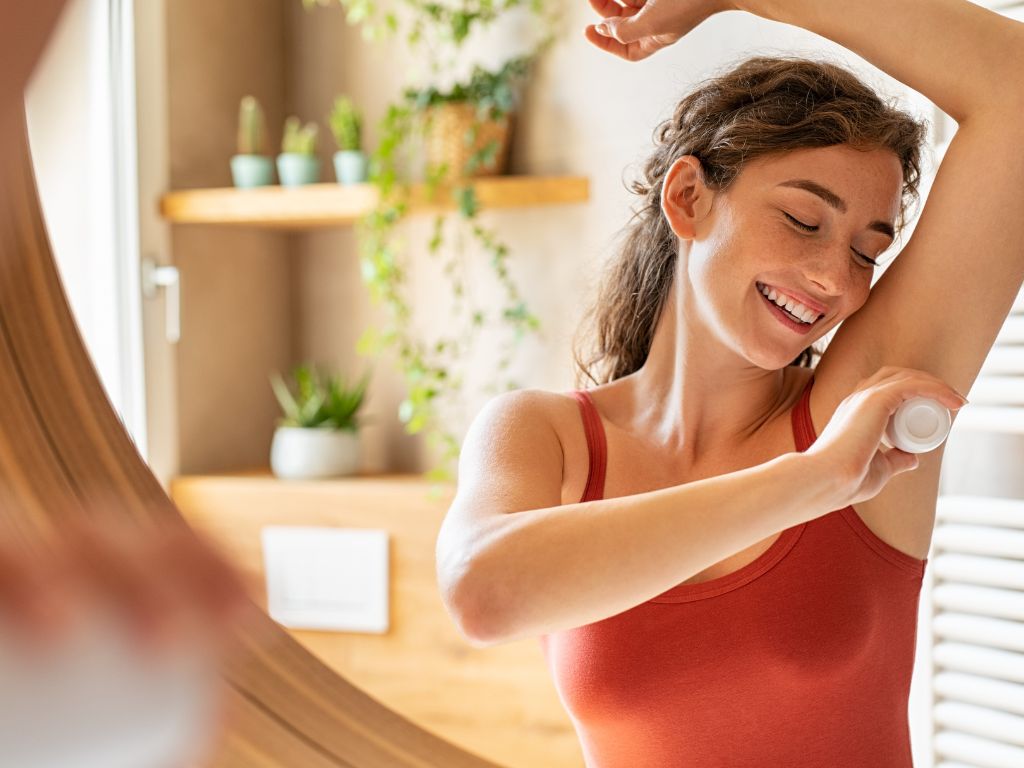
Natural deodorants
Baking soda is commonly found in both homemade and commercial natural deodorants for its ability to neutralise body odour. Its alkaline pH disturbs the acidic environment in which bacteria thrive. Not every skin type takes to it kindly. In some cases it can cause irritation, itching or a rash – especially in the sensitive underarm area. That is why many brands also offer baking soda free deodorants as alternatives for sensitive users.
Exfoliating scrubs for face or body
Thanks to its fine-grained texture, baking soda works as a physical scrub / exfoliant. Mixed with water, honey or oil, it creates a scrub that removes dead skin cells. You do need to be very careful, though. Its high pH can disturb the skin's natural acid mantle, which can lead to dryness or sensitivity if used too often or in sensitive places such as the face.

Tooth powder and oral care
Baking soda has long been used for cleaning teeth. It is mildly abrasive and can be helpful in removing surface stains. It also neutralises acids in the mouth. Everyday use should be balanced, however. Too much abrasiveness can wear down enamel over time, especially when combined with other whitening products.

Soothing baths
A teaspoon of baking soda added to a warm bath can help to soften the water and leave the skin smooth. It is a common ingredient in bath bombs and detox baths – often combined with Epsom salt, essential oils or dried herbs for the fullest sensory experience.

Using baking soda around the home
Beyond cosmetics, baking soda is used in traditional remedies for its alkalising effect. Although it is not and cannot be a replacement for medical care, some people consume it (in very small, diluted amounts) to ease occasional heartburn. Around the home it is a powerful cleaner – used for scrubbing, deodorising and even absorbing smells from the fridge. Its versatility is one of the reasons it appears so often among the “natural essentials”.
Is baking soda safe for everyone?
This is one of the most frequently asked questions online: Is baking soda safe for the skin? The answer is: it depends on the situation. Although it is considered non-toxic and biodegradable, its alkalinity can disturb the skin's natural pH, which is usually around 4.5 to 5.5. Baking soda has a pH of around 8.3 – much more alkaline. For occasional, targeted use – such as a foot bath, a homemade scrub or an occasional deodorant – it can be perfectly fine for many people. But for everyday use in sensitive places, especially on the face or under the arms, it is wise to test it first or choose gentler alternatives.
Frequently asked questions about baking soda
Why does baking soda irritate some people's skin?
The surface of the skin thrives in a mildly acidic environment. When this balance is disturbed – especially by something alkaline such as baking soda – it can weaken the skin barrier and lead to irritation, redness or itching. Some people's skin is more resilient; others may react after a single use.
Can baking soda be used on acne-prone skin?
It is tempting to use baking soda as a targeted treatment because of its drying effect. It is not recommended as an everyday answer for acne, though. Overuse can have a negative effect on the skin barrier, which in the long run can lead to more inflammation or breakouts.
Is baking soda a good ingredient in natural deodorant?
Yes and no. It is highly effective at neutralising odour, but its high pH can cause irritation in some users. If you would like to try a baking soda deodorant, start with a product that contains it in a low concentration and watch how your skin responds.
Does baking soda lighten the skin?
There are many guides online claiming that baking soda “bleaches” or “lightens” the skin. Although it can slough off dead skin cells and brighten them temporarily, it does not change pigmentation and does not serve as a skin-lightening treatment.
Is it all right to use baking soda on the scalp?
Occasional exfoliation of the scalp with baking soda can help to remove built-up residue. However, just as with the skin on the face, overuse can upset the natural pH balance of the scalp, which leads to dryness or flaking. When you use it, always rinse the scalp thoroughly and follow with a balancing conditioner.
When to use it – and when to leave it out
Baking soda can be a wonderful tool when it is used thoughtfully. It suits best: - occasional scrubs, foot baths, cleaning make-up brushes and homemade deodorants (for those who tolerate it well). It is best avoided: - on broken skin, on very dry or sensitive skin, or as an everyday facial product. As always, a patch test or testing on a small area of skin is your best friend. And remember - just because something is natural does not yet mean it is free of risk for everyone.
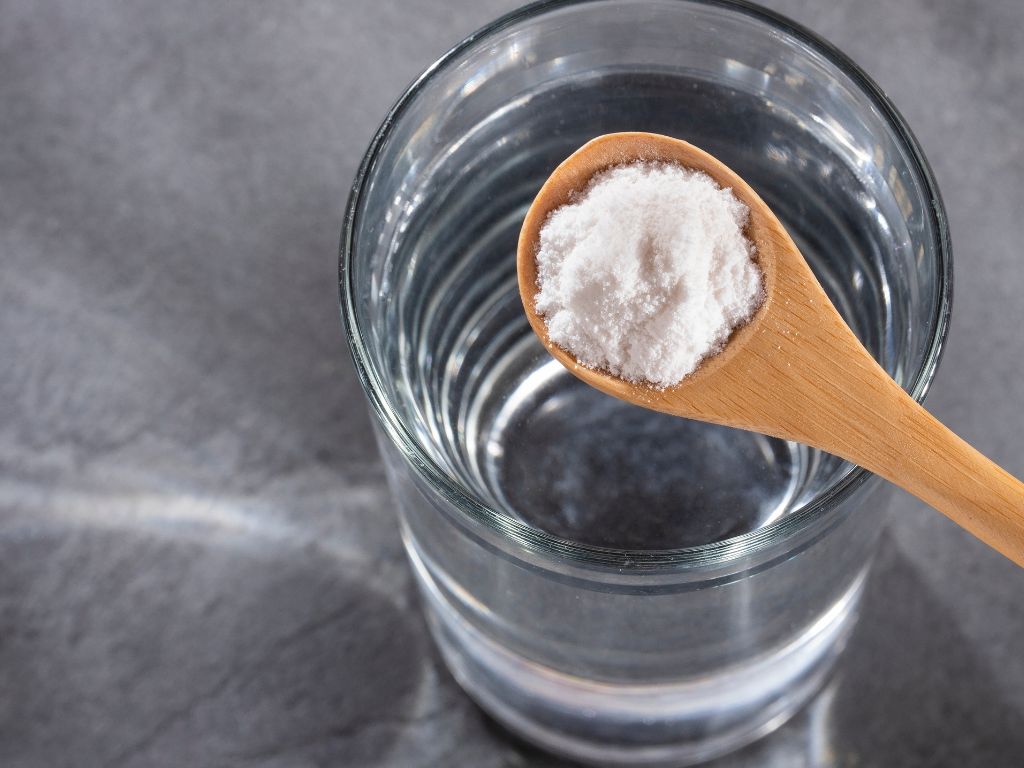
Interesting facts about baking soda
- Baking soda was first used in cooking as early as the 1840s, long before it became a cosmetic ingredient.
- NASA included baking soda on space missions for its ability to neutralise acidic gases in the cabin air.
- Some natural toothpaste brands still use it as a main ingredient because of its whitening effect.
- Baking soda and vinegar are a classic natural cleaning combination thanks to their fizzing chemical reaction.
- It is commonly used to deodorise shoes, wardrobes and fridges – all thanks to its odour-absorbing qualities.
- In traditional folk customs, baking soda was often added to foot baths to “take away” tiredness and soften the skin.